
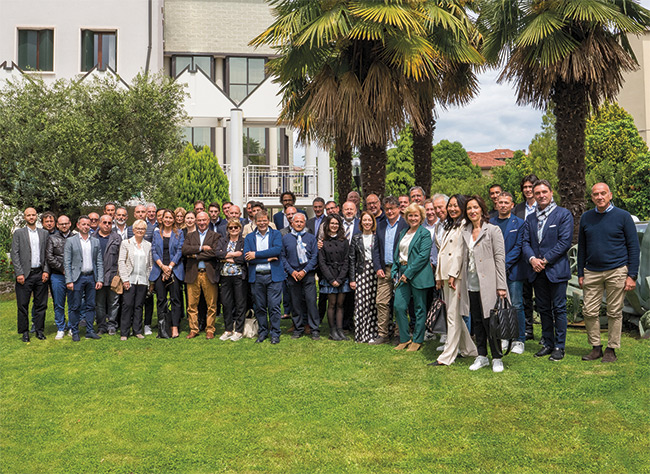
As a leading consortium in the secondary packaging industry, CARPI (Consorto per la Riciclo di Imballaggi Plastici Italiani) plays a vital role in promoting and defending the interests of its member companies. With 33 associated businesses, Gianfranco Picinali, the president, emphasizes the need for changes to achieve community goals. In this article, we will delve into CARPI’s history, mission, initiatives, and goals.
When Was CARPI Founded? What Is Its Mission?
CARPI was born in 2007 as a bet by nine Italian recycling companies. Today, it has grown to 33 member companies, with new entries anticipated in the near future. As the only consortium in Italy to represent the majority of players in the plastic recycling industry’s supply chain, CARPI aims to facilitate and incentivize its members’ daily activities.
The Evolution of Plastic Recycling: Challenges and Opportunities
In recent years, there has been a growing concern about the impact of plastic waste on the environment. The production, consumption, and disposal of plastics have become a pressing issue worldwide. Governments, businesses, and individuals are working together to reduce plastic waste and promote sustainable practices.
What Region Is Most Active in Plastic Recycling?
The Italian region most interested in plastic recycling is not necessarily linked to urban or industrial waste management. Instead, it involves agricultural and private sector industries that want to valorize their own waste materials. These companies recognize the potential for reducing waste and promoting sustainability through the recycling of plastics.
Types of Member Companies: A Diverse Range
CARPI’s member companies comprise 11 recyclers, 8 collectors, 7 producers, and 7 supporters. The range of businesses includes small-scale enterprises, publicly traded structures, and companies with three decades of experience in plastic recycling. Notable members include Poliplast, Plastipol, Ilap, and Nuova Gandiplast Srl.
The Group for Buying Electricity: A Successful Initiative
Launched in 2012, the group d’acquisto di energia elettrica (electricity buying pool) allows member companies to benefit from the lowest available market price for their electricity consumption. By pooling resources, these businesses become more attractive to energy suppliers, leading to economic benefits.
The Plastic Eco Village (PEV) Mark: A Guarantee of Sustainability
The PEV mark is a CARPI-branded label that verifies an individual’s or company’s emissions and climate impact through the Life Cycle Assessment (LCA) method. TUV Italia and BIOS verify the procedures and methodologies used to gather data, ensuring the accuracy and reliability of the results.
PARI: An Autonomous Waste Management System
The PARI system is a self-managed waste management plan created by Aliplast Spa, which aims to make individual packaging products traceable and recyclable. This initiative aligns with Italy’s Environmental Protection Law (Testo Unico Ambientale) and seeks to reduce waste by promoting recycling.
Benefits of Recycling Plastics
Recycling plastics has numerous benefits for the environment, the economy, and society as a whole. Some of the key advantages include:
- Reduced greenhouse gas emissions: Producing new plastics requires energy and resources, which can lead to significant greenhouse gas emissions.
- Conservation of raw materials: Recycling helps to conserve natural resources, such as petroleum and natural gas.
- Waste reduction: Recycling reduces the amount of waste sent to landfills and incinerators.
- Economic benefits: Recycling can create jobs, stimulate economic growth, and reduce the cost of raw materials.
Challenges Facing Plastic Recycling
Despite the many benefits of plastic recycling, there are several challenges facing the industry. Some of these include:
- Lack of infrastructure: Many communities lack adequate waste management facilities, making it difficult to recycle plastics.
- Limited public awareness: Many people are not aware of the importance of recycling plastics or how to do so properly.
- Contamination: Plastics can be contaminated with food residue, dirt, and other materials, which can make them unsuitable for recycling.
- Lack of regulations: Weak regulations and enforcement mechanisms can hinder efforts to improve plastic recycling.
CARPI’s Initiatives and Goals
CARPI aims to address these challenges through a range of initiatives and goals. Some of the key objectives include:
- Promoting sustainable practices: CARPI encourages its member companies to adopt sustainable practices, such as reducing energy consumption and waste.
- Increasing public awareness: CARPI works to raise public awareness about the importance of plastic recycling and how to do so properly.
- Improving infrastructure: CARPI advocates for the development of adequate waste management facilities in communities across Italy.
- Enhancing regulations: CARPI seeks to strengthen regulations and enforcement mechanisms to support the growth of the plastic recycling industry.
What Do You Want from a Regulatory Perspective?
CARPI advocates for increased liberalization of the secondary packaging industry. The current system, where only one entity has control over packaging production, must change to meet community targets for plastic waste recovery.
In conclusion, CARPI plays a vital role in promoting sustainable practices and advocating for regulatory changes in the Italian plastic recycling industry. Its initiatives and goals align with the needs of its member companies and contribute to a more environmentally friendly future.
Frequently Asked Questions
-
What is the main goal of CARPI?
CARPI aims to promote and defend the interests of its member companies, facilitating and incentivizing their daily activities in the secondary packaging industry. -
Why did CARPI launch the group d’acquisto di energia elettrica (electricity buying pool)?
The initiative allows member companies to benefit from the lowest available market price for their electricity consumption by pooling resources and becoming more attractive to energy suppliers. -
What is the significance of the Plastic Eco Village (PEV) mark?
The PEV label verifies an individual’s or company’s emissions and climate impact through LCA, ensuring accuracy and reliability. -
How does PARI work?
PARI creates a self-managed waste management plan, making individual packaging products traceable and recyclable. -
What changes do you advocate for in the regulatory landscape?
CARPI advocates for increased liberalization of the secondary packaging industry to meet community targets for plastic waste recovery. -
Can you tell us more about CARPI’s membership?
CARPI has 33 member companies, including 11 recyclers, 8 collectors, 7 producers, and 7 supporters. -
What is the most active region in plastic recycling?
The Italian region most interested in plastic recycling is not necessarily linked to urban or industrial waste management, but rather involves agricultural and private sector industries that want to valorize their own waste materials.
- How did CARPI get started?
CARPI was founded in 2007 as a bet by nine Italian recycling companies.


