
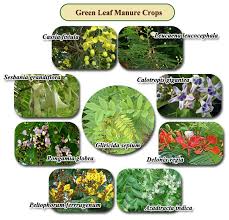
Composting is a natural and easy way to improve soil fertility, structure, and overall health. It involves planting certain plants that are then interranged in the ground when they reach maturity. This technique not only adds organic matter but also increases nutrient availability.
What is Composting?
Composting is the process of decomposing organic materials into a stable, fertile soil amendment. This natural process involves microorganisms breaking down plant and animal residues, such as leaves, grass clippings, and manure, into a humus-rich material that can be used to improve soil structure, fertility, and overall health.
Choosing the Right Plants for Composting
There are three main families of plants used for composting: legumes, cruciferous vegetables, and grasses. We’ll explore each family’s best options below.
Legume Composters
- Alfalfa
- Clover
- Beans (bush and pole)
- Peas
- Lentils
- Chickpeas
Alfalfa is an excellent choice for composting in cold climates. It can tolerate -12°C temperatures, making it a great option for areas with harsh winters.
Cruciferous Composters
- Broccoli
- Cauliflower
- Cabbage
- Kale
- Mustard Greens
- Radishes
These plants produce rapid growth and help absorb insoluble phosphorus in the soil. Their deep taproots also aid in maintaining soil structure.
Grass Composters
- Oats
- Barley
- Rye
- Wheat
- Fescue Grass
Grasses are often paired with legumes, as they both benefit from each other’s growth. Grasses help stabilize the soil, while legumes provide nitrogen.
Other Composting Options
- Grains like oats and barley can be composted for a quick nutrient boost.
- Sunflowers and nasturtiums have high levels of beneficial microbes in their roots.
- Feasilca (a type of radish) is another option to add some extra nutrients.
When to Practice Composting?
Composting can be done at various times throughout the year, depending on your location and climate. Generally, it’s best to plant composters during the spring or fall when the weather is mild.
However, if you live in an area with harsh winters, consider planting composters during the winter months for a head start on the growing season.
How to Compost?
Here are the basic steps:
- Prepare the soil: Before planting composters, ensure your soil has good drainage and is free of debris.
- Plant the composters: Plant the chosen plants according to their specific requirements (e.g., legumes need about 6 inches of space).
- Water and maintain: Keep the soil consistently moist but not waterlogged.
- Sow seeds: After harvesting, add new seeds to the area for continuous growth.
Timing is Everything
- Plant composters in autumn or winter (autumnal and vernal) for a strong root system.
- Sow summer crops in spring after composting.
Composting is an excellent method for enriching your soil. By following these guidelines, you can create a thriving ecosystem that benefits both you and the environment.
Frequently Asked Questions
- What plants should I use for composting?
- Can I compost at any time of year?
- How do I care for my composters?
- Will composting improve soil quality?
Here are some answers to common questions:
- The best plants for composting vary depending on your climate and region.
- Composting can be done throughout the year, but it’s ideal during spring and fall when temperatures are mild.
- To care for your composters, ensure they receive consistent moisture and adequate sunlight.
- Composting indeed improves soil quality by adding organic matter, increasing nutrient availability, and enhancing overall fertility.
Benefits of Composting
Composting offers numerous benefits for gardeners, farmers, and the environment. Some of these benefits include:
- Improved soil structure: Compost adds organic matter, which helps improve soil drainage, aeration, and water-holding capacity.
- Increased nutrient availability: Compost provides nutrients to plants, reducing the need for synthetic fertilizers.
- Reduced greenhouse gas emissions: Composting reduces the need for chemical-based fertilizers and pesticides, leading to lower carbon emissions.
Conclusion
Composting is a simple yet effective technique for improving soil fertility, structure, and overall health. By choosing the right plants and following basic steps, gardeners can create a thriving ecosystem that benefits both themselves and the environment. Whether you’re looking to improve your garden’s productivity or reduce your environmental impact, composting is an excellent method worth exploring.


