
As the seasons change and the weather warms up, many gardeners start thinking about planting their first crop of the year. But have you ever wondered what makes potatoes such a wonderful choice for gardening? From ease of cultivation to nutritional value, potatoes are an excellent option for anyone looking to grow their own food.
Understanding Potato Cultivation
Before we dive into the nitty-gritty of potato cultivation, it’s essential to understand that this process doesn’t require special cultural practices. With a few simple guidelines and some TLC, you’ll be enjoying delicious homegrown spuds in no time!
Choosing the Right Time for Planting
The key to successful potato cultivation is timing. In temperate climates, it’s best to plant seed potatoes in early spring or late summer/early fall, about 8-10 weeks before the first frost date. This allows the plants enough time to mature before the winter weather sets in.
In regions with mild winters, you can also plant potatoes in the late winter or early spring, as soon as the soil can be worked. However, it’s crucial to check the local weather forecast and wait until the danger of frost has passed.
Harvesting: The Final Touch
Harvesting potatoes is an art that requires patience and attention to detail. To ensure you’re picking at the right moment, follow these steps:
- Dig at least 30 cm deep to avoid damaging the tubers.
- Use a rake to break up large clods and uniformize the soil.
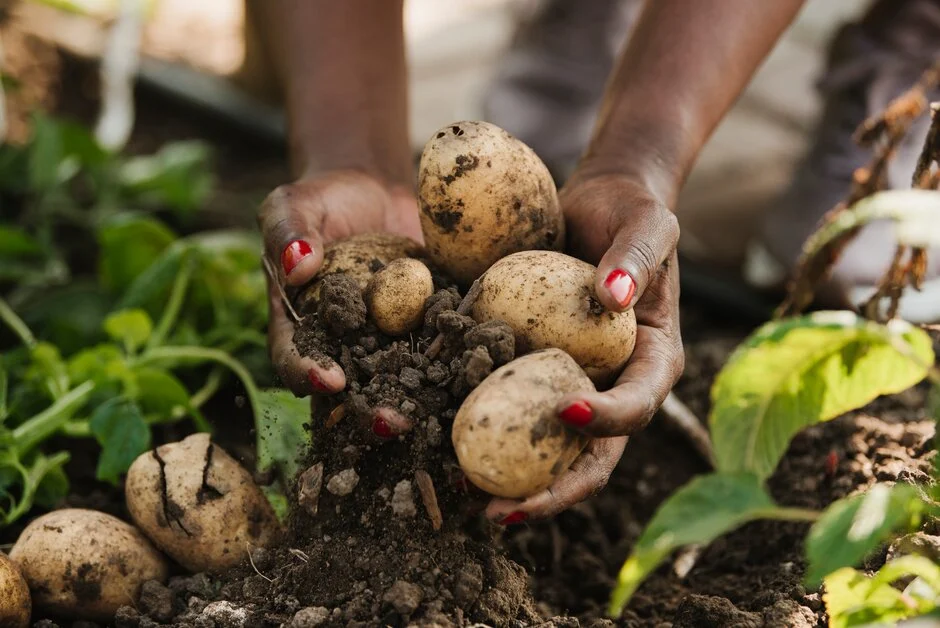
- Check for readiness by gently rubbing a potato between your hands; if the skin remains compactly attached, it’s ready for harvesting!
Fertilization: Feeding Your Potatoes
To keep your potatoes thriving, fertilize them regularly with horse manure or compost. First sprinkle the fertilizer on the ground, then gently bury it beneath the soil. As the winter months approach, the cold weather will refine the fertilizer, ensuring a nutrient-rich harvest.
In addition to organic fertilizers, you can also use chemical fertilizers specifically designed for potatoes. However, be sure to follow the recommended application rates and guidelines to avoid over-fertilization.
Planting Tubers: A Deep Dive
Tubers are planted at a depth of 12-14 cm and in parallel rows spaced at least 60 cm apart. To create holes for planting, use a punteruolo (a type of stick) or a fork to gently loosen the soil. The space between plants facilitates normal maintenance work and harvesting, making it easier to remove weeds and irrigate.
The Importance of Rotation
Potato cultivation requires rotation to prevent soil degradation and reduce the risk of diseases. Avoid planting potatoes on the same ground for more than a year; instead, consider planting beans, corn, or other crops that complement potatoes well.
This is especially important in regions with poor soil quality, as repeated potato cultivation can lead to nutrient depletion and increased disease susceptibility.
Seed Potatoes: The Key to Success
When it comes to seed potatoes, use new seed potatoes instead of relying on stored tubers. This ensures you’ll get the best possible yield and minimize the risk of disease transmission.
New seed potatoes are specifically grown for planting, and they contain fewer diseases and pests than older tubers.
Disease Prevention: Protecting Your Crop
Potatoes are susceptible to morning dew, which can lead to fungal growth. To prevent this problem, sprinkle iron powder before flowering or after flowering. This simple trick will help protect your crop from diseases and ensure a healthy harvest.
In addition to using iron powder, there are other ways to prevent disease in potato crops:
- Use mulch around the plants to reduce soil moisture and prevent disease-spreading fungi.
- Practice good hygiene when handling seed potatoes, such as washing them thoroughly before planting.
- Rotate crops regularly to avoid concentrated disease pressure on individual fields.
Pruning: The Art of Giving Back
When seedlings start growing and reach 30 cm in height, prune them by gathering some soil around the stem. This practice provides greater stability for the plant, allowing potatoes to grow underground rather than above ground. It’s a simple technique that makes all the difference!
Pruning also helps prevent excessive leaf growth, which can lead to competition between plants for water and nutrients.
Soil Preparation: Preparing the Ground
Before planting potatoes, prepare the soil by loosening it with a fork or spade to a depth of 30-40 cm. Add organic matter such as compost or well-rotted manure to improve soil fertility and structure.
In regions with poor drainage, consider adding lime or other amendments to adjust the pH levels. Potatoes prefer slightly acidic soils (pH 4.5-7), but can tolerate a range of pH values.
Irrigation: Keeping Your Crop Watered
Potatoes require consistent moisture levels during the growing season, especially when tubers are forming. Use drip irrigation or soaker hoses to deliver water directly to the roots, reducing evaporation and runoff.
Avoid overwatering, as this can lead to rot and other diseases. Check soil moisture regularly by inserting a finger into the soil; if it feels dry, water lightly before the plants resume growth.
Pest Control: Protecting Your Crop
Potatoes are susceptible to pests such as aphids, wireworms, and slugs. Use organic pest control methods whenever possible, including:
- Hand-picking or netting individual pests
- Applying neem oil or other natural pesticides
- Using traps or sticky tapes
Avoid using chemical pesticides unless absolutely necessary, as they can harm beneficial insects and contaminate soil and water.
Conclusion
Growing potatoes is a rewarding experience that requires attention to detail and a little bit of TLC. By following these simple guidelines and tips, you’ll be enjoying delicious homegrown spuds in no time!
With the right techniques and materials, potato cultivation can become an enjoyable hobby or even a small-scale business. Whether you’re a seasoned gardener or just starting out, growing potatoes is a great way to enjoy fresh produce while developing your skills.
Frequently Asked Questions (FAQs)
- Q: What is the best way to store seed potatoes?
A: Store seed potatoes in a cool, dark place with good ventilation to prevent moisture buildup. - Q: How often should I fertilize my potato plants?
A: Fertilize your potato plants every 4-6 weeks during the growing season to promote healthy growth and development. - Q: What is the ideal spacing for planting potatoes?
A: Plant potatoes in parallel rows spaced at least 60 cm apart to facilitate normal maintenance work and harvesting. - Q: Can I grow potatoes in containers?
A: Yes, you can grow potatoes in containers! Simply use a sack filled with soil and compost, and space the tubers along the row at least 20-30 cm apart. - Q: How do I prevent diseases in my potato crop?
A: Use iron powder before flowering or after flowering to protect your crop from diseases caused by morning dew. - Q: Can I use other types of fertilizer for potatoes?
A: Yes, you can use other types of fertilizer for potatoes, such as compost tea or fish emulsion, but always follow the recommended application rates and guidelines. - Q: How long does it take for potatoes to mature?
A: Potatoes typically take 10-14 weeks to mature after planting, depending on weather conditions and variety. - Q: Can I grow multiple types of potatoes together?
A: Yes, you can grow multiple types of potatoes together! Just make sure to plant them in separate rows or containers to prevent disease transmission.
Happy gardening!


