
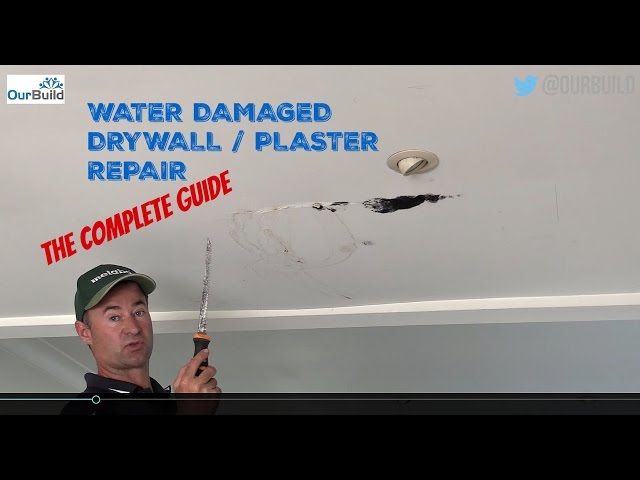
Drywall is a versatile and widely used material in construction, providing excellent insulation and soundproofing properties. However, it can be prone to damage from various sources, such as accidental punctures or sharp objects. When this happens, repairing the damaged area is essential to maintain the integrity and aesthetic appeal of your walls.
Understanding the Importance of Drywall Repair
Drywall is an essential component of modern construction, used in both residential and commercial buildings. Its ability to provide a smooth surface, while also offering excellent insulation properties, makes it a popular choice among architects, builders, and homeowners. However, its delicate nature can make it vulnerable to damage from various sources.
Types of Drywall Damage
The most common type of drywall damage is a small hole or puncture caused by an object being accidentally pressed into the wall. This can be easily repaired using various materials and techniques. However, more extensive damage, such as large holes or cracks, may require more complex repair methods.
Some common types of drywall damage include:
- Punctures: small holes caused by sharp objects, such as nails or screws
- Cracks: long, linear gaps in the wall that can be caused by a variety of factors, including settlement issues, water damage, or physical stress
- Holes: larger openings in the wall that can be caused by accidents, construction errors, or other unforeseen events
Materials Needed for Drywall Repair
Before starting the repair process, it’s essential to gather the necessary materials. These include:
- Nail tape: a specialized tape designed specifically for drywall repairs
- Joint compound (spackling): used to fill gaps and holes
- Sandpaper: smooth out the repaired area
- Paint: match the original color and texture of the wall
- Drywall screws: used to secure new drywall panels in place
Repairing Small Holes
For minor damages, such as small holes or punctures, you can use a simple repair method:
- Clean the area around the hole with a vacuum cleaner to remove any debris.
- Cut a piece of drywall tape to fit over the hole.
- Apply joint compound over the tape and press it firmly onto the surrounding drywall.
- Allow the compound to dry completely before sanding it smooth.
Using Nails Tape for Drywall Repair
Nail tape is an essential tool for drywall repairs, providing a strong bond between the damaged area and the surrounding drywall:
- Cut a piece of nail tape to fit over the hole.
- Apply joint compound over the tape and press it firmly onto the surrounding drywall.
- Allow the compound to dry completely before sanding it smooth.
Using Fiberglass Mesh for Large Holes
For more extensive damage, such as large holes or cracks, you may need to use fiberglass mesh as a reinforcement:
- Cut a piece of fiberglass mesh to fit over the hole.
- Apply joint compound over the mesh and press it firmly onto the surrounding drywall.
- Allow the compound to dry completely before sanding it smooth.
Tips for Successful Drywall Repair
To ensure successful drywall repair, follow these additional tips:
- Use a level: ensure that your repairs are straight and even by using a level
- Work from the center outwards: start repairing from the center of the damaged area and work your way outwards to avoid creating more damage
- Use a putty knife: for spreading joint compound smoothly and evenly
- Avoid over-tightening screws: be careful not to overtighten screws, which can cause further damage
Common Mistakes to Avoid
When it comes to drywall repair, there are several common mistakes to avoid:
- Over-repairing: avoiding unnecessary repairs by identifying the root cause of the problem
- Not using proper joint compound: using a compound that is not designed for drywall repair can lead to poor results and further damage
- Failing to sand smooth: neglecting to sand the repaired area smooth can leave imperfections and create an uneven surface
Conclusion
Drywall repair is a relatively simple process that can be accomplished with the right materials and techniques. By following these steps, you can successfully repair small holes or punctures in your walls, ensuring they remain safe and structurally sound.


