
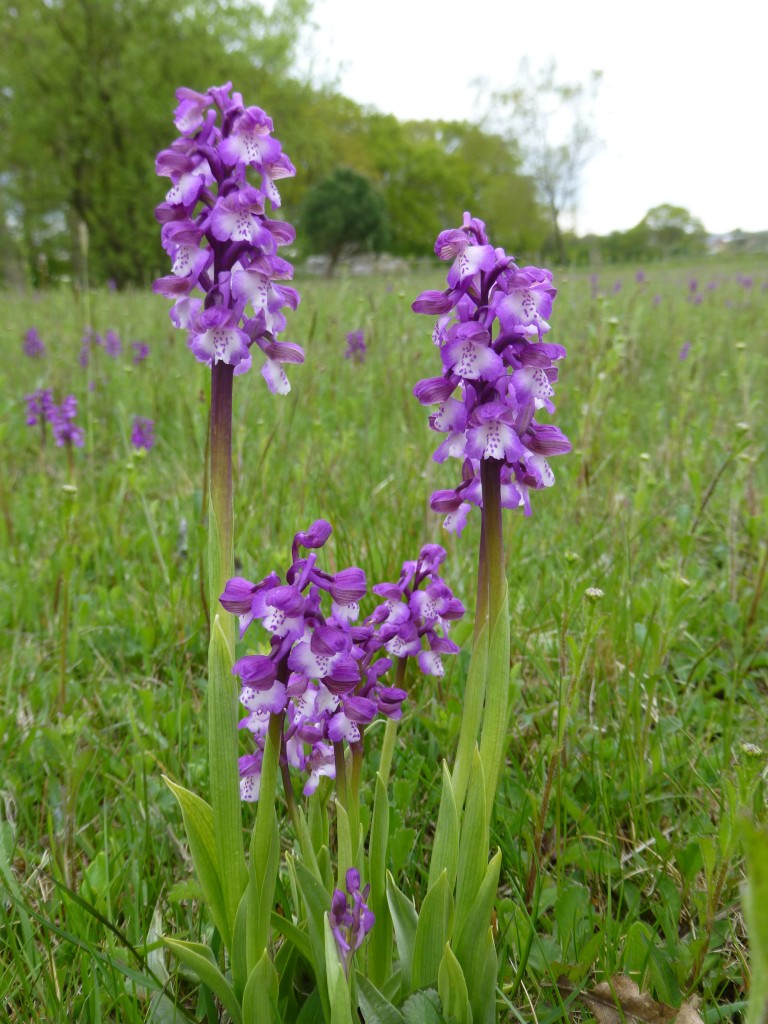
As the mind conjures up images of vibrant, showy flowers, the term “orchid” can evoke a sense of wonder and awe. However, with over 20,000 species of plants bearing this name, it’s essential to understand the nuances that distinguish between different types of orchids.
Distinguishing Between Rustic and Exotic Orchids
To simplify the vast world of orchids, we can categorize them into two main groups: rustic and exotic. Exotic orchids are native to tropical regions and are almost exclusively epiphytes, meaning they grow on other plants or surfaces, such as trees, shrubs, or even other organisms like mosses and lichens.
On the other hand, rustic orchids are terrestrial plants with roots that grow underground, often forming bulbs, tubers, or rhizomes. These plants can be found in various habitats, including prairies, forests, and grasslands.
The Wild Orchid: An Epiphytic Marvel
Epiphytes, like the wild orchid, have adapted to thrive on other surfaces. Their roots develop into specialized structures that anchor them to their host plant, allowing them to absorb nutrients and water from the surrounding environment.
Wild orchids are a true marvel of nature, with vibrant flowers that come in an astonishing array of colors. However, it’s essential to note that not all wild orchids are epiphytes; some are geophytes, meaning they have underground stems and roots that store energy for the growing season.
Rustic Orchids: A Hardy and Resilient Group
Rustic orchids, on the other hand, are typically found in temperate climates and are adapted to survive in a variety of environments. These plants often grow in prairies, meadows, and forests, where they can be found blooming in the spring or summer.
Wild orchid species in Italy include 190 distinct varieties, with only three being epiphytes. The remaining 187 species are geophytes, with roots that store energy for the growing season.
Cultivating the Wild Orchid
Caring for wild orchids requires a deep understanding of their unique needs and habits. Since these plants can be found in various habitats, it’s crucial to choose the right soil, light exposure, and location for cultivation.
Wild orchid species have different requirements depending on whether they are epiphytes or geophytes. Exotic orchids, like those found in tropical regions, require protection from extreme temperatures and humidity. Rustic orchids, on the other hand, can thrive in temperate climates with proper care.
Identifying Wild Orchids in Italy
Italy is home to a diverse range of wild orchid species, including some that are listed as protected under conservation laws. The Parco Nazionale del Gargano and the Parco delle Orobie Bergamasche are just two examples of places where you can find these beautiful plants.
Types of Wild Orchids Found in Italy
Some of the most common types of wild orchids found in Italy include:
- Helleborine (Helleborus spp.): These orchids have nodding, bell-shaped flowers that come in a range of colors.
- Lungwort (Pulmonaria officinalis): This orchid has delicate, heart-shaped flowers that are often purple or blue.
- Early Purple Orchid (Orchis mascula): This orchid has bright purple flowers with distinctive markings on the petals.
Conservation Status of Wild Orchids
Many wild orchid species are threatened by habitat loss and degradation, as well as over-collection for horticultural purposes. Conservation efforts are underway to protect these plants, but it’s essential that we take action to ensure their survival.
Cultivation Methods for Wild Orchids
There are several methods for cultivating wild orchids, including:
- Greenhouse cultivation: This method involves growing the orchid in a controlled environment with high humidity and filtered light.
- Outdoor cultivation: This method involves planting the orchid in a garden or meadow where it can grow naturally.
- Hydroponic cultivation: This method involves growing the orchid using a nutrient-rich solution rather than soil.
Propagation Methods for Wild Orchids
Wild orchids can be propagated using several methods, including:
- Division of the rhizome: This method involves dividing the rhizome into smaller sections and replanting them in new locations.
- Sowing seeds: This method involves sowing seeds from mature flowers in a controlled environment.
- Tissue culture: This method involves taking tissue samples from the orchid and growing them in a laboratory setting.
Frequently Asked Questions
- What is the difference between an epiphyte and a geophyte?
An epiphyte grows on other plants or surfaces, using its roots to absorb nutrients and water from the surrounding environment. A geophyte, on the other hand, has underground stems and roots that store energy for the growing season. - How do I care for an exotic orchid?
Exotic orchids require protection from extreme temperatures and humidity. They need well-draining soil, filtered light, and high humidity to thrive. - Can I cultivate a wild orchid in my garden?
Yes, many rustic orchid species can be cultivated in temperate climates with proper care. However, it’s essential to choose the right species for your region and provide the necessary conditions for growth. - Are all wild orchids protected by law?
Some wild orchid species are listed as protected under conservation laws, while others are not. It’s crucial to check local regulations before collecting or cultivating any wild orchid species. - How can I propagate a wild orchid?
Wild orchids can be propagated through division of the rhizome or tuber, or by sowing seeds in a controlled environment. - What is the best way to identify a wild orchid?
To identify a wild orchid, it’s essential to observe its unique characteristics, such as flower color, shape, and size, as well as its growth habit and habitat. - Can I collect wild orchids in Italy?
Some wild orchid species are protected by law, while others can be collected in certain areas with permission. It’s crucial to check local regulations before collecting any wild orchid species. - How can I care for a wild orchid in cultivation?
To care for a wild orchid in cultivation, provide the necessary conditions for growth, including well-draining soil, filtered light, and high humidity.
Conclusion
The wild orchid is a fascinating and unique plant that has captivated humans for centuries. With its incredible diversity, adaptability, and resilience, it’s no wonder why this plant continues to inspire and delight us.
As we explore the world of wild orchids, it’s essential to remember their delicate balance with nature and the importance of responsible cultivation and conservation practices.
By understanding the unique needs and habits of these plants, we can work together to protect and preserve them for future generations.


