
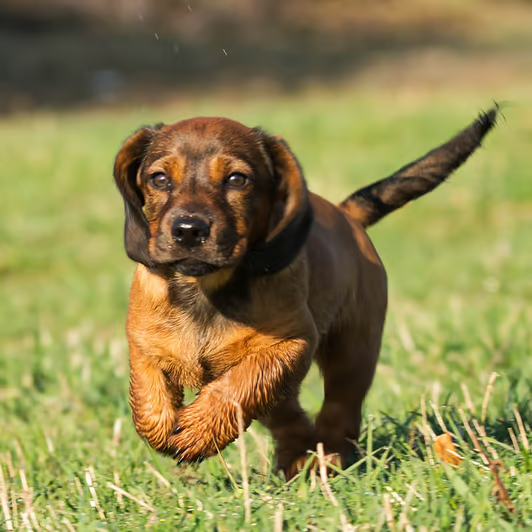
If you’re considering bringing a new furry friend into your family, you may have come across the charming Alpine Dachshund. This breed is known for its unique appearance, loving personality, and impressive hunting skills. In this article, we’ll delve into the history, characteristics, care requirements, and more of this beloved breed.
Origins of the Alpine Dachshund
The term “alpenlaendische” refers to the Alps region in Austria, Germany, and Switzerland. The name “dachsbracke” can be interpreted as either “badger dog” or “dachshund,” which hints at its origins as a hunting breed. The Alpine Dachshund has an ancient history, with depictions of similar dogs found in Central Europe dating back to the Roman era.
The Alpine Dachshund’s ancestry dates back to the 16th century, when it was bred to hunt badgers and other burrowing animals in the mountains. Its unique body shape, long legs, and powerful muscles allowed it to navigate tight spaces and chase prey with ease. Over time, the breed became a staple in Austrian, German, and Swiss hunting culture.
Physical Characteristics
The Alpine Dachshund is a medium-sized dog with a sturdy build and robust muscles. Its distinctive feature is its long, narrow body shape, which allows it to navigate tight spaces and chase prey with ease. The breed comes in two primary colors: red and black. Males typically reach an height of 35-42 cm at the shoulder, while females average around 36-37 cm.
The Alpine Dachshund’s short coat requires minimal grooming, but regular nail trimming and ear cleaning are necessary to maintain overall health. Its floppy ears can make it prone to ear infections if not properly cared for.
Personality and Temperament
The Alpine Dachshund is known for its bold, courageous personality, making it a great companion for outdoor enthusiasts. This breed thrives on physical activity and mental stimulation, which can sometimes manifest as stubbornness if not properly trained. Despite this, the Alpine Dachshund forms strong bonds with family members and makes an excellent addition to households with children.
The Alpine Dachshund is also known for its loyalty and affection towards its owners. It’s not uncommon for these dogs to become Velcro-like, following their owners everywhere they go. Early socialization is crucial in developing the breed’s independent nature and preventing territorial behavior.
Health Considerations
As a robust breed, the Alpine Dachshund is generally free from genetic health issues. However, it’s essential to monitor its weight management as excess weight can lead to joint problems. Regular exercise and a balanced diet are crucial for maintaining overall health.
Additionally, the Alpine Dachshund may be prone to certain health conditions, such as:
- Hip dysplasia: A genetic condition that affects the hip joint.
- Patellar luxation: A condition where the kneecap slips out of place.
- Eye problems: The breed’s unique eye shape can make it prone to eye issues like cataracts and progressive retinal atrophy.
Regular veterinary check-ups and a healthy lifestyle can help prevent or manage these conditions.
Grooming
The Alpine Dachshund’s short coat requires minimal grooming. A weekly brushing session with a soft-bristled brush is sufficient to remove dead hair and distribute skin oils. Regular nail trimming, ear cleaning, and dental care are also essential for maintaining this breed’s overall health.
In addition to regular grooming, the Alpine Dachshund may require occasional baths to keep its coat clean. However, it’s essential to use a mild dog shampoo and avoid over-bathing, which can strip the coat of its natural oils.
Dietary Needs
Feeding your Alpine Dachshund an equilibrated diet will help prevent obesity-related issues. Opt for high-quality commercial dog food that provides adequate protein, fat, and carbohydrates. Avoid overfeeding, as excessive weight can compromise joint health.
A balanced diet should also include essential nutrients like:
- Protein: Provides muscle growth and repair.
- Fat: Supplies energy and helps maintain skin and coat health.
- Carbohydrates: Provide energy for the dog’s daily activities.
- Fiber: Helps maintain digestive health.
Training and Socialization
Positive reinforcement training methods are recommended to develop the Alpine Dachshund’s independent nature. Early socialization is key to preventing territorial behavior and ensuring a harmonious household dynamic.
The breed responds well to consistent training, but it’s essential to be patient and gentle when teaching new commands. Positive reinforcement techniques like clicker training can help build trust and strengthen the bond between dog and owner.
Living with Children
The Alpine Dachshund makes an excellent family pet, especially for families with older children. Its calm demeanor and loving nature make it an ideal companion for kids of all ages.
However, as with any breed, it’s essential to supervise interactions between dogs and young children to ensure everyone’s safety. The Alpine Dachshund is generally gentle and patient, but its bold personality may not be suitable for very young children.
Comparing the Alpine Dachshund to Other Breeds
When compared to other breeds like the Slovensky Kopov, both share similar characteristics but differ in their physical appearance. The Slovensky Kopov is a larger breed with a more elongated body shape and distinctive coat patterns.
The Czechoslovakian Vlcak (also known as the Carpathian Wolf Dog) is another breed that shares similarities with the Alpine Dachshund. Both breeds have long legs, powerful muscles, and a robust build. However, the Vlcak has a longer, more muscular body shape, while the Alpine Dachshund’s coat is shorter and smoother.
Finding Reputable Breeders
Locating reputable breeders of Alpine Dachshunds can be challenging due to limited availability. Be sure to research local breeders who prioritize the health, temperament, and well-being of their dogs. You can also consider contacting breed clubs or organizations for guidance on finding reliable breeders.
When searching for a reputable breeder, look for:
- Health clearances: Ensure the breeder has performed necessary health tests on their breeding stock.
- Temperament testing: A responsible breeder should prioritize temperament and behavior over physical characteristics.
- Transparency: A reputable breeder will provide detailed information about their breeding program and health guarantees.
FAQs
- How much does an Alpine Dachshund cost?
The average price for a puppy is between €600 and €800. - What are the typical grooming needs of an Alpine Dachshund?
Regular brushing sessions (weekly) and nail trimming are necessary to maintain overall health. - Can Alpine Dachshunds be left alone for long periods?
While they can adapt, Alpine Dachshunds require regular exercise and mental stimulation to prevent boredom and destructive behavior. - Are Alpine Dachshunds suitable for apartment living?
They thrive on physical activity and may not be the best fit for apartments without access to outdoor spaces. - How long do Alpine Dachshunds live?
Their average lifespan is around 12 years, depending on factors like diet, exercise, and health conditions.
By understanding these characteristics, you can make an informed decision about whether the Alpine Dachshund is the right breed for your family. With proper care, attention, and training, this beloved breed will bring joy and companionship to your life for many years to come.


