
Radon is a colorless, odorless, and tasteless gas that can be present in the air, soil, and water. While it’s not immediately visible, radon can have a significant impact on our health if we’re exposed to it for an extended period.
What is Radon?
Radon is a naturally occurring radioactive gas that comes from the decay of uranium in rocks, soil, and water. It’s similar to other noble gases like neon, krypton, and xenon. When radon is released into the air, it can accumulate in buildings, homes, and underground spaces.
History of Radon’s Health Effects
Radon has been studied for its effects on human health since the 16th century. In the 16th century, Swiss alchemist and astrologer Paracelso noticed an increased mortality rate among miners in Schneeberg, a region in modern-day Saxony. As mining activities intensified, so did the number of deaths from lung diseases.
The Early Warning Systems for Radon Exposure
In recent years, researchers have been working on developing early warning systems that can detect changes in soil and air radon concentrations, which could potentially aid in predicting earthquakes or other natural disasters. These systems use sensors to measure the fluctuations in radon levels and provide warnings before a disaster occurs.
Studying Radon’s Effects on Human Health
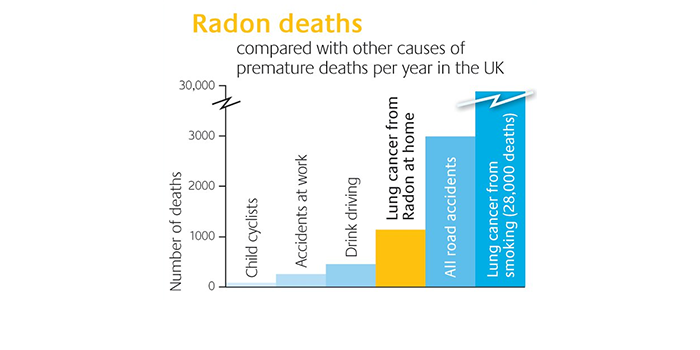
Over the years, numerous studies have investigated the health effects of radon exposure. Research has shown that prolonged inhalation of radon can increase the risk of developing lung cancer. In fact, according to the World Health Organization (WHO), radon is the second leading cause of lung cancer after smoking.
The International Agency for Research on Cancer (IARC) Classifies Radon as a Carcinogen
In 2013, the IARC classified radon as a Group 1 carcinogen, which means it’s considered to be “carcinogenic to humans.” This classification emphasizes the significant health risk posed by radon exposure.
Health Effects of Radon Exposure
Radon exposure can have serious health consequences. The International Agency for Research on Cancer (IARC) has classified radon as a Group 1 carcinogen, which means it’s considered to be “carcinogenic to humans.” This classification emphasizes the significant health risk posed by radon exposure.
Long-term exposure to radon can increase the risk of developing lung cancer and other respiratory diseases. The effects of radon exposure are often seen in older adults, as their bodies may take longer to repair damage caused by prolonged exposure to radon.
Reducing Radon Exposure
Reducing your exposure to radon involves several steps:
- Conduct a Home Test: If you’re concerned about radon levels in your home, consider conducting a test.
- Install a Radon-Resistant Barrier: A radon-resistant barrier can help prevent radon from entering your home.
- Use a Radon-Specific Filter System: A radon-specific filter system can help remove radon particles from the air.
Regions with High Radon Levels
According to earlier data from the early 1990s, regions with elevated radon levels include:
- Lombardy
- Friuli-Venezia Giulia
- Lazio
- Campania
These regions had radon levels between 120-100 Bq/m3. However, more recent studies have shown variations in radon concentrations across the country.
Measuring Radon Levels
Radon concentration can fluctuate throughout the day and is heavily influenced by factors like soil saturation after rain, snow, wind speed, and earthquakes. As a result, it’s challenging to conduct absolute measurements. Commercial devices are available to measure radon levels in homes or open spaces.
Some popular options include:
- DIY kits that allow for occasional readings
- Digital display devices with long-term sensors
Keep in mind that these devices can be expensive, with prices ranging from 240 Euros.
Using Radon Measurement Devices
While useful tools for detecting radon levels, these devices have limitations due to the fluctuations in radon concentration. To get accurate readings, you may need to purchase new equipment regularly.
We’ve discussed one device option that uses a digital display and is easy to use: a Monitor of Gas Radon levels that features sensitive sensors for detecting radon fluctuations over time. This monitor displays LCD information and costs around 240 Euros.
Will These Devices Help Predict Earthquakes?
Some devices can potentially aid in predicting earthquakes by measuring changes in soil and air radon concentrations, as mentioned in our article about the early warning systems of Italy’s National Research Council (CNR).
In conclusion:
Radon is a hidden danger that affects our health if exposed for too long. We can’t see or hear it, making it challenging to take preventative measures.
Understanding what radon is, why it poses a risk, and how it affects us will help you navigate the complexities of this topic.
Frequently Asked Questions (FAQs)
- What are the health effects of exposure to radon?
Radon exposure can increase the risk of developing lung cancer.
- How does radon accumulate in homes and buildings?
Radon accumulates in homes and buildings through natural sources, such as rocks and soil, or through ventilation systems.
- What regions in Italy have high levels of radon?
According to earlier data from the early 1990s, regions with elevated radon levels include Lombardy, Friuli-Venezia Giulia, Lazio, and Campania.
- Can I use a DIY kit to measure radon levels?
DIY kits can provide occasional readings, but they may not be as accurate or reliable as commercial devices specifically designed for measuring radon concentrations.
- What are the health risks associated with long-term exposure to radon?
Long-term exposure to radon can increase the risk of developing lung cancer and other respiratory diseases.
- How can I reduce my exposure to radon in my home or building?
Reducing your exposure involves installing a radon-resistant barrier, ensuring good ventilation, and using a radon-specific filter system.
- Are there any national guidelines or regulations regarding radon monitoring and reduction in Italy?
Since 2018, our country will need to adopt European Union regulations, including Directive 59/2013, which sets guidelines for monitoring and reducing radon levels.
- Can I purchase a device that can measure radon levels at home?
Yes, various devices are available for measuring radon levels in homes or open spaces, but it’s essential to choose a reliable and calibrated device.
- Are there any health risks associated with radon exposure in children?
Children are more susceptible to the effects of radon exposure due to their developing bodies. Exposure to radon can increase the risk of developing lung cancer and other respiratory diseases in children.
- Can I use a DIY kit to test my well water for radon?
Yes, some DIY kits are available that can detect radon levels in well water. However, it’s essential to choose a reliable and calibrated device to ensure accurate readings.
By understanding the risks associated with radon exposure and taking steps to reduce your exposure, you can protect yourself and your loved ones from this hidden danger.


