
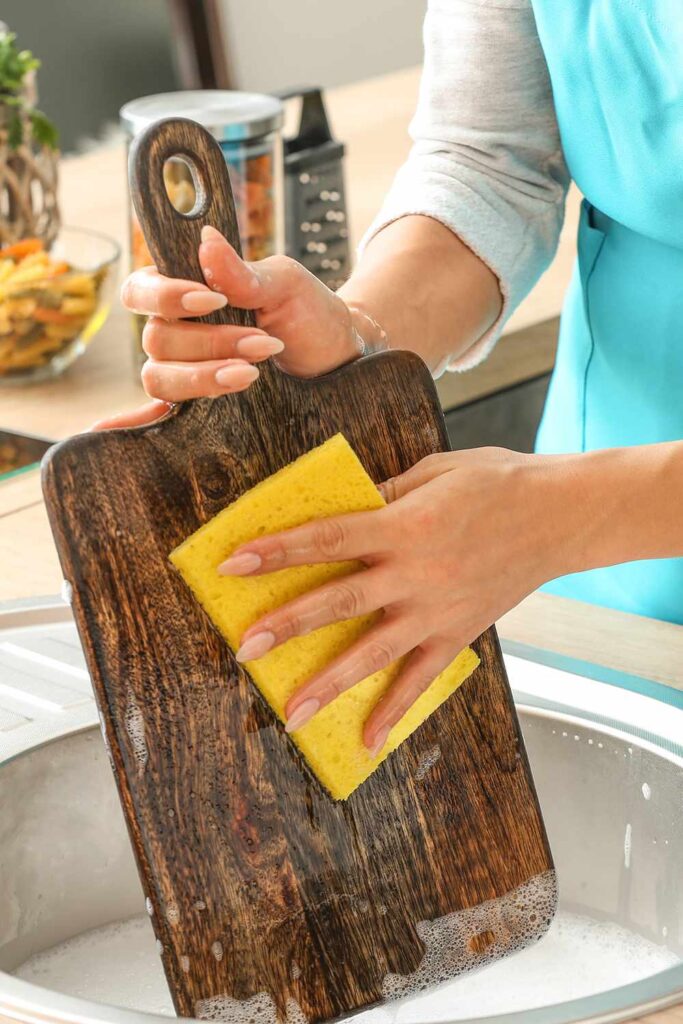
Why Clean Your Cutting Board?
A dirty cutting board can be a breeding ground for bacteria and other microorganisms. If not properly cleaned, it can lead to food poisoning and other health issues. In this article, we will discuss the importance of cleaning your cutting board and provide tips on how to do it effectively.
Why Regular Cleaning is Necessary
Regular cleaning of your cutting board is crucial to maintain its hygiene and prevent the growth of bacteria and other microorganisms. A dirty cutting board can harbor a variety of contaminants, including:
- Bacteria: such as Salmonella, E. coli, and Campylobacter
- Fungi: such as mold and mildew
- Spores: which can cause food poisoning
The Consequences of Not Cleaning Your Cutting Board
Not cleaning your cutting board regularly can lead to serious health issues. Some of the consequences include:
- Food poisoning: Consuming contaminated food can lead to severe illnesses, including diarrhea, vomiting, and stomach cramps.
- Bacterial growth: Allowing bacteria to grow on your cutting board can lead to a range of health problems, including respiratory infections and sepsis.
- Cross-contamination: Failing to clean your cutting board regularly can lead to cross-contamination, where bacteria from raw meat, poultry, or seafood spread to other foods.
How to Clean Your Cutting Board
The type of cutting board you have will determine the best cleaning method. Here are some tips for different types of cutting boards:
Wooden Cutting Boards
Wooden cutting boards are prone to absorbing water, which can lead to warping and cracking. To clean a wooden cutting board, follow these steps:
- Sprinkle salt on the surface
- Squeeze a slice of lemon over the salt
- Use a soft cloth to wipe away any debris
This method is effective in removing food residue and bacteria from the wood.
Plastic Cutting Boards
Plastic cutting boards are generally easy to clean, but they can harbor bacteria if not properly cleaned. To clean a plastic cutting board, follow these steps:
- Mix baking soda and water to create a paste
- Apply the paste to the surface of the cutting board
- Scrub the area with a soft-bristled brush
- Rinse with warm water
This method is effective in removing food residue and bacteria from the plastic.
Stainless Steel Cutting Boards
Stainless steel cutting boards are resistant to scratches and corrosion, making them a popular choice for many chefs. To clean a stainless steel cutting board, follow these steps:
- Mix baking soda and water to create a paste
- Apply the paste to the surface of the cutting board
- Scrub the area with a soft-bristled brush
- Rinse with warm water
This method is effective in removing food residue and bacteria from the stainless steel.
Teflon Cutting Boards
Teflon cutting boards are non-stick surfaces that are resistant to scratches and corrosion. To clean a Teflon cutting board, follow these steps:
- Mix baking soda and water to create a paste
- Apply the paste to the surface of the cutting board
- Scrub the area with a soft-bristled brush
- Rinse with warm water
This method is effective in removing food residue and bacteria from the Teflon.
Tips for Cleaning Your Cutting Board
Here are some additional tips to keep your cutting board clean:
- Wash your hands before and after handling your cutting board.
- Dry your cutting board thoroughly after cleaning to prevent bacterial growth.
- Avoid using abrasive cleaners or scrubbers, which can damage the surface of your cutting board.
- Sanitize your cutting board regularly by soaking it in hot water and dish soap.
Advanced Cleaning Techniques
For tougher stains or bacteria buildup, consider trying these advanced cleaning techniques:
- Vinegar soak: Soak your cutting board in a solution of equal parts water and vinegar for several hours to loosen tough stains.
- Baking soda scrub: Create a paste with baking soda and water, then scrub the area with a soft-bristled brush before rinsing with warm water.
- Hydrogen peroxide treatment: Apply hydrogen peroxide directly to the affected area, let it sit for 10-15 minutes, then rinse with warm water.
Maintaining Your Cutting Board
Regular maintenance is key to keeping your cutting board clean and hygienic. Here are some tips:
- Regularly wipe down your cutting board after use.
- Sanitize your cutting board regularly by soaking it in hot water and dish soap.
- Dry your cutting board thoroughly after cleaning to prevent bacterial growth.
By following these tips, you can keep your cutting board clean and hygienic, reducing the risk of food poisoning and other health issues.


