
As a seasoned gardener, you’re likely no stranger to the joys of growing your own beans. But did you know that with the right techniques and care, you can enjoy a bountiful harvest of these delicious legumes? In this article, we’ll explore everything you need to know about growing beans, from choosing the best variety to common mistakes to watch out for.
Bean History and Origin
Beans are an ancient crop, originating in Asia over 7,000 years ago. They’re a member of the legume family, which also includes lentils, peas, and peanuts. Today, beans are grown worldwide, with various species prized for their nutritional value, flavor, and versatility.
Choosing the Right Variety
With so many bean varieties to choose from, selecting the right one can be overwhelming. Consider factors like climate, soil type, and desired harvest period when making your decision. Some popular varieties include:
- Bush beans: compact, easy-to-grow, and perfect for small spaces
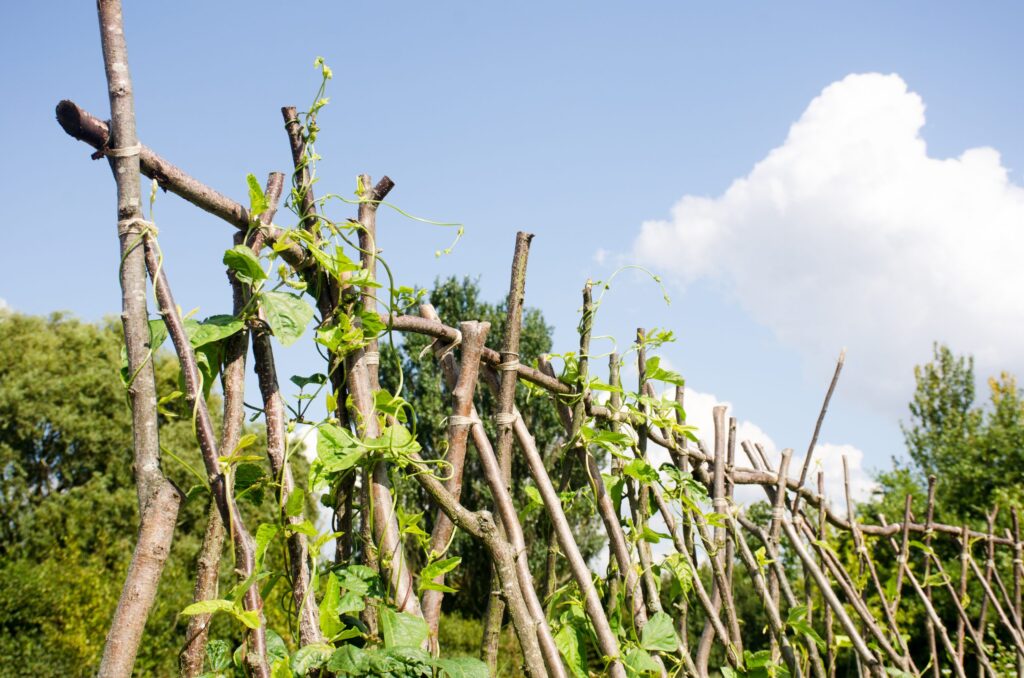
- Pole beans: vining, requiring a trellis or other support system
- Snap beans: tender, crunchy pods ideal for snacking and cooking
Preparing the Soil
Before planting, prepare your soil by loosening it to a depth of 8-10 inches. Add organic matter like compost or manure to improve drainage and fertility.
Sowing Seeds
Beans are typically sown in early spring or late summer/early fall, depending on your climate. Follow these guidelines:
- Temperature: beans prefer temperatures between 60°F (15°C) and 80°F (27°C)
- Moisture: keep the soil consistently moist during germination
- Spacing: plant seeds about 2-3 inches apart, with rows spaced 12-18 inches apart
Caring for Your Bean Plants
As your bean plants grow, provide them with:
- Adequate sunlight (at least 6 hours of direct sunlight per day)
- Regular watering (aim for about 1 inch of water per week)
- Fertilization: side-dress with a balanced fertilizer once a month
- Pest and disease management: keep an eye out for common issues like aphids, powdery mildew, and rust
Common Mistakes to Avoid
Don’t make these common mistakes when growing beans:
- Not providing enough support for climbing varieties
- Overwatering, leading to root rot and other problems
- Underfertilizing, resulting in weak, spindly growth
Harvesting Your Beans
Beans are ready to harvest when the pods are plump and tender. Check your specific variety’s recommended harvesting time:
- Bush beans: typically 50-60 days after sowing
- Pole beans: usually 60-70 days after sowing
- Snap beans: often picked before they reach full maturity
Using Beans as a Natural Fertilizer
Beans are an excellent natural fertilizer, providing nutrients like nitrogen, phosphorus, and potassium. To use them effectively:
- Allow your bean plants to go to seed, then dry the pods completely
- Chop or grind the dried beans into a fine powder
- Mix the powder into your soil before planting
Tips for Growing Beans in Containers
Growing beans in containers can be a great way to add some greenery to your balcony or patio. Here are some tips:
- Choose a container with good drainage and at least 6-8 inches of depth
- Use a high-quality potting mix specifically designed for containers
- Provide adequate support for climbing varieties
Growing beans is a rewarding experience, but it does require some care and attention. By following these guidelines, you’ll be on your way to enjoying a bountiful harvest of delicious, nutritious beans.
Frequently Asked Questions
Here are some answers to common questions about growing beans:
- Q: How often should I water my bean plants?
A: Aim for about 1 inch of water per week, either from rain or irrigation. - Q: What is the best way to support climbing bean varieties?
A: Use a trellis or other support system specifically designed for beans. - Q: Can I grow beans in small spaces, like on my balcony?
A: Yes, choose compact varieties and provide adequate support.
Growing beans can be a fun and rewarding experience. By following these guidelines, you’ll be well on your way to enjoying a bountiful harvest of delicious, nutritious beans.
Additional Tips and Tricks
Here are some additional tips and tricks for growing beans:
- Crop rotation: rotate your bean crop with other vegetables or legumes to maintain soil health and prevent pests.
- Companion planting: plant beans alongside other vegetables like tomatoes, peppers, and cucumbers for improved growth and pest control.
- Mulching: use a layer of organic mulch like straw or bark chips around your plants to retain moisture and suppress weeds.
By following these guidelines and tips, you’ll be well on your way to growing delicious, nutritious beans in your own backyard. Happy gardening!


