
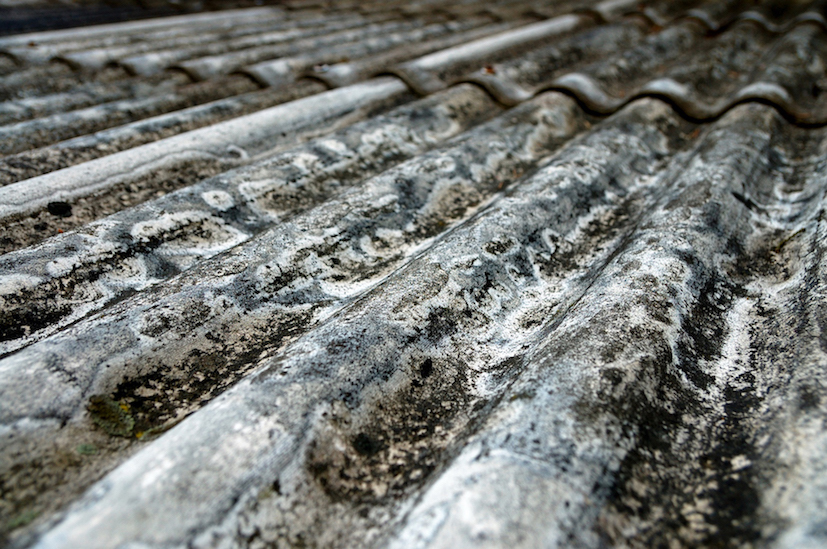
When it comes to dealing with asbestos-covered roofs or ceilings, homeowners often face a daunting task: removing the hazardous material. However, this can be expensive and time-consuming. An alternative solution is encapsulation, which might seem like a cheaper option at first glance.
What is Asbestos Encapsulation?
Asbestos encapsulation involves applying a special coating to the asbestos-covered surface, effectively sealing it from the environment. This method prevents the release of toxic fibers into the air, making it a safer and more economical option for homeowners. By not having to remove the entire surface, encapsulation can save you money on labor costs.
The History of Asbestos Encapsulation
Asbestos encapsulation has been around for decades, but its popularity grew significantly after the 1999 Italian government directive outlining the requirements for asbestos encapsulation. This document aimed to provide a standardized approach to addressing asbestos concerns in buildings while minimizing costs and environmental impact. Since then, many countries have adopted similar regulations and guidelines.
Benefits of Asbestos Encapsulation
While there are some limitations to consider, encapsulation has several benefits:
- Cost-Effective: Encapsulating your asbestos-covered surface can save you money on labor costs compared to removal.
- Safer Environment: By sealing the asbestos, you create a safer environment for yourself and others.
- Increased Property Value: A well-maintained encapsulated surface can increase your property value.
The Process of Asbestos Encapsulation
Before deciding on encapsulation, it’s essential to understand the process involved:
- Preparation: The area around the asbestos-covered surface is cleared, and protective gear is worn by workers.
- Surface Cleaning: A cleaning solution is applied to remove dirt, grime, or other substances that may interfere with the coating.
- Coating Application: The specialized coating is applied according to the manufacturer’s instructions.
- Curing: The coating is allowed to cure and dry before being put into use.
Key Considerations for Asbestos Encapsulation
Before deciding on encapsulation, make sure you understand the following:
- Regulations: In 1999, the Italian government issued Directive No. 20/08/1999, which outlines the requirements for asbestos encapsulation.
- Product Selection: Ensure that the coating used for encapsulation meets the necessary standards and regulations.
- Monitoring and Maintenance: After encapsulation, it’s crucial to monitor the surface regularly to detect any potential issues.
What to Expect After Encapsulation
After the encapsulation process is complete, it’s essential to:
- Monitor the Surface Regularly: Keep an eye out for any signs of damage or deterioration.
- Perform Periodic Inspections: Schedule regular inspections to ensure that the coating remains effective.
Frequently Asked Questions (FAQs)
- Is encapsulation a suitable solution for all asbestos-covered surfaces?
- No, it’s not recommended for surfaces that are already old and damaged.
- Can I perform encapsulation myself?
- It’s not recommended; consult a professional to ensure the job is done correctly.
- What is the typical cost range for encapsulation?
- Prices vary depending on the surface size, complexity, and accessibility.
Alternatives to Asbestos Encapsulation
While encapsulation can be a viable option, there are other alternatives worth considering:
- Removal: In some cases, removing the asbestos entirely may be necessary.
- Sealing: Applying a sealant to the affected area can provide temporary protection until further action is taken.
Conclusion
Asbestos encapsulation offers a cost-effective and safer solution for homeowners dealing with asbestos-covered roofs or ceilings. However, it’s essential to weigh the pros and cons and consider factors such as regulations, product selection, and monitoring and maintenance. By understanding the ins and outs of asbestos encapsulation, homeowners can make informed decisions about their property maintenance.
Additional Resources
- Italian Government Directive No. 20/08/1999
- Occupational Safety and Health Administration (OSHA) Guidelines for Asbestos
- Environmental Protection Agency (EPA) Regulations on Asbestos


