
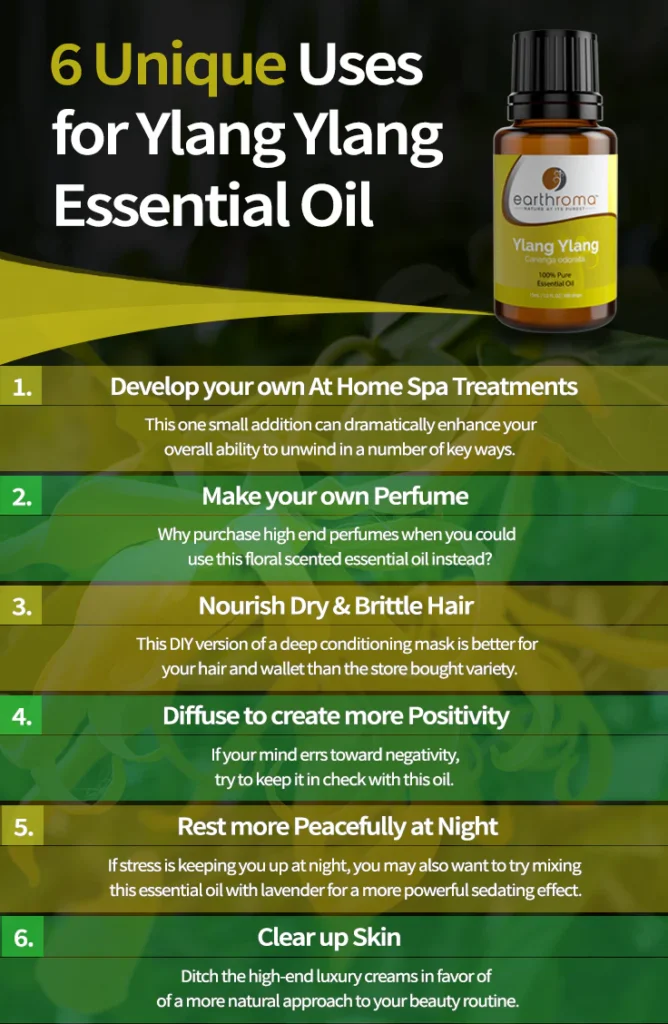
As we navigate the world of aromatherapy, it’s essential to understand the properties and uses of various essential oils. One such oil that has gained significant attention in recent years is ylang-ylang essential oil. In this article, we’ll delve into the world of ylang-ylang, exploring its composition, properties, and uses.
What is Ylang-Ylang?
Ylang-ylang (Cananga odorata) is a tropical plant native to Indonesia, Malaysia, and the Philippines. The oil extracted from its flowers has been used for centuries in aromatherapy, perfumery, and traditional medicine. The ylang-ylang tree is known for its rapid growth, reaching heights of up to 12 meters in just one year.
The Composition of Ylang-Ylang Essential Oil
Ylang-ylang essential oil is composed of various compounds, including linalool, germacrene, acetate of geraniol, carophyllene, and benzoic acid methyl ester. These compounds contribute to the oil’s unique aroma, therapeutic properties, and uses.
- Linalool: Known for its calming effects, linalool is commonly used in perfumery and natural health products.
- Germacrene: This compound has antimicrobial and insecticide properties, making it a popular ingredient in skincare products and natural pest control methods.
- Acetate of Geraniol: This sweet-smelling compound is often used in perfumes, cosmetics, and aromatherapy blends.
- Carophyllene: A sesquiterpene with anti-inflammatory properties, carophyllene is commonly used in skincare products and natural remedies.
- Benzoic Acid Methyl Ester: This compound has antimicrobial and antifungal properties, making it a popular ingredient in natural health products.
Properties of Ylang-Ylang Essential Oil
The composition of ylang-ylang essential oil gives it several unique properties:
- Stress Relief: The calming effects of linalool make ylang-ylang essential oil an excellent remedy for stress relief and anxiety.
- Skin Care: The antibacterial and anti-inflammatory properties of germacrene and carophyllene make ylang-ylang essential oil a popular ingredient in skincare products, particularly for acne-prone skin and capillary issues.
- Hair Care: The nourishing properties of linalool and geraniol make ylang-ylang essential oil an excellent hair mask ingredient, promoting healthy hair growth and reducing dandruff.
- Romantic and Aphrodisiac Properties: Ylang-ylang essential oil has been used for centuries as a natural aphrodisiac, promoting feelings of relaxation, love, and intimacy.
Uses of Ylang-Ylang Essential Oil
Ylang-ylang essential oil can be used in various ways:
- Aromatherapy: Add a few drops to your diffuser or inhale directly from the bottle to enjoy its calming effects.
- Skincare: Mix with carrier oils for an effective skincare routine, addressing acne, capillary issues, and skin tone.
- Hair Care: Use as a hair mask ingredient to nourish your hair, promoting healthy growth and reducing dandruff.
- Perfumery: Blend with other essential oils to create unique perfumes and fragrances.
Benefits of Using Ylang-Ylang Essential Oil
The benefits of using ylang-ylang essential oil include:
- Promotes relaxation and reduces stress
- Improves skin tone and reduces acne
- Nourishes hair, promoting healthy growth
- Enhances romantic feelings and intimacy
Safety Precautions When Using Ylang-Ylang Essential Oil
When using ylang-ylang essential oil, follow these safety precautions:
- Use in moderation: Start with a few drops and gradually increase as needed.
- Dilute with carrier oils: Always dilute ylang-ylang essential oil with a carrier oil before applying to the skin or hair.
- Avoid direct contact: Avoid applying ylang-ylang essential oil directly to sensitive areas, such as eyes and mucous membranes.
Tips for Using Ylang-Ylang Essential Oil
Here are some tips for using ylang-ylang essential oil:
- Diffuse in a peaceful space: Create a relaxing atmosphere by diffusing ylang-ylang essential oil in a quiet room.
- Use in meditation: Incorporate ylang-ylang essential oil into your meditation practice to promote relaxation and inner peace.
- Blend with other oils: Experiment with blending ylang-ylang essential oil with other essential oils to create unique fragrances and benefits.
Conclusion
Ylang-ylang essential oil is a versatile and powerful natural remedy with various properties and uses. From stress relief to skin care, hair care, and perfumery, this essential oil has something to offer everyone. When selecting a ylang-ylang essential oil, ensure you choose high-quality products from reputable suppliers.
FAQs
- What is the best way to use ylang-ylang essential oil?
- Add a few drops to your diffuser or inhale directly from the bottle.
- Can I mix ylang-ylang essential oil with other essential oils?
- Yes, but always dilute with carrier oils and follow proper safety guidelines.
- Is ylang-ylang essential oil safe for pregnant women?
- Consult a healthcare professional before using ylang-ylang essential oil during pregnancy.
- Can I use ylang-ylang essential oil on my skin?
- Yes, but always dilute with carrier oils and follow proper safety guidelines.
- How do I store ylang-ylang essential oil?
- Store in a cool, dark place to preserve its quality and shelf life.
By understanding the properties and uses of ylang-ylang essential oil, you can unlock its full potential and enjoy the benefits it has to offer.


