
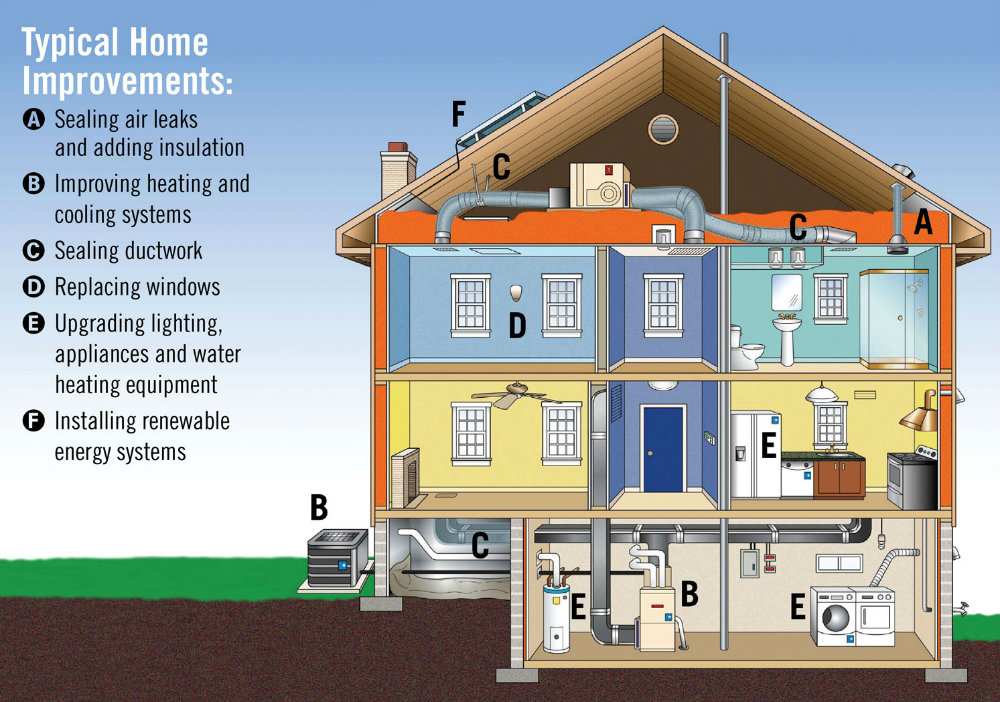
In today’s world, making our homes more efficient is no longer just a luxury, but a necessity. With rising energy costs and growing environmental concerns, it’s time to take control of our energy usage and make a positive impact on the planet.
While transforming an entire home into a perfect example of efficiency can be costly, leveraging low-cost technologies can help achieve significant energy savings. Here are some innovative solutions that will transform your home into a more efficient one.
The Importance of Energy Efficiency
Energy efficiency is not just about reducing our carbon footprint; it’s also about saving money on our utility bills. By optimizing our energy consumption, we can:
- Reduce greenhouse gas emissions
- Lower our energy costs
- Increase the comfort and well-being of our homes
In addition to these benefits, energy-efficient homes can also last longer, require less maintenance, and even increase their resale value.
1. Motion Sensors: The Key to Reducing Energy Waste
One of the most common ways we waste energy is through unnecessary lighting. Leaving lights on when not in use or turning them on and off repeatedly can lead to significant energy losses. That’s where motion sensors come in!
Motion sensors are affordable, with prices starting from around $18, and can be easily installed by replacing existing light switches. These sensors detect movement within a specific area, automatically turning the lights on and off when needed.
For example, installing motion sensors in areas like hallways, living rooms, and stairwells can help eliminate unnecessary lighting costs. Some smart home systems even allow you to control multiple sensors with just one device.
2. Programmable Thermostats: The Smart Way to Heat and Cool Your Home
Traditional thermostats are a thing of the past! With programmable thermostats, you can control your heating and cooling systems with ease, saving energy and money. These smart devices learn your schedule and preferences, adjusting temperatures accordingly.
For instance, you can program your thermostat to turn off the heat or AC when you’re away from home for extended periods. You can also set custom temperature schedules based on your daily routine, ensuring that your home remains comfortable while reducing energy consumption.
Some popular programmable thermostats include the Nest Learning Thermostat, Ecobee SmartThermostat, and Honeywell Home T9 Smart Thermostat.
3. Regular Maintenance: The Secret to Energy Efficiency
Regular maintenance is crucial for maintaining your home’s efficiency. Check for air leaks around doors and windows, replace worn-out light bulbs, and ensure proper ventilation to prevent heat loss.
In addition to these simple tasks, it’s also essential to inspect your HVAC system annually to ensure that it’s running efficiently. A professional inspection can help identify potential issues before they become major problems.
4. Insulation: The Magic Behind Energy Efficiency
Insulation is key to reducing heat transfer between your home and the outside environment. By sealing gaps and using high-quality insulation materials, you can minimize heat loss in winter and heat gain in summer.
In addition to energy savings, proper insulation also helps maintain the temperature of your water heater, ensuring it works more efficiently. It’s recommended to have a professional inspect and seal any air leaks before installing new insulation.
Some popular insulation options include:
- Fiberglass batts
- Spray foam insulation
- Cellulose insulation
5. DIY Solutions: The Cost-Effective Way to Energy Efficiency
One of the most cost-effective ways to achieve energy efficiency is through DIY projects. By repurposing or replacing existing fixtures and appliances, you can make a significant impact on your energy consumption.
Some popular DIY projects include:
- Replacing incandescent bulbs with LED lights
- Upgrading to low-flow showerheads
- Insulating pipes and ducts
DIY Lighting Projects
One of the easiest ways to start saving energy is by upgrading your lighting fixtures. Here are some simple DIY projects to get you started:
- Replace existing light bulbs with LED bulbs, which can save up to 80% on energy consumption.
- Install motion sensors or smart home systems to control lighting remotely.
- Create a “smart” lighting system using smart switches and dimmers.
DIY Insulation Projects
Insulating your home is an essential step in reducing heat transfer. Here are some DIY insulation projects you can try:
- Seal air leaks around doors and windows using caulk or weatherstripping.
- Install fiberglass batts or spray foam insulation to insulate walls, floors, and ceilings.
DIY HVAC Projects
Improving the efficiency of your HVAC system is crucial for maintaining a comfortable home while reducing energy consumption. Here are some DIY projects you can try:
- Inspect and clean your HVAC system annually to ensure it’s running efficiently.
- Replace worn-out filters with high-efficiency ones to improve air quality.
- Install a programmable thermostat to control temperature settings.
Conclusion
Transforming your home into an efficient one requires minimal investment and maximum benefit. By leveraging motion sensors, programmable thermostats, regular maintenance, insulation, and DIY solutions, you can:
- Reduce energy waste
- Lower utility bills
- Create a more comfortable and sustainable living space
Don’t wait any longer to make a positive impact on the environment. Start making your home more efficient today!
FAQs
-
How much money can I save by installing motion sensors?
By replacing traditional light switches with motion sensors, you can save up to $100 per year on your energy bills. -
What is the most cost-effective way to insulate my home?
DIY insulation projects, such as sealing gaps around doors and windows, are often the most cost-effective way to improve insulation levels. -
How often should I change my air filters?
Changing air filters every 1-3 months can help maintain your HVAC system’s efficiency and reduce energy waste. -
What is the difference between a programmable thermostat and a smart thermostat?
A programmable thermostat allows you to set schedules, while a smart thermostat learns your preferences and adjusts temperatures accordingly. -
Can I DIY insulation projects myself?
Yes! Many DIY insulation projects require minimal tools and expertise, making it accessible to homeowners of all skill levels. -
How can I calculate my energy savings?
Use online resources or consult with a professional to estimate your energy savings based on your specific usage patterns and insulation levels. -
What is the most efficient way to heat and cool my home?
A programmable thermostat is often the most efficient solution, as it allows you to control heating and cooling systems with precision. -
Can I combine multiple DIY projects for maximum energy efficiency?
Yes! Combining multiple DIY projects, such as replacing light bulbs and insulating pipes, can lead to significant energy savings and improved home comfort.


