
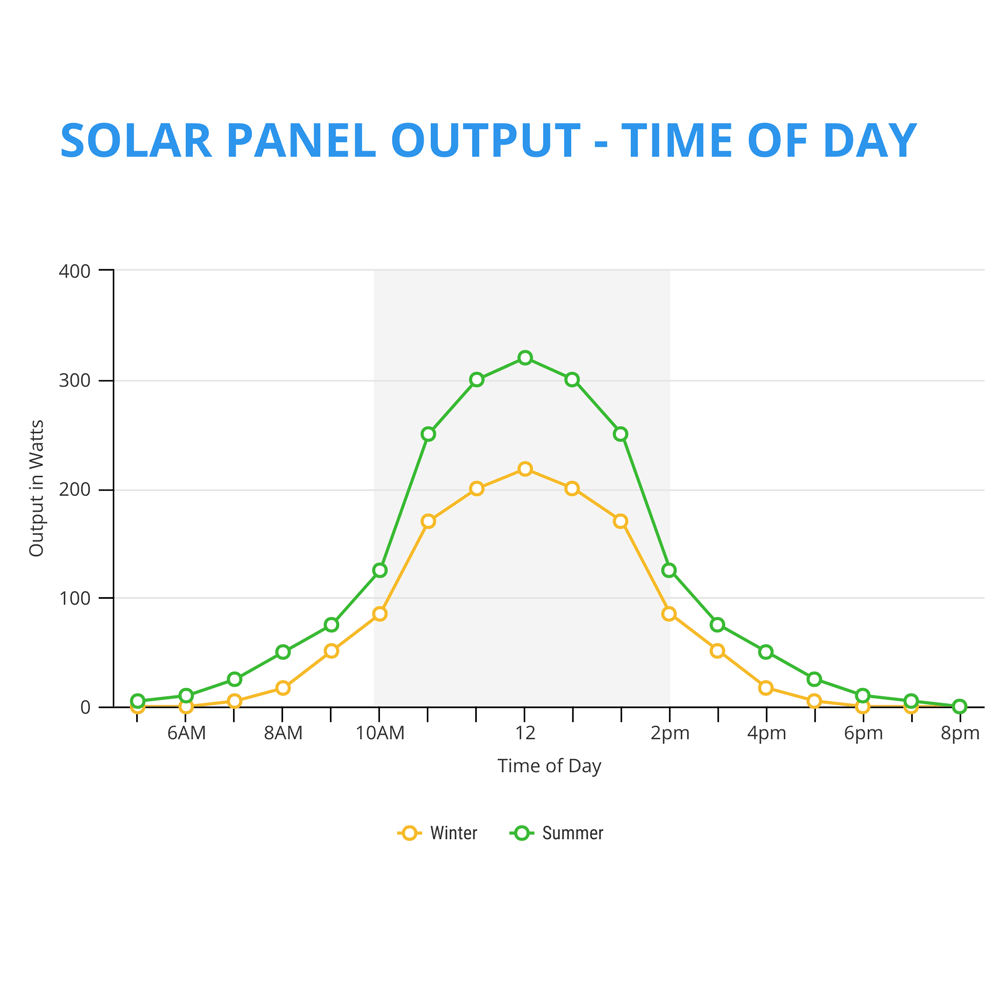
Understanding the Efficiency of Solar Panels in Winter
As a homeowner considering investing in solar panels, you may be wondering how their efficiency changes during winter. The truth is that the performance of solar panels can vary significantly depending on several factors, including weather conditions and the quality of the panel itself.
Before we dive into the specifics of winter, let’s address a related topic: why some areas in Italy experience lower energy efficiency from solar panels even in the midst of summer. It all comes down to temperature – and not just that. The optimal temperature for solar panels is around 25°C (77°F), as any higher temperature can lead to overheating and reduced performance.
Factors Affecting Solar Panel Efficiency
The quality of the panel itself plays a significant role in determining its overall efficiency, especially when exposed to harsh weather conditions like those commonly found in Italy. Factors such as sunlight exposure, wind resistance, and temperature fluctuations all contribute to the performance of your solar panels.
In particular, areas with high levels of cloud cover, precipitation, and snowfall can significantly impact the amount of energy generated by solar panels during winter. While modern cells are designed to handle reduced sunlight conditions better than their predecessors, they still struggle to reach optimal performance levels in such environments.
The Impact of Weather on Solar Panel Efficiency
To put it simply: if your location experiences a lot of cloudy days and low temperatures, you may find that your solar panels generate significantly less energy. In fact, even the most efficient systems typically only manage around 25-30% of their normal output when faced with heavy cloud cover.
However, there’s an important distinction to be made here: while the actual amount of energy generated by your solar panels might be lower during winter months, this doesn’t necessarily mean that investing in a system is less effective. In fact, the more sunlight you can generate throughout the year – including those cloudy days – will ultimately result in greater savings on your electricity bill.
Which Regions Experience High Solar Energy Output?
While Italy as a whole has an excellent climate for solar energy production, there are certain regions that stand out from the rest when it comes to high levels of sunlight exposure. These areas include:
- The coastal regions of Sardinia
- The western and southern coasts of Sicily
- Puglia (south of Bari)
- The Tuscan Archipelago
The Effect of Wind on Solar Panels
One common misconception about solar panels is that they’re susceptible to damage from strong winds. However, modern systems are designed to withstand extreme weather conditions, including gusts up to 120 km/h (75 mph). This means that even if your location experiences high winds during the winter months, you shouldn’t worry about potential damage to your solar panels.
Dealing with Snow Accumulation
Finally, it’s essential to address the issue of snow accumulation on solar panels. In areas prone to heavy snowfall, there is a risk that snow may accumulate on top of the panel and block sunlight from reaching the cells. To mitigate this problem, solar panels in these regions are often installed at specific angles that prevent snow from accumulating.
Conclusion
Investing in solar energy can be a great way to save money on your electricity bill, but it’s crucial to understand how different factors affect their performance. By recognizing the impact of weather conditions and taking steps to mitigate potential issues – such as installing panels at optimal angles or using specialized cleaning systems – you can ensure that your solar panel system continues to generate energy throughout the year.
Frequently Asked Questions
- How does temperature affect the efficiency of solar panels?
- What regions in Italy experience high levels of sunlight exposure?
- Can strong winds damage my solar panels?
- How do I prevent snow accumulation on my solar panels?
- What are some common misconceptions about solar panels and how can they be avoided?
Additional Tips for Maximizing Solar Panel Efficiency
- Regular cleaning: Use a soft-bristled brush or specialized cleaning system to keep your solar panels clean.
- Angle adjustments: Adjust the angle of your solar panels during winter months when sunlight is scarce.
- Energy storage systems: Consider investing in an energy storage system to optimize your energy production and usage.
Solar Panel Efficiency in Winter: A Closer Look
While it’s true that solar panels generate less energy during winter, there are still ways to maximize their performance. By understanding the factors affecting efficiency and taking steps to mitigate potential issues, you can ensure that your solar panel system continues to generate energy throughout the year.
In conclusion, investing in solar energy can be a great way to save money on your electricity bill, but it’s crucial to understand how different factors affect their performance.


