
Introduction
Planting a tree can be an exciting experience, especially when done correctly. One of the most common types of trees planted is the bare-root tree, which typically comes with exposed roots and needs special care. In this guide, we will explore what to expect from planting bare-root trees, how to prepare them for planting, and provide tips on maintaining a healthy root system.
Understanding Bare-Root Trees
Bare-root trees are smaller fruit trees that can be purchased as bare-root plants. They usually come with protection, such as mulch or soil, to preserve their roots from damage and extreme temperature fluctuations. Some may also have a jute cover or plastic vase, which should be removed before planting.
Pre-Planting Preparations
Before planting a bare-root tree, it’s essential to prepare the tree itself. A light pruning of the foliage can be done, allowing the tree to channel its energy towards new growth during recovery. Pruning helps the tree lignify more vigorously and develop a fuller canopy.
A few hours before planting, place the tree in a container with a mixture of soil, water, and mature compost. This process is called “wetting,” and it’s crucial for rehydrating the roots and allowing the tree to adjust.
Handling Early-Buying Trees
It’s possible to purchase bare-root trees ahead of schedule. If this happens, keep them in storage, protected from the elements, with a layer of sand and peat moss covering the root system. When ready to plant, follow the steps outlined above.
Choosing the Right Planting Site
The planting site should be large enough to accommodate the tree’s root system comfortably. The bottom of the hole is filled with soft soil mixed with fertilizer, while the remaining area is covered in additional soil until the base of the trunk is reached.
Once this step is complete, an extensive watering process follows.
Step-by-Step Planting Process
Step 1: Prepare the Tree and Site
Before planting a bare-root tree, ensure you’ve prepared both the tree and its intended planting site. If purchasing early, store the tree in a protected area until ready to plant.
Step 2: Remove Protective Layer
Remove any protective layer covering the root before planting.
Step 3: Stimulate Roots
Gently stimulate the roots by rubbing them with a cloth or scratching them gently with your fingers. This action helps improve water absorption and promotes healthy growth.
Step 4: Wetting (Inzaffardatura)
Place the tree in a container filled with soil, water, and compost. Allow it to rehydrate for a few hours before planting. This step plays a crucial role in aiding root development and acclimatization.
Step 5: Planting
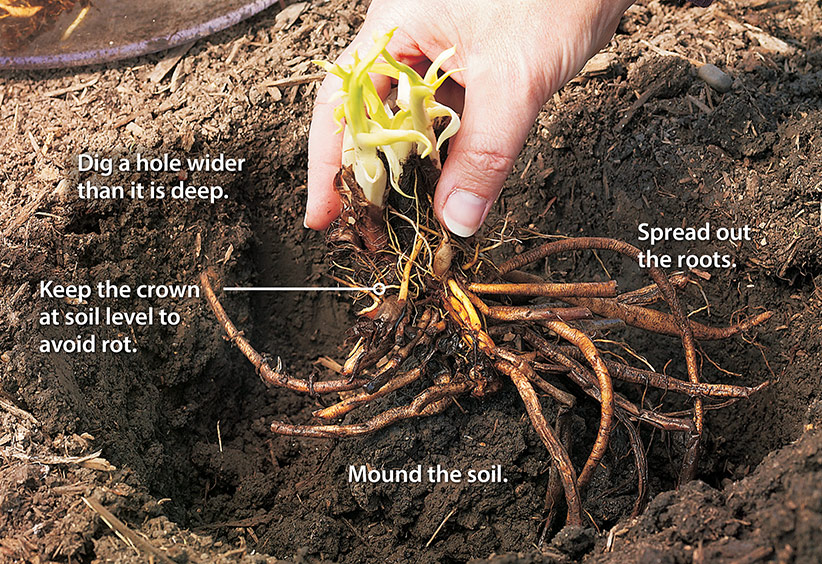
Dig a hole that is twice as wide and just as deep as the tree’s root system. Fill the bottom with soft soil mixed with fertilizer, covering the remaining area with additional soil until it reaches the base of the trunk.
Step 6: Watering
Thoroughly water the tree after planting to ensure the soil is moist but not waterlogged.
Tips and Considerations
- Always inspect the roots before purchasing a bare-root tree. Look for signs of damage or decay.
- Plant bare-root trees during favorable weather conditions, such as spring or autumn, when temperatures are mild and there’s ample moisture in the air.
- Mulch around the base of the tree to maintain soil temperature and retain moisture.
Frequently Asked Questions
Q: When is the best time to plant a bare-root tree?
A: Early March or the first autumn is ideal for planting bare-root trees, as temperatures are mild and there’s ample moisture in the air.
Q: How often should I water my newly planted tree?
A: Water your tree thoroughly after planting, then reduce watering frequency over the next few weeks. Monitor soil moisture by inserting a finger into the soil up to the knuckle; if the soil feels dry, it’s time for another drink.
Q: Can I plant bare-root trees in extreme weather conditions?
A: Avoid planting bare-root trees during extreme temperatures, heavy rain, or drought. Instead, wait for more favorable conditions to ensure optimal growth and survival.
Q: How can I protect my newly planted tree from pests and diseases?
A: Use a combination of physical barriers (such as fine mesh), repellents, and biological controls (like beneficial insects) to safeguard your tree against potential threats.
Q: Can bare-root trees be grown in containers?
A: Yes! Bare-root trees can thrive in pots if given proper care. Make sure the container is large enough to accommodate the root system, and provide regular watering, fertilization, and pruning to promote healthy growth.
Q: How long does it take for a bare-root tree to establish itself after planting?
A: Establishing roots takes several weeks to months, depending on weather conditions and soil quality. Monitor your tree’s progress, adjusting care as needed until it reaches its full potential.
Q: What are some common challenges faced by bare-root trees in the first year of growth?
A: Keep an eye out for signs of stress such as wilting leaves, yellowing foliage, or a lackluster trunk. Adjust watering and fertilization habits according to your tree’s specific needs, and consider consulting with a local nursery professional if concerns persist.
Q: Can bare-root trees be used for ornamental purposes?
A: Absolutely! Many varieties of bare-root trees can serve as stunning additions to gardens, parks, or landscapes when properly cared for. Choose species that suit your climate, desired aesthetic, and available space.
Q: How do I determine the age of a bare-root tree?
A: Measure the height of the trunk, counting the diameter in centimeters at breast height (CHH) to estimate the tree’s age based on growth patterns specific to different species.
Q: What are some popular varieties of bare-root trees suitable for home gardens?
A: Apple, Pear, Peach, Cherry, Plum – and many more! Research specific growing requirements, climate adaptations, and desired characteristics to select the perfect tree for your garden needs.
Q: How can I maintain a healthy root system for optimal growth?
A: Regularly inspect roots for signs of damage or decay; trim branches that grow into or near the soil surface to promote air circulation; and adjust watering schedules according to weather conditions.
Conclusion
Planting a bare-root tree requires careful planning, preparation, and attention to detail. By following these guidelines and tips, you can ensure a successful planting experience and help your tree establish itself for optimal growth and survival.


