
Bromhidrosis is a term used to describe an unpleasant condition where individuals experience excessive sweating, often resulting in body odor. This condition can affect anyone, regardless of age, sex, or ethnicity, although it’s more common in certain regions and populations.
What is Bromhidrosis?
Bromhidrosis refers specifically to the type of hyperhidrosis known as apocrine, which affects primarily men from Asian countries who have passed puberty. In this condition, the bacteria present on the skin break down sweat into compounds that cause strong, pungent odors. On the other hand, eccrine hyperhidrosis is less common and can affect anyone without any specific associations with sex, age, or ethnicity.
Causes of Bromhidrosi
There are several reasons why bromhidrosis occurs, including:
- Genetics: Some people may be more prone to hyperhidrosis due to their genetic makeup.
- Environmental factors: Hot and humid climates can contribute to increased sweating and odor production.
- Medical conditions: Certain health issues, such as diabetes or thyroid problems, can cause excessive sweating.
Symptoms of Bromhidrosi
The symptoms of bromhidrosis include:
- Excessive sweating
- Body odor
- Discomfort due to the smell
Remedies for Bromhidrosi
To combat the unpleasant effects of bromhidrosis, consider these natural remedies:
- Limit spicy foods and drinks: Avoid consuming strong-smelling foods like garlic, onions, curry, or alcohol.
- Stay hydrated: Drink plenty of water to dilute sweat and reduce odor production.
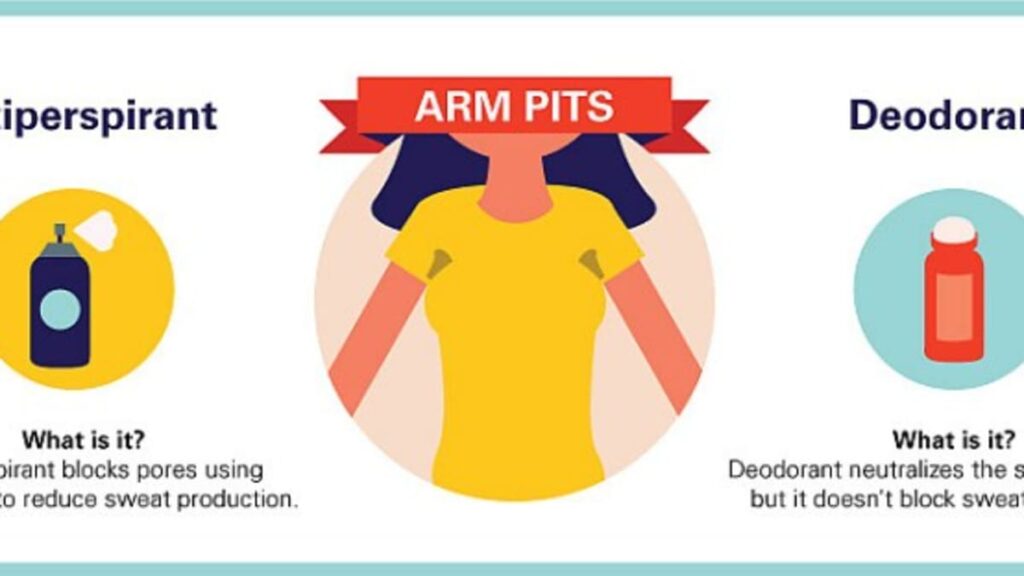
- Use deodorants or antiperspirants: Apply a gentle deodorant or antiperspirant containing baking soda or tea tree oil.
Bromhidrosi in Children
While it’s rare for children to experience bromhidrosis, the condition can still have a significant impact on their daily lives. If you suspect that your child may be suffering from this condition, consult with a healthcare professional to determine the cause and develop an effective treatment plan.
Bromhidrosi and Hiperidrosi
Research suggests that there is no direct link between bromhidrosis and hyperhidrosis, although they can occur independently. However, people with hyperhidrosis may experience increased sweat production, which can exacerbate bromhidrosis symptoms.
Natural Remedies for Bromhidrosi
In addition to the remedies mentioned earlier, consider these natural treatments to help alleviate symptoms:
- Apple cider vinegar: Mix equal parts apple cider vinegar and water as a natural deodorant.
- Baking soda: Use baking soda-based deodorants or antiperspirants to absorb moisture and reduce odor production.
- Tea tree oil: Add tea tree oil to your deodorant or apply it directly to the skin to help combat bacterial growth and reduce odor.
- Probiotics: Maintaining a healthy gut microbiome can help regulate sweat production and reduce body odor.
Medical Treatments for Bromhidrosi
While natural remedies can provide relief from symptoms, medical treatments may be necessary in some cases. Consider the following options:
- Antiperspirants or deodorants containing aluminum chloride: These products can help reduce sweat production and eliminate body odor.
- Prescription-strength antiperspirants: For severe cases of bromhidrosis, prescription-strength antiperspirants may be prescribed to regulate sweat production.
- Lifestyle modifications: Making changes to your daily routine, such as avoiding spicy foods, wearing loose clothing, or using a fan to improve airflow, can help reduce symptoms.
Preventing Bromhidrosi
While it’s not possible to completely prevent bromhidrosis, there are steps you can take to reduce the risk of developing this condition:
- Maintain good hygiene: Regularly showering and washing your clothes can help prevent bacterial growth that contributes to body odor.
- Use natural deodorants or antiperspirants: Choose products containing natural ingredients like baking soda, tea tree oil, or probiotics to reduce sweat production and eliminate body odor.
Conclusion
Bromhidrosis is a common condition characterized by excessive sweating and unpleasant body odor. While it can be challenging to treat, there are several natural remedies that can help alleviate the symptoms. By understanding the causes of this condition and incorporating effective treatments into your daily routine, you can regain control over your life and improve your overall well-being.
Frequently Asked Questions
Q: What is bromhidrosis?
A: Bromhidrosis refers to an unpleasant condition characterized by excessive sweating and body odor.
Q: Is bromhidrosis caused by genetics or environmental factors?
A: Both genetic predisposition and environmental factors can contribute to the development of bromhidrosis.
Q: Can I treat my bromhidrosis naturally?
A: Yes, there are several natural remedies available that can help alleviate symptoms, such as limiting spicy foods and drinks, staying hydrated, and using gentle deodorants or antiperspirants.
Q: Is it rare for children to experience bromhidrosis?
A: While it is uncommon, bromhidrosis can still have a significant impact on a child’s daily life. If you suspect that your child may be experiencing this condition, consult with a healthcare professional to determine the cause and develop an effective treatment plan.
Q: Can people with hyperhidrosis also experience bromhidrosis?
A: Yes, research suggests that there is no direct link between these two conditions; however, individuals with hyperhidrosis may experience increased sweat production, which can exacerbate bromhidrosis symptoms.
Q: How long does it take to treat bromhidrosi?
A: The effectiveness of treatments for bromhidrosis can vary depending on the individual and their specific condition. However, many natural remedies can provide relief from symptoms in a relatively short period.
Q: Can I cure myself of bromhidrosi at home?
A: While there are several natural remedies available to help alleviate symptoms, it’s recommended to consult with a healthcare professional if you suspect that you may be experiencing this condition.


