
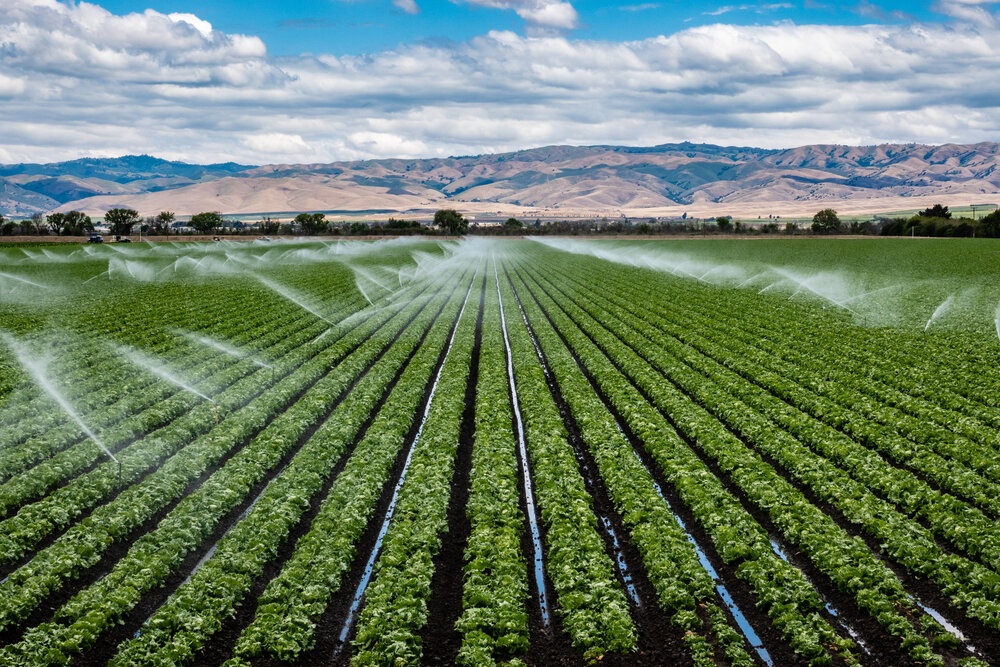
As farmers consider introducing new crops to their land, selecting the most efficient irrigation method is crucial. With various techniques available, it’s essential to choose the right one for each specific cultivation. From simple home gardens to large-scale agricultural operations, understanding the pros and cons of different irrigation methods is vital.
Understanding Irrigation Methods
There are several irrigation methods employed in agriculture, each with its own set of advantages and disadvantages. While simple systems like drip irrigation can be effective for small gardens, larger-scale operations require more advanced techniques. In this article, we’ll explore some of the most common irrigation methods used in agriculture and discuss their efficiency.
Drip Irrigation: A Efficient Method
Drip irrigation is a popular method for watering crops, especially fruits and vegetables. This system involves delivering water directly to the roots of the plants, reducing evaporation and runoff. By studying a customized plan that takes into account specific plant needs, drip irrigation can significantly reduce water waste.
However, drip irrigation may not be suitable for all types of crops. For example, rice cultivation requires a different approach, as demonstrated by the “flood” system.
Flood Irrigation: A Traditional Method
In regions with abundant water supply, flood irrigation is an economical method that doesn’t require advanced technology. This technique involves flooding the entire field surface, covering plants in water for extended periods. Unfortunately, this method comes with significant water loss – around 50% of applied water is wasted.
Flood irrigation has been used for centuries, particularly in Asia and Africa, where it’s well-suited to local conditions. However, its limitations make it less desirable for modern agricultural practices. Modern farmers often prefer more efficient methods that minimize water waste.
Sprinkler Irrigation: A Common Method
A popular method used in agriculture is sprinkler irrigation. This system consists of a mobile structure representing an irrigator, which sprays water onto crops as it moves along a pilot beam. The efficiency of this system can reach up to 90%. However, unlike the “LEPA” system, sprinkler irrigation delivers water directly on the soil surface.
Sprinkler irrigation is widely used in agriculture due to its versatility and effectiveness. It’s suitable for a variety of crops, including cereals, fruits, and vegetables. The mobile structure allows farmers to cover larger areas with less labor, making it an ideal choice for large-scale operations.
Understanding Efficiency
When evaluating irrigation methods, it’s essential to consider factors like water loss and crop yields. By assessing the pros and cons of each technique, farmers can make informed decisions about which method is best suited for their specific needs.
Case Study: LEPA Irrigation System
The “LEPA” system, a variant of sprinkler irrigation, boasts an impressive efficiency rate of up to 90%. This method delivers water directly onto crops, rather than the soil surface. However, its performance may vary depending on specific conditions and crop types.
In addition to its high efficiency, LEPA systems offer several other benefits, including:
- Reduced water waste: By delivering water directly onto crops, LEPA systems minimize evaporation and runoff.
- Increased crop yields: The targeted approach of LEPA systems can lead to higher crop yields due to optimal water delivery.
- Lower energy consumption: LEPA systems require less energy compared to traditional sprinkler irrigation methods.
However, there are also some limitations to consider:
- Higher upfront costs: LEPA systems can be more expensive to install compared to other irrigation methods.
- Complexity: The mobile structure and pilot beam required for LEPA systems can make them more complex to operate.
Despite these challenges, many farmers have successfully implemented LEPA systems in their operations. By carefully considering the specific needs of their crops and climate conditions, they’ve been able to achieve significant improvements in efficiency and crop yields.
Other Irrigation Methods
In addition to drip irrigation, flood irrigation, and sprinkler irrigation, there are several other methods used in agriculture. Some examples include:
- Drip-Filter Irrigation: This method combines the benefits of drip irrigation with the ability to filter out impurities from the water supply.
- Pivot Irrigation: A type of sprinkler irrigation that uses a rotating arm to distribute water evenly across the field.
- Center Pivot Irrigation: Similar to pivot irrigation, but the arm rotates around a central point.
Each of these methods has its unique advantages and disadvantages. By understanding their characteristics and limitations, farmers can make informed decisions about which irrigation method is best suited for their specific needs.
Best Practices for Optimizing Irrigation Systems
To maximize efficiency and reduce water waste, it’s essential to follow best practices when designing and operating irrigation systems. Some key considerations include:
- Water testing: Regularly test the water supply for pH levels, dissolved solids, and other impurities that can affect irrigation performance.
- Crop selection: Choose crops that are well-suited to the local climate and soil conditions. This can help reduce water waste and optimize crop yields.
- Soil health: Maintain good soil health by adding organic matter, fertilizing, and controlling pests and diseases. Healthy soils can improve irrigation efficiency and support more productive crops.
Conclusion
Choosing the right irrigation method for agricultural operations is crucial for maximizing efficiency and reducing waste. By understanding the strengths and weaknesses of different techniques, farmers can make informed decisions about which approach works best for their specific needs. In this article, we’ve explored some of the most common irrigation methods used in agriculture and highlighted their benefits and drawbacks.
Frequently Asked Questions
- What is drip irrigation and how does it work?
Drip irrigation is a method that delivers water directly to crops, reducing evaporation and runoff. It involves studying customized plans that take into account specific plant needs. - Is flood irrigation suitable for all types of crops?
Flood irrigation is typically used in regions with abundant water supply, as it doesn’t require advanced technology. However, it’s not ideal for all crop types due to significant water loss (around 50%). - How efficient is sprinkler irrigation compared to other methods?
Sprinkler irrigation can achieve efficiency rates of up to 90%, making it a popular choice among farmers. - What are the advantages and disadvantages of LEPA irrigation systems?
LEPA irrigation systems boast high efficiency rates (up to 90%) but may vary depending on specific conditions and crop types. - How do I choose the right irrigation method for my agricultural operation?
When selecting an irrigation method, consider factors like water loss, crop yields, and local climate conditions. Research and assess the pros and cons of each technique before making a decision. - Can I use drip irrigation for large-scale agriculture?
While drip irrigation is suitable for small gardens, its effectiveness may decrease in larger agricultural operations due to increased complexity and water demand.
By understanding the intricacies of irrigation methods and selecting the right approach for your agricultural operation, you can significantly reduce water waste and maximize crop yields.


