
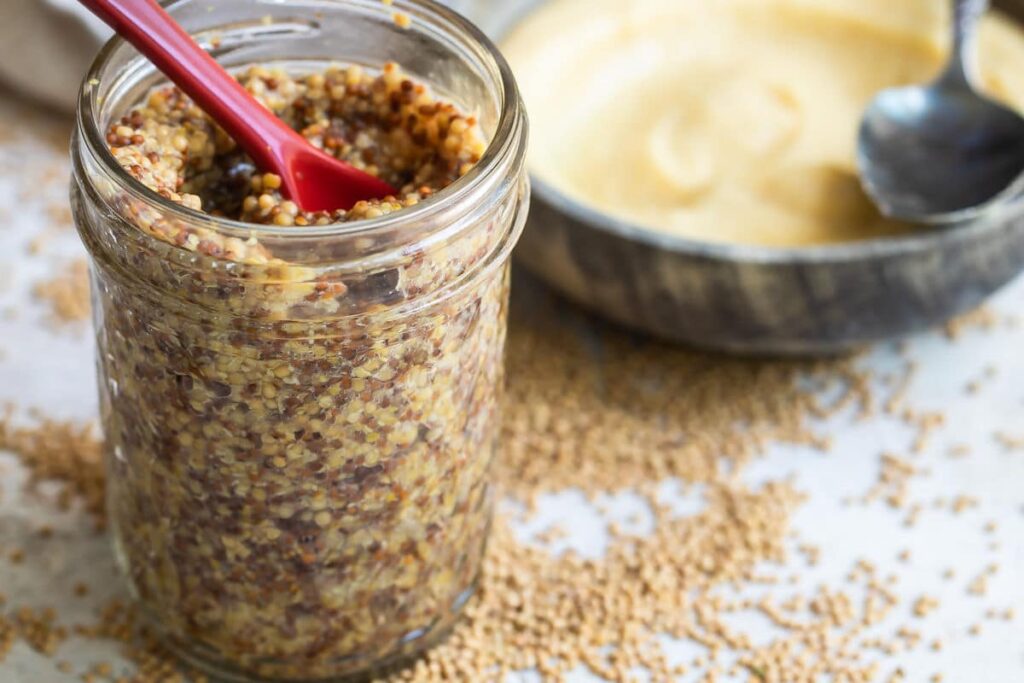
As we explore the world of condiments and sauces, one ingredient that often gets overlooked is the humble senape. Also known as mustard seeds or simply “grains” of senape, this tiny seed has been used for centuries to add flavor and depth to various dishes. In this article, we’ll delve into the world of senape-making and provide a comprehensive guide on how to make your own Dijon-style mustard at home.
Understanding Senape
Senape is made from the seeds of the Brassica juncea plant, which is native to India and Southeast Asia. There are several types of senape, including black senape, white senape, and yellow senape (also known as brown mustard). Each type has its unique flavor profile and texture.
Black senape is often used to make traditional Dijon-style mustard, while white senape is more commonly used in Asian cuisine. Yellow senape, on the other hand, is a versatile ingredient that can be used in various condiments and sauces.
Making Senape at Home: A Simple Recipe
To make 250ml of senape at home, you’ll need:
- 50g black senape seeds
- 50g yellow senape powder (or white senape)
- 1 teaspoon ground turmeric
- 3 tablespoons apple cider vinegar*
- 2 tablespoons salt
- 80ml water
Step-by-Step Instructions
- Grind the Senape Seeds: Grind the black senape seeds in a coffee grinder or spice grinder until they’re finely crushed.
- Mix with Yellow Senape Powder: In a bowl, mix together the ground senape seeds and yellow senape powder.
- Add Spices and Liquid: Add the turmeric, salt, apple cider vinegar, and water to the mixture. Stir well to combine.
- Let it Rest: Let the mixture rest for at least 24 hours before straining it through a fine-mesh sieve.
Tips and Variations
- Using Apple Cider Vinegar: If you prefer a milder flavor, you can use white wine vinegar or balsamic vinegar instead of apple cider vinegar.
- Adding a Twist: You can also add other ingredients to your senape recipe, such as garlic, ginger, or honey, to give it a unique flavor profile.
Conserving Your Senape
Your homemade senape will last for at least a year when stored in an airtight container in the fridge. Always handle the senape with clean hands, utensils, and cutting boards to prevent contamination.
Salsa di Senape: Exploring Different Variations
Senape is not just limited to making mustard; it can also be used as a condiment for various dishes. Here are some popular variations:
- Dijon-Style Mustard: Mix yellow senape powder with apple cider vinegar and a pinch of salt for a classic Dijon-style mustard.
- Salsa di Senape con Aglio e Aneto: Blend black senape seeds with garlic, anise seeds, and olive oil to create a savory sauce perfect for grilled meats or vegetables.
- Senape al Miele: Mix yellow senape powder with honey for a sweet and tangy condiment.
Exploring the History of Senape
Senape has been used for centuries in various cultures, including ancient India, China, and Europe. In traditional Indian medicine, senape was used to treat a range of ailments, from indigestion to respiratory issues.
In medieval Europe, senape was a staple ingredient in many sauces and condiments. The French, in particular, developed their own version of Dijon-style mustard using black senape seeds and white wine vinegar.
Using Senape in Cooking
Senape is a versatile ingredient that can be used in various dishes, such as:
- Sauces and Marinades: Mix senape with olive oil, garlic, and herbs to create a savory sauce for grilled meats or vegetables.
- Dips and Spreads: Blend senape with sour cream or yogurt for a delicious dip or spread.
- Salads: Add senape to your favorite salad recipe for an extra burst of flavor.
Common Questions and Answers
- What’s the difference between black senape and white senape?
Black senape has a stronger, more pungent flavor than white senape, which is milder and sweeter. - Can I use other types of mustard seeds instead of yellow senape powder?
Yes, you can experiment with different types of mustard seeds to create unique flavor profiles. -
How do I store my homemade senape?
Store your homemade senape in an airtight container in the fridge for up to a year. -
Can I use senape as a substitute for traditional mustard?
While senape can be used as a condiment, it has a stronger flavor profile than traditional mustard. Use it sparingly and adjust to taste. -
What are some other ways I can use senape in cooking?
Senape is a versatile ingredient that can be used in various dishes, such as sauces, marinades, and rubs. -
Can I make senape without apple cider vinegar?
Yes, you can use white wine vinegar or balsamic vinegar instead of apple cider vinegar for a milder flavor. -
How do I know if my homemade senape is ripe?
Your homemade senape should be smooth and free of lumps. If it’s too thick, add a little water; if it’s too thin, simmer it over low heat to thicken. -
Can I share my homemade senape with friends and family?
Absolutely! Homemade senape makes a wonderful gift for foodies and condiment enthusiasts.
Conclusion
Making senape at home is a simple and rewarding process that requires minimal equipment and ingredients. With this guide, you’ll be able to create your own Dijon-style mustard using black senape seeds and yellow senape powder. Experiment with different variations and recipes to find the perfect flavor profile for your taste buds. Happy cooking!


