
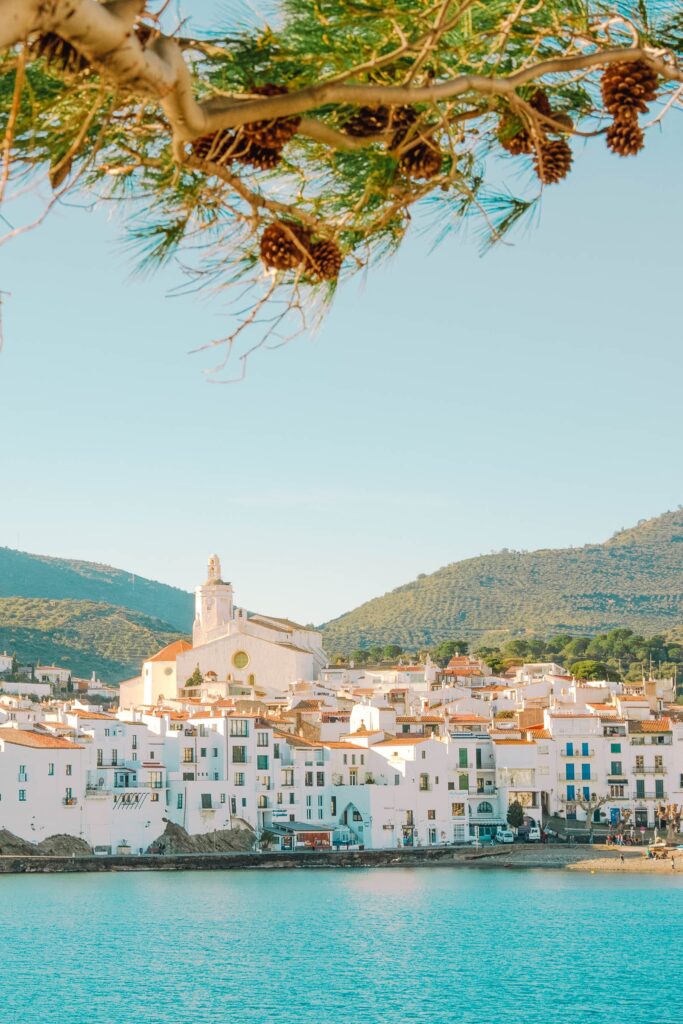
The image of Spain is often associated with sun-kissed beaches and vibrant nightlife, but the reality is that this Mediterranean country has a lot more to offer when it comes to ecotourism. From stunning natural landscapes to unique cultural experiences, there are countless destinations waiting to be explored.
1. Camprodón: A Hidden Gem in the Pyrenees
Located in the heart of the Pyrenees catalanes, Camprodón is a charming mountain town that has been transformed from a ski resort into an ecotourism hotspot. With its picturesque valley, lush forests, and verdant meadows, Camprodón is perfect for hiking and trekking enthusiasts.
One of the town’s most notable landmarks is the Pont Nou, a Romanesque bridge that soars above the Riu Ter, the main river in the valley. This stunning bridge is just one example of the many natural wonders that can be found in and around Camprodón.
In addition to its breathtaking landscapes, Camprodón is also known for its rich cultural heritage. The town has a long history dating back to the Roman era, and visitors can still see ancient ruins and artifacts scattered throughout the area. For those looking for adventure, Camprodón offers a range of outdoor activities, including skiing, snowboarding, and hiking.
2. La Spagna Verde: Exploring Spain’s Green Heart
La Spagna Verde refers to the northern regions of Spain, including Galicia, Asturias, the Basque Country, and Cantabria. This vast and unspoiled area is home to some of Spain’s most beautiful landscapes, from the rugged coastlines of Galicia to the rolling hills of Asturias.
One of the crown jewels of La Spagna Verde is the Parco Nazionale dei Picos de Europa, a UNESCO World Heritage Site that boasts towering peaks, crystal-clear lakes, and an incredible array of flora and fauna. Here, visitors can spot species such as the golden eagle, the Iberian lynx, and the Cantabrian brown bear.
Another highlight of La Spagna Verde is the Ordesa y Monte Perdido National Park, which features stunning mountain scenery, waterfalls, and a range of wildlife. Visitors can explore the park’s scenic trails, spot eagles soaring overhead, and enjoy breathtaking views from the top of the mountains.
3. Ecotourism in the Balearic Islands: Minorca
Minorca is one of the most beautiful islands in the Balearic archipelago, and it’s a haven for ecotourists. The island has been designated as a Biosphere Reserve, making it an ideal destination for those who want to experience responsible tourism.
One of the highlights of Minorca is its stunning coastline, which features some of the most pristine beaches in Spain. Visitors can also explore the island’s unique flora and fauna, including the iconic Mediterranean pine forest and the Saline de la Albufera des Grau, a UNESCO Biosphere Reserve that’s home to over 100 species of birds.
Minorca is also known for its rich cultural heritage, with a history dating back to the Phoenicians. Visitors can explore ancient ruins, visit historic towns, and experience the island’s unique cuisine, which features fresh seafood and local wines.
4. Ecotourism in Andalusia: Cabo de Gata-Níjar
Cabo de Gata-Níjar is one of the most beautiful natural parks in Spain, and it’s located in the province of Almería. The park covers an area of over 8,000 square kilometers and features some of the most stunning landscapes in the Mediterranean.
One of the highlights of Cabo de Gata-Níjar is its unique geology, which has created a diverse range of ecosystems that support a wide variety of flora and fauna. Visitors can explore the park’s scenic coastline, spot species such as the European rabbit and the imperial eagle, and enjoy some of the best birdwatching in Spain.
Cabo de Gata-Níjar is also known for its rich cultural heritage, with a history dating back to the Phoenicians. Visitors can explore ancient ruins, visit historic towns, and experience the park’s unique cuisine, which features fresh seafood and local wines.
5. Parco Nazionale di Doñana: A Haven for Wildlife
The Parco Nazionale di Doñana is one of the most biodiverse areas in Europe, and it’s located in the provinces of Huelva, Siviglia, and Cadice. The park is home to over 400 species of birds, as well as a wide range of mammals, reptiles, and amphibians.
One of the main attractions of Doñana is its unique wetlands, which are home to species such as the lince iberica, one of the most endangered big cats in Europe. Visitors can explore the park’s scenic trails, spot wildlife from comfortable distances, and enjoy some of the best birdwatching in Spain.
Doñana is also known for its rich cultural heritage, with a history dating back to the Roman era. Visitors can explore ancient ruins, visit historic towns, and experience the park’s unique cuisine, which features fresh seafood and local wines.
Conclusion
Spain is a country that has so much more to offer than just sun-kissed beaches and vibrant nightlife. From its stunning natural landscapes to its unique cultural experiences, there are countless destinations waiting to be explored by ecotourists.
Whether you’re looking for hiking and trekking opportunities, birdwatching excursions, or simply a chance to relax in one of Spain’s most beautiful national parks, there’s something for everyone in this incredible country.
Frequently Asked Questions
- Q: What is La Spagna Verde?
A: La Spagna Verde refers to the northern regions of Spain, including Galicia, Asturias, the Basque Country, and Cantabria. - Q: What is the Parco Nazionale dei Picos de Europa?
A: The Parco Nazionale dei Picos de Europa is a UNESCO World Heritage Site that boasts towering peaks, crystal-clear lakes, and an incredible array of flora and fauna. - Q: Why is Minorca important for ecotourism?
A: Minorca has been designated as a Biosphere Reserve, making it an ideal destination for those who want to experience responsible tourism. - Q: What makes Cabo de Gata-Níjar so special?
A: Cabo de Gata-Níjar is one of the most beautiful natural parks in Spain, featuring some of the most stunning landscapes in the Mediterranean. - Q: Why should I visit Doñana?
A: The Parco Nazionale di Doñana is home to over 400 species of birds and a wide range of mammals, reptiles, and amphibians, making it one of the most biodiverse areas in Europe.
Additional Resources
- Ecotourism in Spain
- La Spagna Verde
- Parco Nazionale dei Picos de Europa
- Minorca
- Cabo de Gata-Níjar
- Doñana
Tips for Visiting Spain as an Ecotourist
- Research: Before planning your trip, research the best time to visit each destination and any necessary permits or guides.
- Choose Responsible Tour Operators: Look for tour operators that follow responsible ecotourism practices and support local communities.
- Respect the Environment: Always respect the natural environment and wildlife, and take all trash with you when leaving a site.
- Support Local Economies: By visiting local towns and villages, you can support local economies and help preserve traditional ways of life.
- Learn About Local Culture: Take the time to learn about local customs and traditions, and respect them at all times.
Conclusion
Spain is a country that has so much to offer ecotourists. From its stunning natural landscapes to its unique cultural experiences, there are countless destinations waiting to be explored. By choosing responsible tour operators, respecting the environment, supporting local economies, and learning about local culture, you can ensure that your trip is both enjoyable and sustainable.
So why not start planning your Spanish adventure today? With so many amazing destinations to choose from, you’re sure to find something that suits your interests and budget.


