
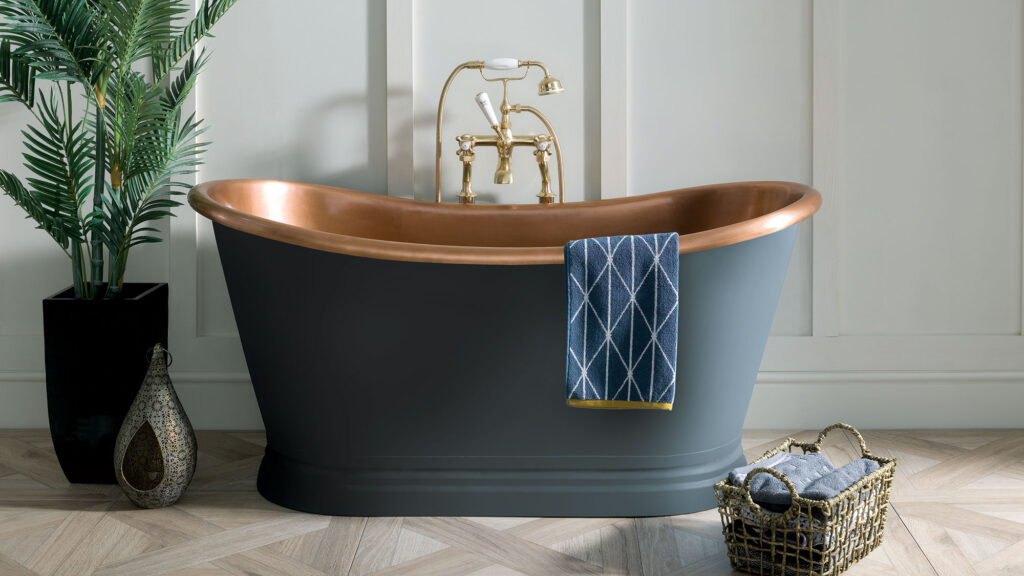
As we age, our bathroom sinks tend to lose their luster and even develop a yellowish hue. This phenomenon can be attributed to the buildup of mineral deposits and grime on the sink’s surface. Fortunately, there are various methods to restore your bathroom sink to its former glory, including painting or re-coating it with a new layer of enamel.
In this comprehensive guide, we will walk you through the process of painting or coating your bathroom sink, covering all aspects from choosing the right paint to preparation and application techniques.
Choosing the Right Paint
When selecting a paint for your bathroom sink, it’s essential to consider the type of material your sink is made of. Sinks can be constructed from various materials such as ceramic, porcelain, glass, or metal (usually stainless steel).
- Ceramic sinks: These sinks are often coated with an enamel layer that requires specialized painting techniques.
- Porcelain sinks: Like ceramic sinks, these require a specific type of paint designed for porcelain surfaces.
- Glass sinks: Paint specifically formulated for glass surfaces can be used to achieve a durable and glossy finish.
- Metal sinks (stainless steel): These sinks are often coated with an enamel layer that requires specialized painting techniques.
There are various types of paints available, including:
- Bicomponent paint: A two-part paint system consisting of a resin and hardener, which provides excellent adhesion to most surfaces.
- Acrylic paint: A water-based paint suitable for ceramic, porcelain, and glass sinks.
When choosing a paint, always read the label carefully, considering factors like durability, color retention, and chemical resistance.
Preparing Your Sink
Before applying paint or coating your bathroom sink, it’s essential to prepare the surface. This includes:
- Removing mineral deposits: Use an anti-calcification agent or vinegar solution to remove any stubborn stains or grime.
- Cleaning the surface: Thoroughly wash and dry the sink using a soft cloth and mild soap.
Painting Your Sink
To achieve professional-looking results, follow these steps:
- Apply a primer (if necessary): Use a primer specifically designed for ceramic or porcelain surfaces to ensure optimal adhesion.
- Mix the paint: Combine the paint components according to the manufacturer’s instructions and apply them evenly to the sink surface.
- Apply multiple coats: Allow each coat to dry completely before applying the next one, following the manufacturer’s recommended drying time.
Tips and Tricks
- Always follow the manufacturer’s instructions for the specific paint product you’ve chosen.
- Use a high-quality brush or roller to ensure an even application.
- Apply a clear protective coating once the final coat has dried to prevent scratches and fading.
By following these steps and tips, you’ll be able to beautifully re-coat your bathroom sink with a durable and stylish finish that will last for years to come.


