
As we continue to navigate the complexities of climate change, it’s becoming increasingly clear that traditional sources of energy won’t be enough to meet our growing demands. This is where alternative technologies come in – and one such innovation is harnessing the power of ocean waves.
What is Ocean Power Technology?
Ocean Power Technologies (OPT) has been working on a groundbreaking project that leverages the kinetic energy of ocean waves to generate electricity. By installing underwater devices called “PowerBuoys,” OPT aims to tap into this vast, untapped source of renewable energy.
A Forgotten but Promising Technology
Despite its potential, ocean wave power remains an underutilized technology compared to other forms of renewable energy like wind and solar. Companies tend to invest in more established technologies, where the infrastructure is already in place. However, OPT’s innovative approach could change this narrative.
The First Wave: A 35-Year License for OPT
In a significant development, OPT has secured a 35-year license to operate its PowerBuoys off the coast of Oregon. The project involves installing 10 buoys that will harness wave energy to generate enough electricity to power approximately 1,000 homes.
How Does it Work?
The PowerBuoys are designed to be anchored to the seafloor and utilize the kinetic energy of ocean waves and tides to produce electricity. This technology has the potential to provide a reliable source of renewable energy, reducing our reliance on fossil fuels.
A New Era for Ocean Energy
By embracing this emerging technology, we can unlock new possibilities for harnessing clean energy from the oceans. OPT’s innovative approach not only addresses climate change but also promotes sustainable development and economic growth.
Environmental Benefits
The installation of PowerBuoys is expected to have a negligible impact on marine life. Unlike traditional offshore wind turbines, these underwater devices won’t disrupt marine habitats or disturb local ecosystems.
Government Support
OPT has received funding from the US Department of Energy, further solidifying its commitment to this promising technology. With the project set to be completed by the end of 2012, we can expect to see significant progress in the coming years.
A Wave of Change
As we move forward with this innovative technology, it’s essential to consider the broader implications for our planet. By embracing ocean wave power, we can create a more sustainable future and reduce our carbon footprint.
The Future of Renewable Energy
Ocean Power Technologies is poised to revolutionize the way we think about renewable energy. As we look to the future, it’s clear that harnessing the power of ocean waves will play an increasingly important role in meeting our growing energy demands.
Conclusion
The potential for ocean wave power is vast and exciting. By embracing this emerging technology, we can create a more sustainable future and reduce our reliance on fossil fuels. As we move forward, it’s essential to consider the broader implications for our planet and work towards creating a cleaner, greener world.
Frequently Asked Questions
- What is Ocean Power Technologies?
Ocean Power Technologies (OPT) is a company that specializes in harnessing the kinetic energy of ocean waves to generate electricity. - How does it work?
The PowerBuoys are underwater devices that utilize the kinetic energy of ocean waves and tides to produce electricity. - Will the installation affect marine life?
The installation of PowerBuoys is expected to have a negligible impact on marine life, unlike traditional offshore wind turbines. - What kind of funding has OPT received?
OPT has received funding from the US Department of Energy for its Ocean Power project. - When can we expect to see significant progress?
The project is set to be completed by the end of 2012, with plans for future expansion and development. - Will ocean wave power replace traditional energy sources?
Ocean wave power has the potential to supplement traditional energy sources, providing a reliable and renewable alternative. - What are the environmental benefits of this technology?
The PowerBuoys will have a negligible impact on marine life and ecosystems, making it an environmentally friendly option. - Can you explain the significance of the 35-year license?
The 35-year license grants OPT the right to operate its PowerBuoys for an extended period, allowing them to continue developing and refining their technology.
Understanding the Science Behind Ocean Wave Power
To grasp the potential of ocean wave power, it’s essential to understand the science behind this emerging technology. Here are some key concepts:
- Wave Energy: The kinetic energy present in ocean waves is a significant source of renewable energy. By harnessing this energy, we can generate electricity without relying on fossil fuels.
- Tidal Currents: Tidal currents refer to the movement of water caused by the gravitational pull of the moon and sun. These currents are strong enough to power turbines and generate electricity.
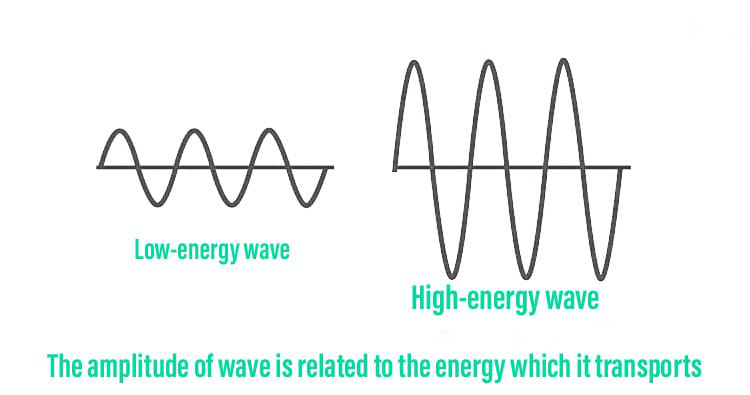
- Wave Height: Wave height is a crucial factor in determining the amount of energy available from ocean waves. The higher the wave height, the more energy can be harnessed.
The Benefits of Ocean Wave Power
Ocean wave power has numerous benefits that make it an attractive alternative to traditional energy sources:
- Renewable Energy Source: Ocean wave power is a renewable energy source that doesn’t contribute to greenhouse gas emissions.
- Reliability: Ocean waves provide a consistent and reliable source of energy, unlike solar and wind power which can be affected by weather conditions.
- Scalability: Ocean wave power can be scaled up or down depending on the project requirements, making it an adaptable technology.
Challenges and Limitations
While ocean wave power holds significant promise, there are challenges and limitations to consider:
- Intermittency: Ocean waves can be unpredictable, which makes it challenging to generate electricity at all times.
- High Upfront Costs: The installation of PowerBuoys requires a significant upfront investment, making it less competitive with other forms of renewable energy.
- Technical Challenges: Harnessing the kinetic energy of ocean waves requires advanced technology and engineering expertise.
The Future of Ocean Wave Power
As research and development continue to advance, we can expect to see improvements in the efficiency and reliability of ocean wave power technologies. With the potential for significant reductions in greenhouse gas emissions and a more sustainable future, it’s essential to explore this emerging energy source further.
Conclusion
Ocean wave power is an innovative technology that has the potential to revolutionize the way we think about renewable energy. By embracing this emerging field, we can create a more sustainable future and reduce our reliance on fossil fuels. As we move forward, it’s essential to consider the broader implications for our planet and work towards creating a cleaner, greener world.
Recommendations
Based on the potential of ocean wave power, here are some recommendations:
- Increased Funding: Provide funding for further research and development of ocean wave power technologies.
- Policy Support: Develop policies that support the integration of ocean wave power into the energy mix.
- Public Awareness: Raise public awareness about the benefits of ocean wave power and its potential to create a more sustainable future.
By working together, we can unlock the full potential of ocean wave power and create a brighter, more sustainable future for all.


