
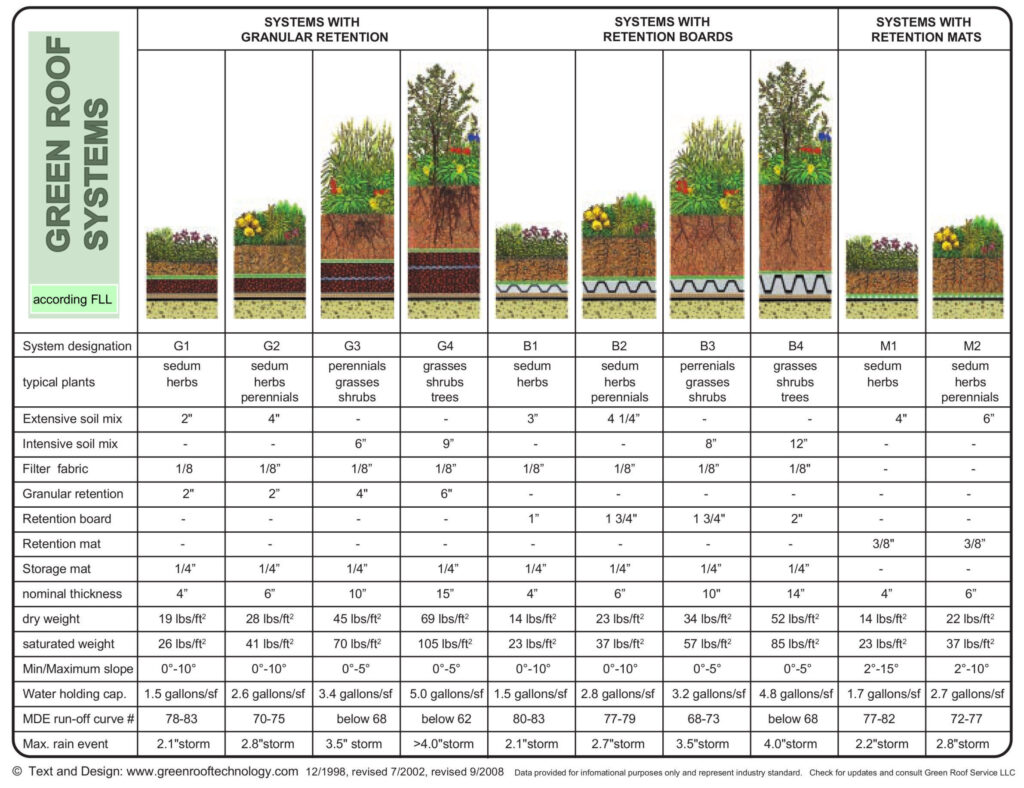
As the world becomes increasingly aware of the importance of sustainability and environmental conservation, green roofs have emerged as a vital component in reducing urban heat islands and promoting eco-friendly architecture. In this article, we will delve into the two main types of green roofs: extensive and intensive, exploring their technical aspects, benefits, and requirements.
Understanding Green Roofs: Extensive vs Intensive
When discussing green roofs, there are two primary categories to consider: extensive and intensive. The distinction between these two lies in their design, functionality, and maintenance needs.
- Extensive Green Roof: Also known as low-maintenance or sedum roofs, these are ideal for large-scale applications. They can be installed on inclined or flat surfaces, making them suitable for complex roof geometries.
- Intensive Green Roof: This type of green roof is more akin to a traditional garden, with a wider range of plant species and a higher level of maintenance.
Extensive Green Roofs: Characteristics and Benefits
- Suitable for large-scale applications: Extensive green roofs are ideal for covering extensive areas.
- Less maintenance required: The plants used in extensive green roofs have low watering needs and can thrive with minimal care.
- Weight and structural integrity: The substrate thickness of extensive green roofs ranges from 15 to 20 cm, making them suitable for most roof structures.
Key Considerations for Extensive Green Roofs
- Plant selection: Choose species that are succulents or have low water requirements, such as Sedum.
- Substrate thickness and weight: Ensure the substrate is dense enough to support plant growth and minimize structural damage.
- Initial costs: The cost of installation for extensive green roofs can range from $40 to $80 per square foot.
Technical Aspects of Extensive Green Roofs
- Drainage system: A proper drainage system is crucial for preventing water accumulation and ensuring plant health. Consider using a layer of geotextile fabric or a drainage mat to manage excess water.
- Pest control: Regularly inspect the roof for signs of pests, such as insects or rodents, and take necessary measures to prevent infestations.
- Soil erosion prevention: Implement measures to prevent soil erosion, such as using geotextile fabric or a soil reinforcement system.
Intensive Green Roofs: Characteristics and Benefits
- More plant diversity: Intensive green roofs feature a wider variety of plants, including trees, shrubs, and herbaceous species.
- Higher maintenance requirements: The need for frequent watering, pruning, and fertilization is more pronounced with intensive green roofs.
Key Considerations for Intensive Green Roofs
- Structural support: Intensive green roofs require a deeper substrate layer to accommodate plant growth, often ranging from 20 to 150 cm.
- Costs and labor: The installation process is more complex and labor-intensive, with costs increasing accordingly.
Comparing Extensive and Intensive Green Roofs
While both types of green roofs have their advantages and disadvantages, the choice between them ultimately depends on the specific requirements of your project. Consider factors such as roof size, plant diversity, maintenance needs, and budget to determine which option is best suited for your needs.
Frequently Asked Questions (FAQs)
Q: How long does it take for a green roof to mature?
A: The time required for a green roof to mature varies depending on the type of plants used. Extensive green roofs typically require 1-2 years, while intensive green roofs may take 5-10 years or more.
Q: What is the ideal substrate thickness for an extensive green roof?
A: The substrate thickness for extensive green roofs should range from 15 to 20 cm.
Q: How much does a green roof cost?
A: The cost of installing a green roof can vary widely, depending on factors such as size, plant selection, and maintenance requirements. Extensive green roofs typically cost between $40 and $80 per square foot, while intensive green roofs may range from $80 to $150 or more per square foot.
Q: Can I install a green roof myself?
A: While it is possible to install a green roof yourself, it’s highly recommended that you hire a professional with experience in green roofing installation. The complexity of the installation process and the need for proper substrate preparation and plant selection make this a project best suited for experienced contractors.
Q: What are some common plants used on intensive green roofs?
A: Some common plants used on intensive green roofs include trees, shrubs, herbaceous species, and flowering plants.
Q: How often should I water an extensive or intensive green roof?
A: The frequency of watering depends on the type of plants used and the climate. Generally, it’s recommended to water extensively planted roofs once a week during dry periods, while more frequently for roofs with intensive planting.
Q: What are some common challenges associated with maintaining green roofs?
A: Some common challenges include managing irrigation systems, controlling pests, dealing with soil erosion, and ensuring adequate plant health.
Best Practices for Green Roof Installation
- Design a detailed plan: Create a comprehensive design that takes into account factors such as roof size, plant selection, drainage system, and structural integrity.
- Use high-quality materials: Ensure that all materials used in the installation process meet or exceed industry standards for durability, sustainability, and environmental impact.
- Monitor and maintain: Regularly inspect the roof and make adjustments as necessary to ensure optimal performance and longevity.
Future Trends in Green Roof Technology
As green roofs continue to gain popularity, researchers are exploring new technologies and innovations that can improve their efficiency, sustainability, and functionality. Some of these emerging trends include:
- Integrated solar panels: Combining solar panels with green roof systems to create energy-harvesting roofs that generate electricity while providing insulation and reducing urban heat islands.
- Self-sustaining ecosystems: Designing green roofs as closed-loop ecosystems that can recycle rainwater, reduce waste, and promote biodiversity.
- Advanced drainage systems: Developing more efficient drainage systems that can manage excess water, prevent erosion, and ensure plant health.
Conclusion
Green roofs have become an essential component of sustainable urban planning, offering numerous benefits for the environment, building occupants, and the community at large. By understanding the differences between extensive and intensive green roofs, architects, engineers, and property managers can make informed decisions about which type is best suited for their specific needs. Whether you’re designing a new building or retrofitting an existing one, incorporating green roof technology into your project can have a lasting impact on the health of our planet.


