
If you’re an avid bird enthusiast or simply looking for a unique and loving companion, the Agapornis roseicollis, commonly known as the inseparable lovebird, is an excellent choice. This species of parrot has captivated many with its stunning colors, playful demeanor, and affectionate nature.
Characteristics of the Agapornis Roseicollis
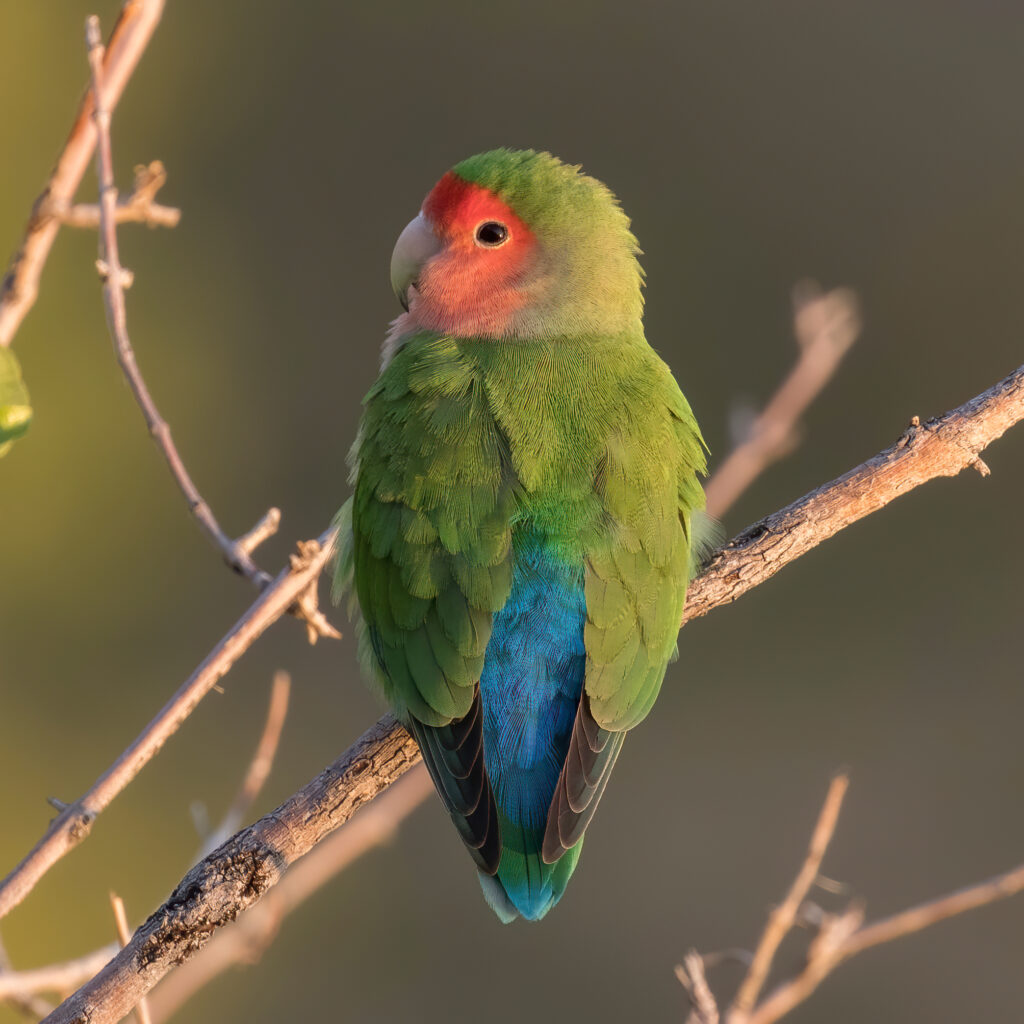
The Agapornis roseicollis is one of the larger species within the genus Agapornis, with adults reaching lengths of 15-16 inches. Its robust body and large head make it a striking sight. The male’s plumage features an intense green color with darker upper parts and lighter giallognolo hues on the underside. A distinctive red-rimmed area on the forehead gives way to vibrant pinkish tones that reach down to the throat and shoulders, where they abruptly stop. The belly and flanks are a light green, while the mantle is a grassy green. The back and upper portion of the tail display an azure-blue hue.
In terms of color variation, there are several mutations that have been observed in the Agapornis roseicollis, including pezzato, orange-faced, avorio, white avorio, dilute, lutino, cream, cinnamon, opaline, cobalt, and malva. These unique colors make this species a sought-after choice among parrot enthusiasts.
Distribution and Habitat
Native to southern Africa, the Agapornis roseicollis is found in Angola’s Sumba region, Namibia, and parts of South Africa’s Cape province. Sightings have also been reported near Victoria Falls, a testament to their ability to thrive both stably and nomadically.
Their habitats typically include dry forests up to 1,500 meters above sea level as well as open savannas with large trees, riverbanks, and agricultural lands. The species often congregates in groups of 10-20 birds when water sources are abundant or during the availability of crops like maize.
Behavior and Characteristics
The Agapornis roseicollis is undoubtedly adaptable, moving swiftly with rapid directional changes while flying in flocks. Their affinity for water is unmatched among other parrot species, and they’re known to undertake long-distance flights in search of fresh sources. They possess a strong social nature, forming monogamous pairs that demonstrate deep affection.
Within these pairs, the couple develops its own language, serving as a means of communication and strengthening their bond. Nests are typically constructed within tree cavities or taken over from other birds’ nests. The breeding season spans February to September, with females laying 4-6 eggs at intervals of a day, requiring about 22 days for incubation.
In Captivity
Despite its adaptability, the Agapornis roseicollis requires careful acclimation to temperature fluctuations and can be sensitive to drafts. In captivity, several color variations have been observed, including pezzato, orange-faced, avorio, white avorio, dilute, lutino, cream, cinnamon, opaline, cobalt, and malva.
These mutations are among the numerous colors found in the Agapornis roseicollis, making it a sought-after species among parrot enthusiasts. Due to its high popularity, the Agapornis roseicollis is no longer listed on the Convention on International Trade in Endangered Species (CITES).
Reproduction
In their natural habitat, these lovebirds often nest together in groups, sharing communication methods and strengthening their family bond.
To replicate this behavior in captivity, an appropriate nesting box with a horizontal development should be provided. The breeding season typically runs from February to September, concluding just before autumn sets in.
Females lay 4-6 eggs every few days during the incubation period of about 22 days. A second clutch is usually laid towards May. Young birds begin flying at around 40-45 days, eventually reaching full maturity between nine and eleven months of age.
Diet
The Agapornis roseicollis primarily consumes seeds obtained from savannah grasses. In addition to these, it includes a variety of fruits and small insects in its diet during the breeding season.
In captivity, their diet is similar to that of smaller parrots, involving commercial seed mixes supplemented with fresh vegetables and fruits. Specific grain options such as cornmeal or millet can also be used, along with occasional treats like sunflower seeds, pumpkin seeds, or squash.
To ensure optimal health in captive birds, a balanced mix of grains and supplements should always be provided.
Socialization
One of the most distinctive characteristics of the Agapornis roseicollis is their social nature. They thrive on interaction and attention from their owners, often becoming extremely attached to one person. This can lead to behavioral problems if not addressed properly, such as screaming, feather plucking, or aggression.
To prevent these issues, it’s essential to provide your lovebird with a varied environment that includes toys, perches, and activities that cater to its natural curiosity and need for social interaction.
Tips for Keeping Lovebirds in Captivity
- Provide a spacious cage: A minimum of 2x3x4 feet is recommended, with ample room for flight and exercise.
- Maintain a balanced diet: Ensure your lovebird receives a mix of grains, fruits, vegetables, and supplements to ensure optimal health.
- Offer plenty of toys and activities: Rotate toys regularly to keep your bird engaged and stimulated.
- Spend quality time with your bird: Spend at least 30 minutes daily interacting with your lovebird, engaging in play or simply cuddling.
- Be prepared for noise: Lovebirds are known to be loud, so be prepared to provide adequate soundproofing or ear protection.
Conclusion
The Agapornis roseicollis, commonly known as the inseparable lovebird, is a captivating parrot species recognized by its striking colors, playful demeanor, and loving nature. These unique characteristics, along with their adaptability and ability to thrive in various environments, make them an excellent choice for bird enthusiasts.
By understanding their habitat, behavior, reproduction, diet, and specific needs, you can provide the ideal care for your lovebird companion.
Frequently Asked Questions
-
What is the typical lifespan of an Agapornis roseicollis?
The average lifespan of a captive Agapornis roseicollis is between 15 to 20 years with proper care and attention. -
Are Agapornis roseicollis social birds?
Yes, they are highly social creatures that thrive in pairs or small groups due to their innate need for affectionate companionship. -
Can I keep multiple lovebirds together?
While it is possible to house multiple lovebirds of the same species together, it’s crucial to consider their individual personalities and ensure compatibility before introducing them to each other. -
What dietary needs should I cater to in my captive lovebird?
A balanced diet involving a commercial seed mix supplemented with fresh vegetables and fruits is recommended for optimal health.
-
How often should I clean the cage of my Agapornis roseicollis?
Cleaning the cage regularly, ideally weekly, ensures a healthy environment and prevents bacterial buildup. -
Can lovebirds be trained to perform tricks or behaviors?
With patience, consistency, and positive reinforcement training methods, you can teach your lovebird to perform various tricks and behaviors.
-
Are Agapornis roseicollis considered endangered species?
Due to their high popularity in the pet trade, these birds were once listed on CITES but are no longer due to conservation efforts and responsible breeding practices. -
How often should I provide fresh water for my captive lovebird?
Fresh, clean water should be available at all times to prevent dehydration and maintain optimal health.
Additional Tips for Lovebird Enthusiasts
- Research local breeders: When purchasing a lovebird, ensure you’re buying from a reputable breeder who prioritizes health, temperament, and genetic diversity.
- Join online communities: Connect with other lovebird enthusiasts to share knowledge, ask questions, and learn from their experiences.
- Stay up-to-date on health issues: Regularly check for updates on common health issues affecting lovebirds, such as respiratory problems or skin conditions.
By following these tips and understanding the needs of your Agapornis roseicollis, you can build a strong bond with your feathered companion and enjoy years of delightful companionship.


