
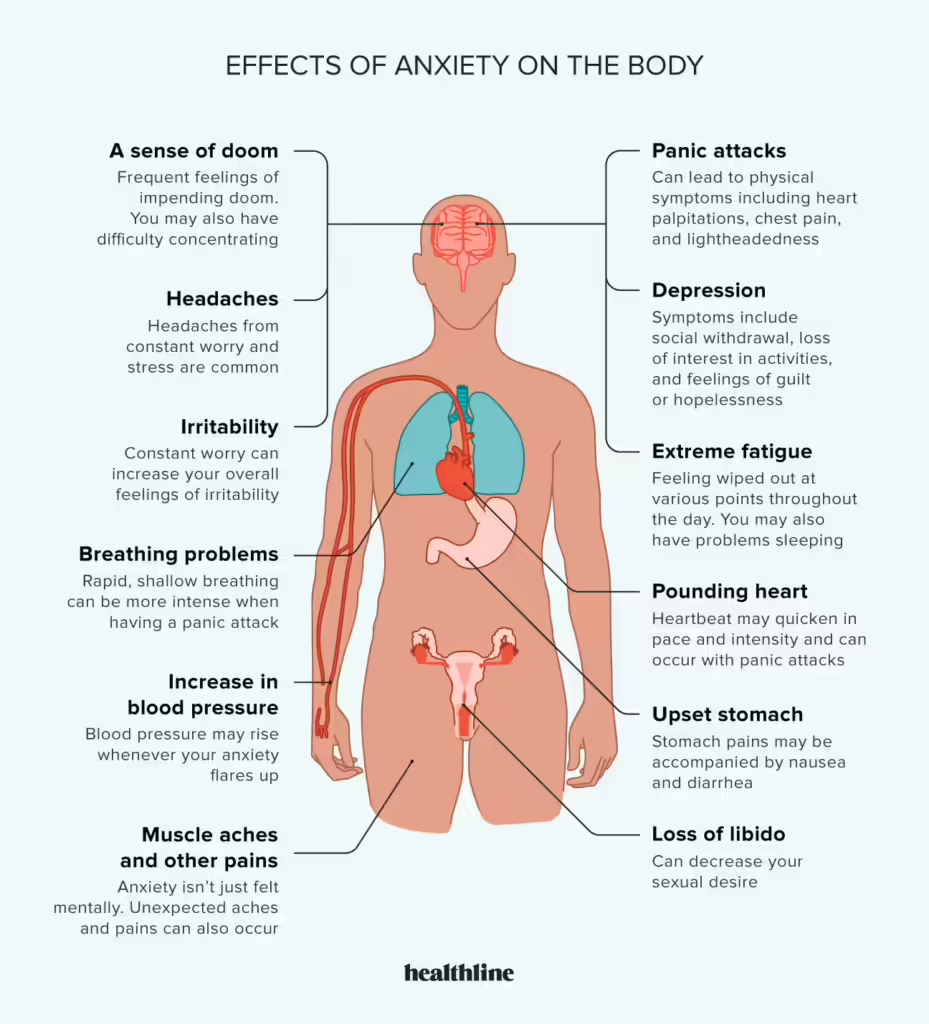
Insomnia anxiety is a unique form of anxiety that manifests at night and is characterized by specific physical symptoms. While it’s not exclusive to individuals with anxiety disorders, people who are typically calm during the day may experience heightened anxiety at night.
In this article, we’ll delve into the world of insomnia anxiety, exploring its causes, symptoms, and natural remedies. We’ll also discuss how lifestyle changes can help alleviate these issues.
What is Insomnia Anxiety?
Insomnia anxiety is a type of anxiety that occurs only when you’re in bed or trying to fall asleep. It’s not just a general feeling of nervousness; it’s a specific phenomenon that affects people differently. The symptoms are often physical, and they can be debilitating if left untreated.
Sensing the Symptoms
The first signs of insomnia anxiety may start during the day, as you begin to feel more anxious than usual. As the evening approaches, your worries escalate, making it difficult to relax. You might experience:
- Restless nights: Your mind is racing, making it hard to fall asleep or stay asleep.
- Physical symptoms: You may feel hot flashes, palpitations, shortness of breath, and tremors.
- Difficulty concentrating: Insomnia anxiety can affect your ability to focus during the day.
Understanding the Causes
Insomnia anxiety is often linked to underlying psychological issues, such as:
- Unresolved conflicts: Unaddressed emotional baggage can contribute to insomnia anxiety.
- Stress and pressure: Ongoing stress at work or in personal life can lead to insomnia anxiety.
- Lack of relaxation techniques: Failing to develop healthy coping mechanisms can exacerbate insomnia anxiety.
Natural Remedies for Insomnia Anxiety
While there’s no magic cure, incorporating these natural remedies into your daily routine may help alleviate symptoms:
- Mindfulness meditation: Regular mindfulness practice can reduce stress and anxiety.
- Yoga and stretching: Gentle exercises can promote relaxation and improve sleep quality.
- Herbal teas: Certain teas like chamomile and lavender can calm the mind and body before bedtime.
Finding the Right Solution
Consulting a healthcare professional or a licensed therapist can help you identify underlying causes and develop a personalized plan to address insomnia anxiety. A combination of natural remedies, lifestyle changes, and therapy may be necessary to find relief from these symptoms.
FAQs
Q: What is the most effective way to manage insomnia anxiety?
A: A combination of mindfulness meditation, yoga, and herbal teas can help alleviate symptoms.
Q: Can stress and pressure contribute to insomnia anxiety?
A: Yes, ongoing stress at work or in personal life can exacerbate insomnia anxiety.
Q: How long does it take to see results from natural remedies for insomnia anxiety?
A: Results may vary depending on individual circumstances. With consistent practice and patience, relief from symptoms can be achieved.
Q: Can insomnia anxiety be treated without medication?
A: While some people may choose not to take medication, consulting a healthcare professional or therapist is essential to address underlying causes and develop a personalized plan.
Q: What are the benefits of practicing yoga for insomnia anxiety?
A: Yoga can help reduce stress, improve sleep quality, and promote relaxation.
Q: How can I incorporate mindfulness meditation into my daily routine?
A: Start with short sessions (5-10 minutes) and gradually increase duration as you become more comfortable with the practice.
Lifestyle Changes
In addition to natural remedies and therapy, making lifestyle changes can help alleviate insomnia anxiety. Here are some suggestions:
- Establish a bedtime routine: Develop a calming pre-sleep routine, such as reading or taking a warm bath.
- Create a sleep-conducive environment: Make your bedroom a sleep sanctuary by ensuring it’s dark, quiet, and cool.
- Exercise regularly: Regular physical activity can help reduce stress and improve sleep quality.
- Limit caffeine and electronics before bedtime: Avoid stimulating activities before bed to promote relaxation.
Conclusion
Insomnia anxiety is a complex issue that requires patience, understanding, and professional guidance. By recognizing the symptoms, causes, and natural remedies for insomnia anxiety, you can take the first steps towards finding relief from these debilitating symptoms. Remember to consult with a healthcare professional or licensed therapist to develop a personalized plan tailored to your needs.
Additional Resources
- National Sleep Foundation: A comprehensive resource on sleep and insomnia.
- Anxiety and Depression Association of America (ADAA): A trusted source for information on anxiety disorders, including insomnia anxiety.
- Mindfulness meditation apps like Headspace and Calm: Guided meditation sessions can help you develop a mindfulness practice.
By exploring these resources and incorporating natural remedies, lifestyle changes, and therapy into your daily routine, you can find relief from insomnia anxiety and improve your overall well-being.


