
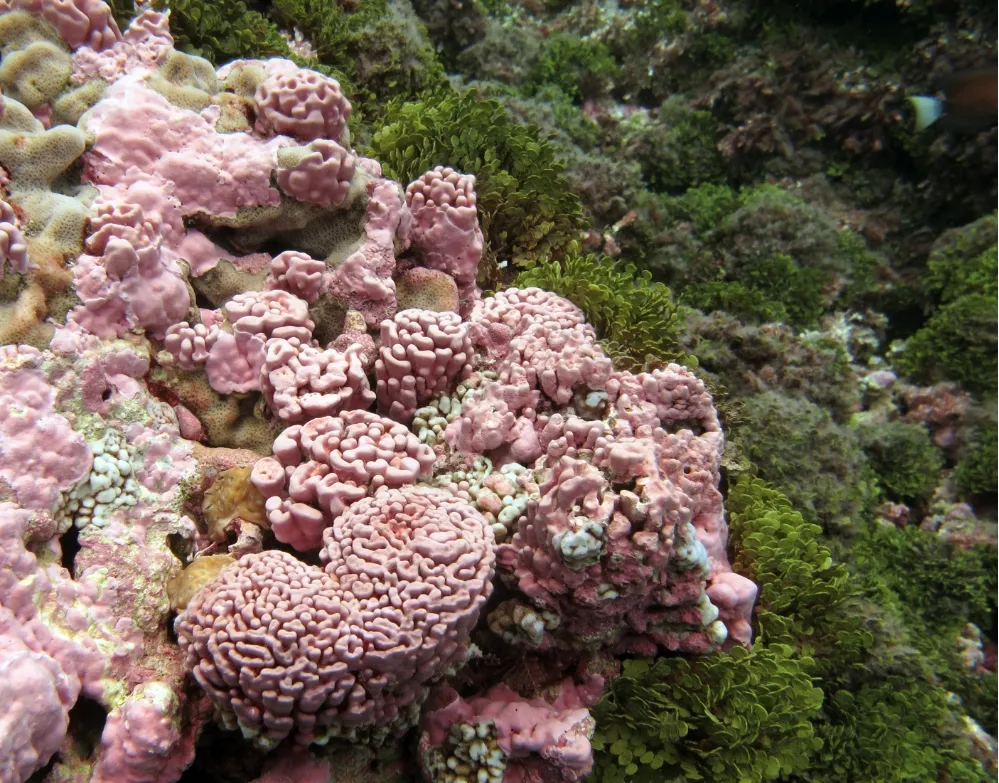
Coral algae, also known as coral calcaree or coral incrusting algae, refer to a vast number of species of red algae. These distinctive red algae are characterized by the presence of calcium carbonate deposits within their cell walls. In this article, we will delve into the world of coral algae, exploring their importance in marine ecosystems, types, and how to care for them in aquariums.
What are Coral Algae?
Coral algae are a type of red algae that are known for their vibrant colors and unique structure. They are characterized by the presence of calcium carbonate deposits within their cell walls, which give them a distinctive appearance. Coral algae can be found in oceans worldwide, from shallow tide pools to deep-sea environments.
The Importance of Coral Algae in Marine Ecosystems
Coral algae play a vital role in the ecology of coral reefs, serving as a crucial food source for various marine animals such as sea urchins, parrotfish, and chitons. These organisms rely on coral algae for sustenance, and in return, they help to maintain the health of the reef by preventing overgrowth.
In addition to providing sustenance for these creatures, coral algae also play a key role in maintaining the structure and stability of coral reefs. Coral algae can form complex networks of symbiotic relationships with other organisms, such as corals and sponges, which helps to create a diverse and dynamic ecosystem.
Types of Coral Algae
There are over 1600 species of red algae commonly referred to as coral algae. These can be classified into different subfamilies based on specific characteristics. The most common species found in aquariums come in various shades of red and can be stratified, covering rocks and other surfaces.
Some popular species of coral algae include:
- Peyssonnelia sp.: Known for its vibrant red color and ability to form complex networks with other organisms.
- Mesophyllum mesomorphum: A species that can form striking purple and violet colors.
- Lithocystis spp.: A group of species that are known for their distinctive, swirling patterns.
Coral Algae in Natural Environments
Coral algae are present in oceans worldwide, with some species thriving in freshwater environments as well. However, only one species is known to live in pure water. In natural environments, coral algae play a key role in maintaining the balance of the ecosystem and supporting biodiversity.
In addition to their importance in marine ecosystems, coral algae also have a significant impact on human activities such as tourism and fishing. Coral reefs are home to an incredible array of marine life, including many species that are important for commercial fisheries.
Caring for Coral Algae in Aquariums
To encourage the growth of coral algae in your aquarium, it’s essential to provide a suitable environment. This includes:
- Medium-low lighting: Coral algae require low levels of light to undergo photosynthesis and grow.
- High levels of calcium (above 400 mg/l): Calcium is an essential nutrient for coral algae, which use it to build their cell walls.
- Elevated magnesium levels: Magnesium is also important for the growth of coral algae, and high levels can help to promote healthy growth.
- Higher than normal alkalinity levels (above 3 meq/l or pH above 8): Coral algae require a slightly alkaline environment to thrive.
- Addition of iodine: Iodine is an essential nutrient for coral algae, which use it to produce thylakoids and other organelles.
Balancing the Coral Algae “Triade”
To promote healthy growth, it’s crucial to maintain a balance of calcium, magnesium, and alkalinity levels. Regular testing of these elements will help ensure optimal conditions for your coral algae.
A balanced triade is essential for promoting healthy coral algae growth. Calcium, magnesium, and alkalinity must be maintained at levels that support the growth and development of coral algae.
Minimizing Fertilizers and Nitrates
Lowering fertilizer and nitrate levels can aid in the growth of coral algae by reducing their antagonistic effects. This is particularly important for aquariums, where fertilizers and nitrates can build up over time and create an imbalanced environment.
By minimizing fertilizers and nitrates, you can help to promote healthy coral algae growth and maintain a balanced ecosystem.
Boosting Coral Algae Growth with Supplements
Certain supplements, such as Coralline Gro, can be added to promote healthy coral algae growth. However, these should be introduced gradually and in moderation to avoid imbalances.
Coralline Gro is a popular supplement that contains nutrients such as calcium, magnesium, and iodine. It’s designed to support the growth of coral algae and other marine organisms.
Identifying and Addressing Sbiancamento (White-Algal Syndrome)
Sbiancamento is a phenomenon where coral algae turn white due to an imbalance in minerals or biological factors. To address this issue, it’s essential to monitor calcium, magnesium, and alkalinity levels while also considering other potential causes such as the introduction of new bacteria or changes in food sources.
Common Causes of Sbiancamento
There are several common causes of Sbiancamento, including:
- Imbalanced mineral levels: An imbalance in calcium, magnesium, and alkalinity can cause coral algae to turn white.
- Biological factors: Changes in water temperature, pH, or other biological factors can also contribute to Sbiancamento.
Prevention is the Best Medicine
To prevent Sbiancamento and promote healthy coral algae growth, it’s essential to maintain a balanced ecosystem. Regular testing of minerals and nutrients will help ensure optimal conditions for your coral algae.
By understanding the importance of coral algae, their types, and how to care for them, aquarium enthusiasts can create thriving marine ecosystems that showcase these incredible organisms.
Conclusion
Coral algae are an integral part of marine ecosystems, providing sustenance for various marine animals and maintaining the structure and stability of coral reefs. By understanding their importance, types, and how to care for them, aquarium enthusiasts can create a balanced ecosystem that supports biodiversity and promotes healthy growth.
By following the guidelines outlined in this article, you can help to promote healthy coral algae growth and maintain a thriving marine ecosystem. Whether you’re an experienced aquarist or just starting out, understanding coral algae is essential for creating a balanced and sustainable aquarium environment.


