
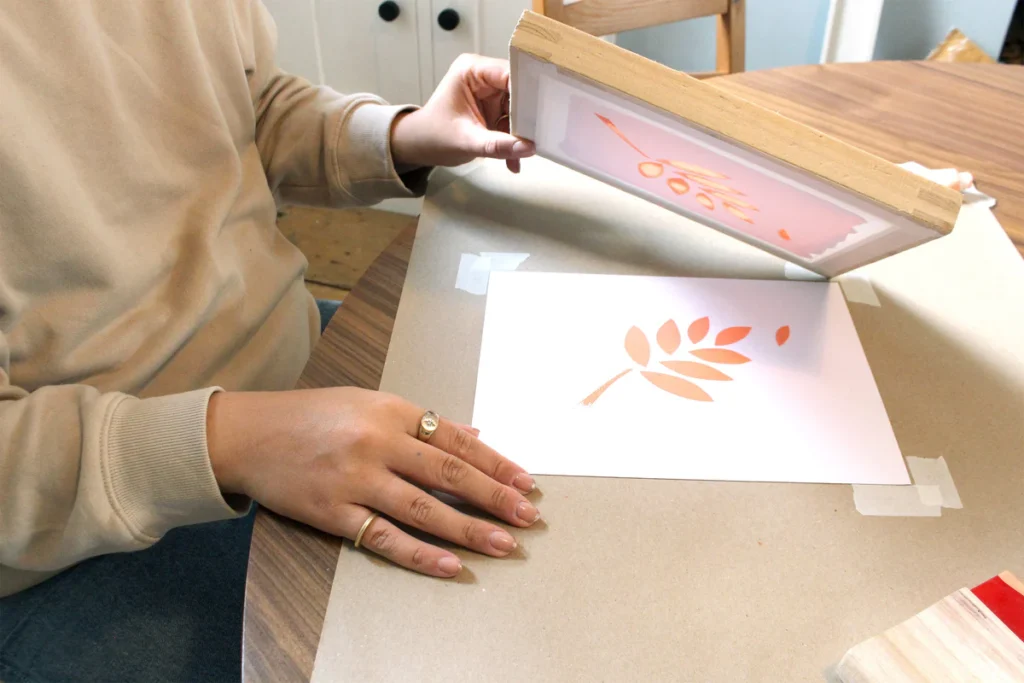
Serigraphy, a printing technique used to create custom designs on various materials, has been gaining popularity in recent years. This article will delve into the world of serigraphy, exploring its history, applications, and the benefits of using this method for self-printing.
What is Serigraphy?
The term “serigraphy” originates from the Latin words “seri,” meaning “silk,” and “γράφειν,” meaning “to write.” This refers to the first materials used in serigraphy, which were silk fabrics. Today, serigraphy is used for a wide range of applications, including printing on paper, fabric, and even metal.
Serigraphy: A Versatile Printing Technique
Serigraphy involves using a special ink that penetrates the material being printed, creating a unique design. This technique is particularly useful when high-quality prints are required, as it allows for precise control over the color and texture of the final product.
History of Serigraphy
The history of serigraphy dates back to ancient China, where silk was first used as a printing medium. From there, serigraphy spread to other parts of Asia and eventually made its way to Europe, where it became popular in the 19th century.
Applications of Serigraphy
Serigraphy has a wide range of applications, including:
- Artistic expression: Serigraphy is often used by artists to create unique and beautiful designs.
- Fashion design: Serigraphy is commonly used in fashion to create custom prints on clothing and accessories.
- Packaging: Serigraphy can be used to create eye-catching packaging for products.
Benefits of Using Serigraphy for Self-Printing
There are several benefits to using serigraphy for self-printing, including:
- Cost-effective: Serigraphy is a cost-effective alternative to traditional printing methods.
- Customizable: Serigraphy allows for precise control over the color and texture of the final product.
- Unique designs: Serigraphy can be used to create unique and beautiful designs that are not possible with other printing techniques.
Setting Up Your Serigraphy Kit
To get started with serigraphy, you’ll need to set up a kit that includes various components. These may include:
- A frame or stretcher to hold the material in place
- A screen printing press (also known as a “spremitore”)
- Ink and a squeegee for applying the ink to the material
Creating Your Design
Before you can start printing, you’ll need to create your design. This can be done using a variety of techniques, including drawing or photographing an image. Once your design is complete, it’s time to transfer it onto the screen.
Transfer Process
The transfer process involves applying the design to the screen and then applying ink to the screen. The ink is then squeezed through the screen and onto the material, creating a unique print.
Tips for Successful Printing
To ensure successful printing, there are several things to keep in mind:
- Choose the right materials: Choose materials that are suitable for serigraphy, such as paper or fabric.
- Use high-quality ink: Use high-quality ink that is specifically designed for serigraphy.
- Follow proper transfer techniques: Follow proper transfer techniques to ensure a successful print.
Common Mistakes to Avoid
There are several common mistakes to avoid when using serigraphy for self-printing, including:
- Not preparing the material properly: Make sure the material is clean and dry before printing.
- Using low-quality ink: Use high-quality ink that is specifically designed for serigraphy.
- Not following proper transfer techniques: Follow proper transfer techniques to ensure a successful print.
Conclusion
Serigraphy is a versatile printing technique that offers a range of creative possibilities. Whether you’re looking to create custom designs or simply experiment with art, serigraphy has something to offer everyone.
Frequently Asked Questions (FAQs)
- What materials can be printed using serigraphy?
Serigraphy can be used to print on a wide range of materials, including paper, fabric, and metal. - How do I get started with serigraphy?
To get started with serigraphy, you’ll need to set up a kit that includes a frame, screen printing press, ink, and squeegee. You can then create your design using a variety of techniques. - What are the benefits of using serigraphy for self-printing?
Serigraphy is a cost-effective alternative to traditional printing methods, making it an attractive option for individuals who want to create custom designs without breaking the bank. - Can serigraphy be used for large-scale printing jobs?
Yes, serigraphy can be used for large-scale printing jobs. In fact, many companies use this technique to produce high-quality prints on a variety of materials. - Is serigraphy suitable for all types of designs?
While serigraphy is versatile enough to accommodate a wide range of designs, some may require special preparation or treatment before they can be printed successfully.
By understanding the basics of serigraphy and its various applications, you’ll be better equipped to explore this fascinating printing technique. Whether you’re looking to create custom designs or simply experiment with art, serigraphy has something to offer everyone.


