
Introduction
When it comes to choosing the perfect flooring for your home or business, there are many options available. One option that has gained popularity in recent years is terracotta flooring. Made from natural materials, terracotta flooring offers numerous benefits that make it an attractive choice for those looking for a durable and sustainable alternative to traditional flooring options.
What is Terracotta Flooring?
Terracotta flooring is made from natural clay, which is sourced from quarries and processed into bricks or tiles. The process of creating terracotta flooring involves several stages, including the selection of high-quality clay, mixing with water to create a workable paste, shaping into desired forms, and then firing in a kiln at extremely high temperatures.
The Benefits of Terracotta Flooring
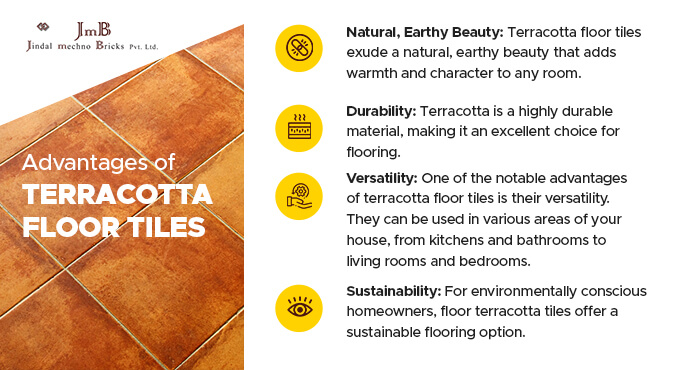
Terracotta flooring offers several benefits that make it an attractive choice for homeowners and businesses. Some of the most significant advantages include:
- Durability: Terracotta flooring is incredibly durable and can withstand heavy foot traffic, making it perfect for high-traffic areas such as commercial spaces.
- Sustainability: Made from natural materials, terracotta flooring is a sustainable option that reduces the carbon footprint associated with traditional flooring materials.
- Aesthetic Appeal: Terracotta flooring offers a unique and beautiful aesthetic appeal that can add warmth and character to any room.
- Easy Maintenance: Terracotta flooring is easy to clean and maintain, making it perfect for busy households and commercial spaces.
The Costs of Terracotta Flooring
While terracotta flooring offers numerous benefits, it also comes with a higher upfront cost compared to traditional flooring options. The cost of terracotta flooring can vary depending on the quality, size, and installation costs. Here are some approximate costs associated with terracotta flooring:
- Terracotta Bricks: $50-$60 per square foot
- Terracotta Tiles: $40-$50 per square foot
Dealing with Counterfeit Terracotta Flooring
Unfortunately, counterfeit terracotta flooring is a common problem in the market. It’s essential to be aware of the risks associated with purchasing terracotta flooring from unverified sources.
How to Spot Fake Terracotta Flooring
Here are some tips to help you spot fake terracotta flooring:
- Check the Material: Genuine terracotta flooring is made from natural clay, while counterfeit products may be made from synthetic materials.
- Inspect the Quality: High-quality terracotta flooring should have a uniform texture and color. Counterfeit products often exhibit uneven textures or colors.
- Research the Supplier: Verify the supplier’s credentials and reputation before making a purchase.
Conclusion
Terracotta flooring offers numerous benefits that make it an attractive choice for homeowners and businesses. While it comes with a higher upfront cost, the durability, sustainability, aesthetic appeal, and easy maintenance make it a worthwhile investment. Be aware of the risks associated with purchasing counterfeit terracotta flooring and take steps to spot fake products.
Frequently Asked Questions
Q: What is the best type of clay to use for terracotta flooring?
A: The quality and composition of the clay used can significantly impact the durability and aesthetic appeal of terracotta flooring. Look for high-quality clays that are rich in minerals and have a uniform texture.
Q: Can I install terracotta flooring myself?
A: While it’s possible to install terracotta flooring yourself, it’s highly recommended to hire a professional installer who has experience with the material. Incorrect installation can lead to cracks, unevenness, or other issues.
Q: How do I clean and maintain terracotta flooring?
A: Terracotta flooring is easy to clean and maintain. Use a mild detergent and water to clean the surface, and avoid using harsh chemicals or abrasive materials that can damage the material.
Q: Can I use terracotta flooring in outdoor spaces?
A: Yes, terracotta flooring can be used in outdoor spaces, but it’s essential to take steps to protect it from extreme weather conditions. Use a waterproof sealant and ensure proper drainage to prevent water accumulation.
Q: Is terracotta flooring suitable for high-traffic areas?
A: Absolutely! Terracotta flooring is incredibly durable and can withstand heavy foot traffic, making it perfect for high-traffic areas such as commercial spaces or public buildings.
Q: Can I use terracotta flooring in rooms with high humidity?
A: While terracotta flooring can be used in rooms with high humidity, it’s essential to take steps to protect it from water damage. Use a waterproof sealant and ensure proper ventilation to prevent moisture buildup.
Q: Is terracotta flooring a sustainable option?
A: Yes, terracotta flooring is a sustainable option that reduces the carbon footprint associated with traditional flooring materials. It’s also made from natural materials and can be reused or recycled at the end of its lifespan.
Q: Can I use terracotta flooring in conjunction with other flooring materials?
A: Absolutely! Terracotta flooring can be paired with other flooring materials to create a unique and beautiful look. Consider combining it with hardwood flooring, tile, or carpet for a stylish and functional space.
Additional Benefits of Terracotta Flooring
In addition to its numerous benefits, terracotta flooring also offers several additional advantages that make it an attractive choice for homeowners and businesses. Some of these benefits include:
- Natural Insulation: Terracotta flooring provides natural insulation, which can help reduce heating and cooling costs.
- Improved Indoor Air Quality: The natural materials used to create terracotta flooring can improve indoor air quality by absorbing pollutants and releasing fresh oxygen.
- Increased Property Value: Terracotta flooring can increase property value by adding a unique and beautiful aesthetic appeal to any room.
Common Mistakes to Avoid When Installing Terracotta Flooring
When installing terracotta flooring, there are several common mistakes that homeowners and businesses can make. Some of these mistakes include:
- Incorrect Installation: Incorrect installation can lead to cracks, unevenness, or other issues with the flooring.
- Insufficient Preparation: Failing to properly prepare the subfloor can lead to poor adhesion and a short lifespan for the flooring.
- Inadequate Maintenance: Failing to clean and maintain terracotta flooring regularly can lead to damage and discoloration.
Tips for Choosing the Right Terracotta Flooring
Choosing the right terracotta flooring can be challenging, but there are several tips that homeowners and businesses can use to make an informed decision. Some of these tips include:
- Consider the Climate: The climate where the flooring will be installed should be considered when selecting terracotta flooring.
- Choose High-Quality Materials: Choosing high-quality materials is essential for creating a durable and long-lasting flooring surface.
- Research Local Suppliers: Researching local suppliers can help homeowners and businesses find reliable sources of high-quality terracotta flooring.
Conclusion
Terracotta flooring offers numerous benefits that make it an attractive choice for homeowners and businesses. While it comes with a higher upfront cost, the durability, sustainability, aesthetic appeal, and easy maintenance make it a worthwhile investment. Be aware of the risks associated with purchasing counterfeit terracotta flooring and take steps to spot fake products. Additionally, consider the additional benefits of terracotta flooring, such as natural insulation, improved indoor air quality, and increased property value.


