
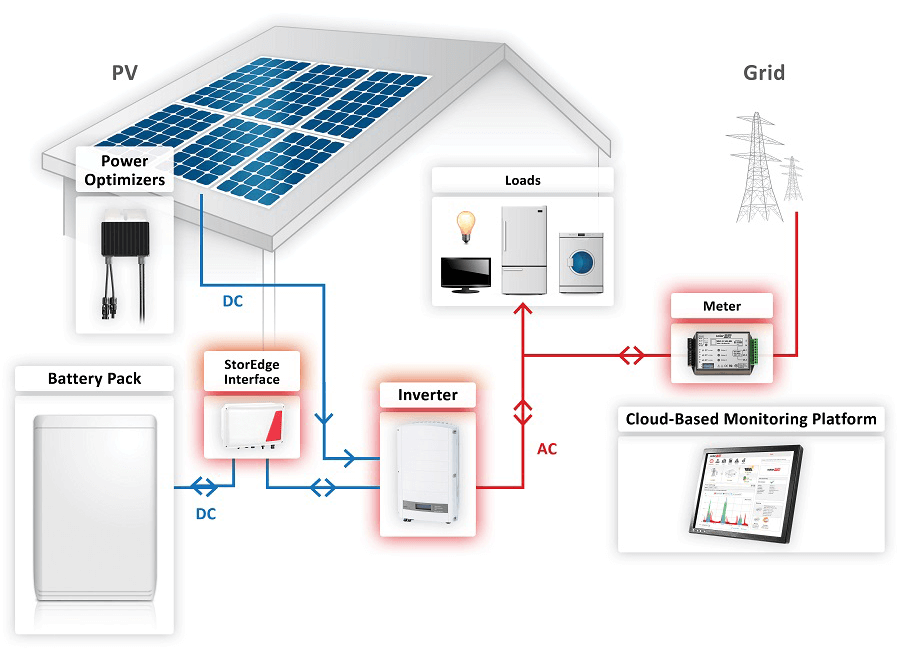
As the world shifts towards a more sustainable future, one of the key factors that will drive this transition is the integration of renewable energy sources into our daily lives. Solar power, in particular, has gained significant traction as a clean and efficient source of energy. However, to fully realize its potential, we need to address the issue of energy storage.
What is Energy Storage?
The concept of energy storage refers to the ability to store and reuse energy generated by renewable sources, such as solar power. This technology has the potential to revolutionize the way we think about energy production and consumption. By storing excess energy during periods of high production, we can reduce our reliance on fossil fuels and minimize our carbon footprint.
The Need for Energy Storage in Solar Power Systems
As more and more people turn to solar power as a source of clean energy, the need for energy storage solutions becomes increasingly pressing. Currently, solar panels can only generate electricity during daylight hours, making it essential to have a way to store excess energy for use at night or on cloudy days.
This is where energy storage comes in – a solution that can help bridge the gap between renewable energy generation and demand. By storing excess energy, we can reduce our reliance on grid power and ensure a stable supply of electricity even when the sun isn’t shining.
The Challenges of Energy Storage
Despite the potential benefits of energy storage, there are several challenges that need to be addressed. One major challenge facing the energy storage market is the high cost of batteries. The current prices of energy storage systems are prohibitively expensive, making them inaccessible to many individuals and businesses.
This high upfront cost is a significant barrier to adoption, particularly for households and small businesses that may not have the financial resources to invest in energy storage solutions. However, as technology continues to evolve and costs decrease, we can expect to see more widespread adoption of energy storage systems.
Innovative Solutions: Batteries for Solar Power Systems
Despite the challenges, innovative solutions are emerging that could change the game. Companies like Panasonic and Koyocera are developing advanced battery technologies that can store energy generated by solar panels for extended periods.
- Panasonic’s Energy Storage E3 DC: This system uses batteries with a lifespan of 20 years, making it an attractive option for homeowners who want to harness the power of solar energy.
- Koyocera’s Kyocera Solar System: This high-capacity battery system is paired with high-power photovoltaic modules, making it ideal for large-scale solar installations.
These innovative solutions demonstrate that energy storage can be a game-changer for solar power systems. By storing excess energy generated by solar panels, we can reduce our reliance on fossil fuels and contribute to a cleaner, healthier environment.
SMA Solar Technology’s Inverter-Integrated Batteries
Another innovative solution comes from SMA Solar Technology, which has developed an inverter that integrates a battery, allowing homeowners to generate surplus energy and feed it back into the grid.
- Sunny Boy Smart Energy: This system features a 2-kWh battery that can power a household for three hours, providing a reliable source of energy during periods of high demand.
This technology has significant benefits for households and businesses that want to optimize their energy usage. By generating surplus energy during the day and storing it in batteries, we can reduce our reliance on grid power and minimize our carbon footprint.
The Future of Energy Storage
As the cost of batteries continues to drop, we can expect to see more widespread adoption of energy storage solutions. With the potential to store excess energy generated by solar panels, homeowners and businesses can reduce their reliance on fossil fuels and contribute to a cleaner, healthier environment.
In fact, many countries are already investing heavily in energy storage technologies as part of their efforts to transition to renewable energy sources. For example, China has set ambitious targets for renewable energy production and energy storage, while the European Union is investing millions of euros in research and development of new battery technologies.
FAQs: Energy Storage for Solar Power Systems
- Q: What are the benefits of energy storage for solar power systems?
A: Energy storage allows households and businesses to harness excess energy generated by solar panels during daylight hours, reducing their reliance on fossil fuels and lowering energy costs. - Q: How does energy storage work?
A: Energy storage works by storing excess energy generated by solar panels in batteries, which can be used later when the sun isn’t shining. - Q: What types of batteries are used in energy storage systems?
A: Batteries used in energy storage systems come in various forms, including lead-acid, lithium-ion, and nickel-metal hydride. - Q: How do I choose the right energy storage system for my home or business?
A: When choosing an energy storage system, consider factors such as your energy needs, available roof space, and budget to select the most suitable solution.
Conclusion
Energy storage is a game-changer for solar power systems, offering a reliable way to harness excess energy generated by renewable sources. As technology continues to evolve and costs decrease, we can expect to see more widespread adoption of energy storage solutions, driving us towards a cleaner, healthier future.
In conclusion, energy storage is a crucial component of the transition to a sustainable future. By storing excess energy generated by solar panels, we can reduce our reliance on fossil fuels and contribute to a cleaner, healthier environment. As the technology continues to evolve and costs decrease, we can expect to see more widespread adoption of energy storage solutions, driving us towards a brighter future for all.


