
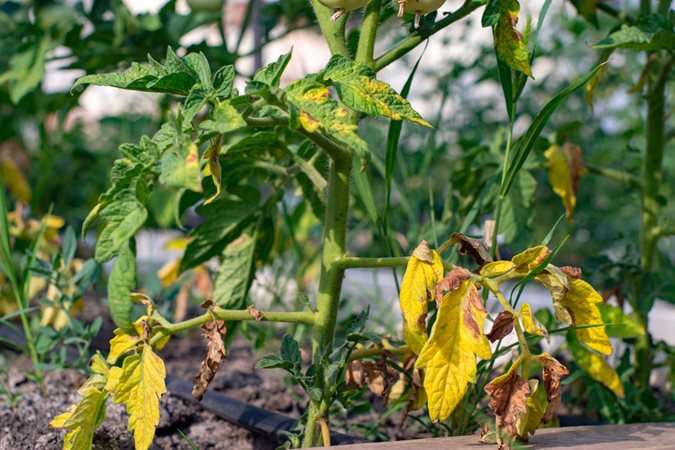
Understanding and Addressing Yellow Leaves on Tomatoes: A Comprehensive Guide
Introduction
As a gardener, there’s nothing more frustrating than seeing yellow leaves on your tomato plants. But before you jump to conclusions about fungal diseases or parasites, let’s take a closer look at the possible causes. Are they related to practical agricultural mistakes or nutritional deficiencies?
Soil Moisture: The Silent Killer
Low soil moisture is one of the main causes of leaf yellowness on tomatoes. Watering your tomato plants regularly is crucial to prevent this issue. However, be careful not to overwater or underwater them. If you water heavily one day and then stop for two or three days, it can cause significant stress on the plant.
How Water Stress Affects Tomato Plants
Water stress can lead to:
- Reduced growth rates: Water-stressed plants may not produce as many leaves or fruits.
- Increased susceptibility to pests and diseases: Water-stressed plants are more vulnerable to attacks from pests and diseases.
- Nutritional deficiencies: Water-stressed plants may not absorb essential nutrients efficiently.
Nutritional Deficiencies: The Neglected Cause
Tomato diseases often focus on fungal infections or parasites, but nutritional deficiencies are often overlooked. Fertilizers can be a valuable tool to improve yields, but they also play a crucial role in providing essential micronutrients.
The Importance of Micronutrients
Micronutrients like potassium, magnesium, calcium, and nitrogen are vital for plant growth. Deficiencies in these nutrients can cause yellow leaves, white leaves, or specific vein discoloration.
Symptoms of Nutritional Deficiencies
- Yellow leaves: This is one of the most common symptoms of nutritional deficiencies.
- White leaves: Some micronutrient deficiencies may cause the leaves to turn white or pale.
- Vein discoloration: Certain micronutrient deficiencies can cause veins on the underside of the leaf to become discolored.
Fungal Diseases: The Spotted Menace
Fungal diseases can indeed cause leaf yellowness, but they typically manifest with yellow or orange spots on the leaves. If your tomato plants have yellow leaves with spots, it could be a fungal disease like Septoria. In this case, removing infected leaves and treating the plants with a copper-based product may help.
Recognizing Fungal Diseases
Fungal diseases often:
- Appear as small, yellow or orange spots on the leaves.
- Can cause black spots to develop if left untreated.
Prevention is Key
To prevent yellow leaves on your tomato plants, focus on regular watering, fertilization, and monitoring for signs of fungal diseases or plant stress.
Tips for a Healthy Tomato Crop
- Water your tomato plants regularly, avoiding overwatering.
- Fertilize with a balanced fertilizer suitable for tomatoes.
- Monitor your plants for signs of fungal diseases or plant stress.
- Provide shade for your plants during hot weather.
Conclusion
Yellow leaves on tomato plants can be caused by various factors. By understanding the causes and taking preventative measures, you can promote healthy growth and maximize your harvest.
FAQs
- What is the primary cause of yellow leaves on tomato plants?
- Low soil moisture.
- Can fungal diseases cause leaf yellowness in tomatoes?
- Yes, but they typically manifest with yellow or orange spots on the leaves.
- How can I prevent yellow leaves on my tomato plants?
- Regular watering, fertilization, and monitoring for signs of disease or stress.
- What is the importance of micronutrients for plant growth?
- Micronutrients like potassium, magnesium, calcium, and nitrogen are vital for plant growth.
- Can I use a copper-based product to treat fungal diseases in tomatoes?
- Yes, but it’s essential to remove infected leaves and follow proper treatment guidelines.
- How can I prevent plant stress from excessive sun exposure?
- Provide shade for your plants during hot weather or use row covers to filter sunlight.
- Can yellow leaves on tomato plants be a sign of nutritional deficiencies?
- Yes, especially if the leaves are dry and brittle.
- What is the best way to fertilize tomatoes for optimal growth?
- Use a balanced fertilizer suitable for tomatoes, applying it according to the manufacturer’s instructions.
By understanding the causes of yellow leaves on tomato plants and taking preventative measures, you can promote healthy growth and maximize your harvest. Regular monitoring and adjustments will help you identify potential issues early on, ensuring a bountiful and nutritious crop.


