
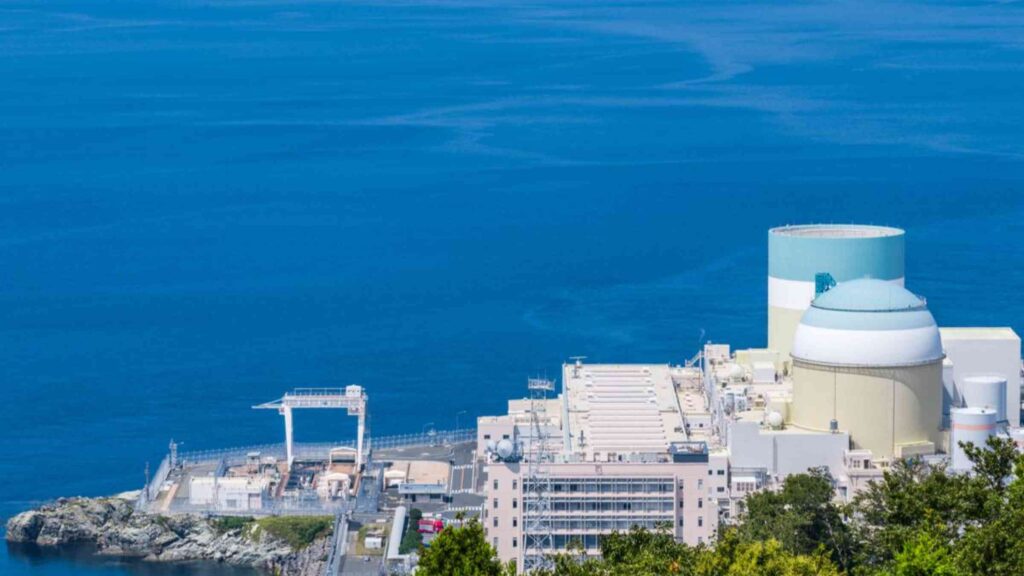
Nuclear Power Plants at Risk of Tsunami: A Growing Concern
The threat of tsunamis poses a significant risk to nuclear power plants located along the western coast of North America, Spain, and Portugal. According to a recent study conducted by researchers at the University’s Center for Disaster Epidemiology (CRED), there are 74 potentially hazardous nuclear reactors scattered across 23 nuclear power plants in tsunami-prone zones.
Understanding the Risks
The study highlights the dangers of these 23 nuclear power plants with 74 reactors. Not all reactors are currently operational, some are under construction, and others are being decommissioned. The locations of these plants pose a high risk due to their proximity to coastlines prone to tsunamis.
Tsunami-Prone Areas
The researchers have identified several areas at risk of tsunamis, including:
- Western Atlantic Coast
- Northern Africa Coast
- Eastern Mediterranean Coast
These regions are susceptible to tsunami activity due to geological and oceanic factors. The study’s findings emphasize the need for nuclear power plants located in these areas to take proactive measures to mitigate risks.
Construction of Nuclear Reactors in High-Risk Areas
The majority of reactors under construction are located in China, with 19 of its 27 reactors being built in high-risk areas. Two reactors are currently being activated in Taiwan. In Japan, which experienced a devastating nuclear disaster in 2011, there are still 19 reactors at risk.
Growing Concerns
The Fukushima Daiichi nuclear disaster highlighted the need for greater caution and attention to safety standards. The project’s high safety standards were even higher than those used for new reactors in tsunami-prone areas. If such an incident were to occur elsewhere, with less effective regulations and infrastructure, the consequences would be severe.
Conclusion
With the potential for another nuclear disaster looming large, it is essential to prioritize caution and adopt proactive measures to mitigate risks. While developing renewable energy sources is crucial, establishing nuclear reactors in safer locations can also play a significant role in ensuring public safety.
Frequently Asked Questions
- What are the most tsunami-prone areas around the world?
- Western Atlantic Coast
- Northern Africa Coast
- Eastern Mediterranean Coast
- How many nuclear power plants and reactors are there in total?
- 23 nuclear power plants with 74 reactors.
- What is the primary cause of tsunami-related risks for nuclear power plants?
- High-risk areas due to proximity to coastlines prone to tsunamis.
- Can any location be considered safe from tsunami damage?
- No location can be completely risk-free, but certain regions are identified as having lower risks based on historical data and geological records.
Recommendations
- Develop nuclear reactors in safer locations
- Invest heavily in renewable energy sources
- Enhance safety standards for all nuclear facilities
To address the growing concerns surrounding tsunami-related risks to nuclear power plants, several steps can be taken:
- Enhanced Safety Measures: Implementing additional safety measures such as enhanced containment structures and emergency preparedness plans can help mitigate the impact of a potential disaster.
- Location Assessment: Conduct thorough assessments of potential locations for new nuclear reactors to identify areas with lower tsunami risks.
- International Cooperation: Encouraging international cooperation and sharing best practices in tsunami risk assessment and management can help ensure that all countries have access to the most up-to-date information and strategies for addressing these risks.
In conclusion, while developing renewable energy sources is crucial, establishing nuclear reactors in safer locations can also play a significant role in ensuring public safety. By taking proactive measures to mitigate risks and adopting enhanced safety standards, we can work towards minimizing the potential impact of tsunamis on nuclear power plants.
Additional Information
- Global Nuclear Power Plant Map: The study provides an interactive map showing the location of 23 nuclear power plants with 74 reactors in tsunami-prone zones. This resource can be accessed through the University’s Center for Disaster Epidemiology (CRED) website.
- Tsunami Risk Assessment Tools: Researchers have developed standardized tools to assess tsunami risk, which can be used by governments and industries to identify areas of high risk and develop mitigation strategies.
Future Research Directions
Further research is needed to fully understand the risks associated with nuclear power plants in tsunami-prone zones. Some potential areas for future study include:
- Geological Factors: Investigating the role of geological factors such as seismic activity, volcanic eruptions, and coastal erosion in determining tsunami risk.
- Social and Economic Impacts: Examining the social and economic impacts of a nuclear disaster on local communities and the broader society.
- Emergency Response Planning: Developing effective emergency response plans to address the unique challenges posed by nuclear disasters.
By continuing to advance our understanding of tsunami-related risks to nuclear power plants, we can work towards minimizing the potential impact of these disasters and ensuring public safety.


