
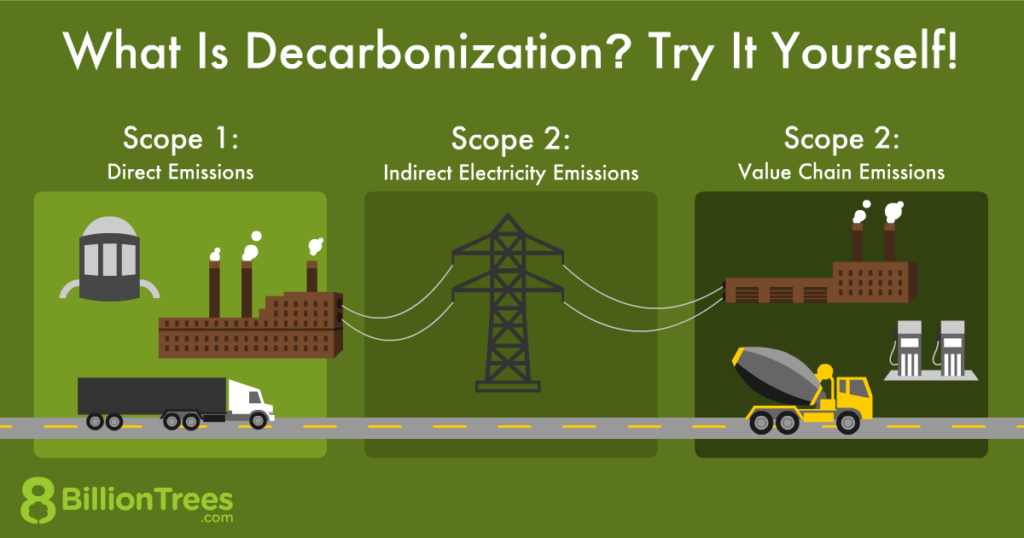
Decarbonization is a term that has become an integral part of our daily conversation when it comes to energy transition and renewable energies. But what does decarbonization really mean? In essence, it means the gradual substitution of fossil fuels (coal, natural gas, and oil) with renewable energy sources that have no negative environmental impact or mitigate existing emissions through initiatives like forestry or carbon capture and storage (CCS).
It’s essential to note that decarbonization is not a one-size-fits-all solution. Instead, it involves combining multiple solutions that take into account technological advancements, available economic resources, and the value of territory.
The True Significance of Decarbonization
The urgency surrounding decarbonization is undeniable. The current pace of change poses an existential threat to our planet. As UN Secretary-General António Guterres aptly put it in a COP27 speech: “We’re on a highway to hell with the pedal on the accelerator.” While we may not fully agree with this metaphor, it highlights the pressing need for immediate action.
The European Union’s FIT for 55 climate policy aims to reduce emissions by 55% by 2030 and strengthen innovation and competitiveness in the industry. The Repower UE plan of 2022 converges climate transition goals with energy security objectives, aiming to increase the share of renewable energy from 40% to 45%, biometanol production from 18 million metric tons to 35 million metric tons, and hydrogen usage (20 million tons per year).
Why Decarbonization is Crucial
The path to net-zero emissions is not just a matter of policy; it requires a collective effort. Decarbonization is essential for reducing global warming and slowing climate change. By transitioning to low-carbon processes and electricity generation, we can mitigate the impact of human activities on the environment.
Eni’s Approach to Decarbonization
As a leading energy company, Eni has adopted an holistic approach to decarbonization, focusing on reducing emissions across its entire product lifecycle. By leveraging various technologies and maintaining a neutral technological stance, Eni aims to minimize environmental impacts while promoting sustainable development.
Eni’s strategy involves integrating all available technologies to achieve carbon neutrality by 2050, in line with the UN’s Agenda 2030 and the Paris Agreement. The company has established the Sustainable B2B program to support decarbonization across various industries, accelerating energy transition and aligning Eni’s offerings with market demands.
Eni’s Role in Hydrogen Production and Usage
As a leading producer and user of hydrogen in Italy, Eni sees this vector as a critical tool for decarbonization. Today, hydrogen is used in industrial processes, such as chemistry and refining, and in difficult-to-electrify sectors like steel production, paper mills, and ceramic and glass manufacturing (hard-to-abate industries).
Eni aims to become a leader in the low-carbon hydrogen market by investing in international partnerships for autoconsumption and industrial applications – including the joint venture with Enel GreenPower to produce green hydrogen at Gela and Taranto. The company is also exploring mobility solutions, particularly heavy-duty transportation where battery technology falls short.
Challenges and Opportunities
While decarbonization presents numerous challenges, it also offers significant opportunities for growth, innovation, and economic development. However, the transition to a low-carbon economy requires careful planning, coordination, and cooperation among governments, industries, and civil society.
The integration of renewable energy sources, such as solar and wind power, into the grid poses technical challenges, including variability and intermittency. The storage of excess energy generated from these sources is also an essential component of a reliable and efficient energy system.
Hydrogen Production and Usage: A Key Component of Decarbonization
Hydrogen production and usage are critical components of decarbonization efforts. As a clean energy carrier, hydrogen can be used to power industrial processes, transportation, and even electricity generation.
However, the production of hydrogen requires significant amounts of energy, often generated from fossil fuels. This is known as the “carbon footprint” of hydrogen production. To mitigate this issue, hydrogen producers must adopt low-carbon technologies, such as electrolysis or green gasification, to produce clean hydrogen.
Electrification and Decarbonization
Electrification is another key component of decarbonization efforts. By transitioning from fossil fuels to electricity, we can reduce emissions and slow climate change.
However, the electrification of energy systems also poses significant challenges, including the integration of variable renewable energy sources into the grid. The development of smart grids and energy storage technologies will be essential in mitigating these challenges.
Decarbonization in Practice
Decarbonization is not just a theoretical concept; it’s being implemented on the ground through various initiatives and projects worldwide. From wind farms to solar parks, biomass power plants to hydrogen production facilities, decarbonization efforts are underway across multiple sectors and regions.
In Europe, the Energiewende (Energy Transition) program aims to reduce greenhouse gas emissions from energy production by 80% by 2050. The UK’s Industrial Decarbonisation Strategy sets out a vision for net-zero industrial emissions by 2035, while Germany’s Energy Act encourages the development of renewable energy sources and energy efficiency measures.
Conclusion
Decarbonization is no longer a distant goal; it’s an imperative. As we navigate this critical juncture, it’s essential to understand the complexities involved in transitioning to low-carbon energy sources.
By adopting a holistic approach and leveraging various technologies, companies like Eni can help drive the decarbonization process forward. The role of hydrogen production and usage in Italy is particularly promising, with opportunities for growth in both industrial applications and mobility solutions.
Frequently Asked Questions (FAQs)
- What does decarbonization mean exactly?
Decarbonization refers to the gradual substitution of fossil fuels with renewable energy sources that have no negative environmental impact or mitigate existing emissions through initiatives like forestry or carbon capture and storage (CCS). - Why is decarbonization urgent?
The current pace of change poses an existential threat to our planet, highlighting the need for immediate action to reduce global warming and climate change. - What is Eni’s approach to decarbonization?
Eni has adopted a holistic approach, focusing on reducing emissions across its entire product lifecycle, leveraging various technologies, and maintaining a neutral technological stance. - What role does hydrogen play in Eni’s strategy?
Hydrogen production and usage are critical components of Eni’s low-carbon energy strategy, with opportunities for growth in industrial applications and mobility solutions. - How can individuals contribute to decarbonization efforts?
Individuals can support decarbonization by adopting sustainable lifestyle choices, reducing energy consumption, and advocating for climate-friendly policies in their communities. - What are the benefits of a low-carbon hydrogen market?
A low-carbon hydrogen market offers numerous benefits, including reduced greenhouse gas emissions, improved air quality, and enhanced energy security. - How can companies support decarbonization efforts?
Companies can support decarbonization by adopting sustainable practices, investing in low-carbon technologies, and promoting climate-friendly policies. - What is the timeline for achieving carbon neutrality?
The goal of achieving carbon neutrality varies among organizations and countries, but many aim to reach net-zero emissions by 2050 or sooner.
Recommendations
- Invest in Low-Carbon Technologies: Governments and companies should invest in low-carbon technologies, such as renewable energy sources, energy efficiency measures, and carbon capture and storage (CCS).
- Promote Sustainable Practices: Companies and individuals can promote sustainable practices by adopting eco-friendly products, reducing waste, and conserving resources.
- Advocate for Climate-Friendly Policies: Governments should advocate for climate-friendly policies that support decarbonization efforts, such as tax incentives for renewable energy sources or subsidies for low-carbon technologies.
- Develop Smart Grids: The development of smart grids and energy storage technologies will be essential in mitigating the challenges associated with electrification and decarbonization.
- Support Decarbonization Education and Research: Governments and companies should support education and research initiatives that promote a better understanding of decarbonization efforts and the role of low-carbon technologies.
Final Thoughts
Decarbonization is no longer just a theoretical concept; it’s an imperative. As we navigate this critical juncture, it’s essential to understand the complexities involved in transitioning to low-carbon energy sources.
By adopting a holistic approach and leveraging various technologies, companies like Eni can help drive the decarbonization process forward. The role of hydrogen production and usage in Italy is particularly promising, with opportunities for growth in both industrial applications and mobility solutions.
Together, we can create a more sustainable future for generations to come.


