
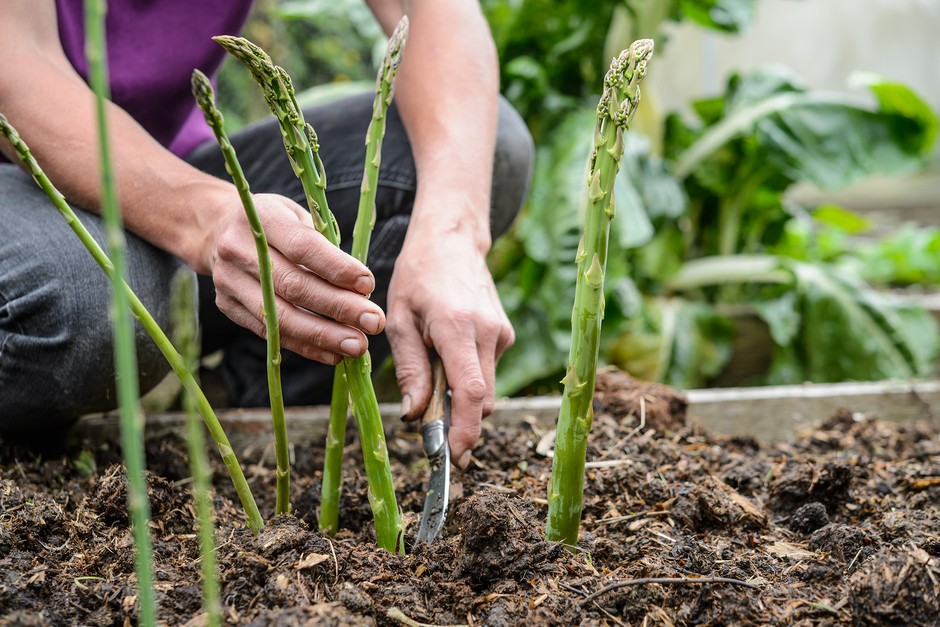
Asparagus is a highly sought-after crop in the world of agriculture, and cultivating it in your own garden can be a truly rewarding experience. With the right techniques and varieties, you can enjoy a bountiful harvest of delicious and tender asparagus spears. In this article, we’ll explore the benefits of growing asparagus in your own garden, discuss the different types of asparagus, and provide guidance on how to cultivate them.
Asparagus vs. Wild Asparagus
It’s worth noting that when we refer to “asparagus cultivated” in this context, we’re talking about all varieties grown in gardens, excluding wild asparagus (also known as Asparagus officinalis). While both types of asparagus can be delicious and nutritious, they have some key differences. Wild asparagus tends to be more fibrous and bitter, while cultivated asparagus is generally sweeter and more tender.
When to Plant Asparagus
The best time to plant asparagus depends on your location and climate. In general, it’s recommended to plant asparagus in the spring or early summer, when the soil has warmed up and the risk of frost has passed. You can also start by purchasing established roots (sets) or seedlings from a reputable nursery.
Choosing the Right Variety
There are many different types of asparagus to choose from, each with its own unique characteristics and growing requirements. Some popular varieties include:
- White Asparagus: This variety is known for its delicate white spears and requires a specific growing technique that involves shading the plants during the summer months.
- Green Asparagus: This is one of the most commonly cultivated varieties and produces delicious, tender spears in a range of green colors.
- Violet Asparagus: This variety has beautiful purple or violet-colored spears and is well-suited to growing in sunny, dry conditions.
Preparing the Soil
Before planting asparagus, it’s essential to prepare the soil properly. Asparagus prefers well-draining, sandy soils with a pH between 6.5 and 7.0. You can add compost or manure to improve soil fertility and structure.
Asparagus also requires adequate drainage, so make sure your garden bed drains well. If you’re planting in a low-lying area, consider raising the bed by 1-2 inches to improve drainage.
Planting Asparagus Roots
To plant asparagus roots, follow these steps:
- Dig holes that are about 12 inches deep and spaced about 12 inches apart.
- Place the roots in the holes, making sure the “crown” (where the roots meet the stem) is above the soil level.
- Cover the roots with soil and water well.
It’s also essential to plant asparagus at a depth of about 2-3 inches below the surface. This will help prevent the crown from drying out and ensure that the plants receive adequate moisture.
Growing Asparagus in Containers
While asparagus can be grown in containers, it requires a lot of space and specific growing conditions. You’ll need to use a large container (at least 40 cm deep and 35-40 cm wide) with good drainage holes. Make sure the soil is well-draining and fertile.
Asparagus in containers also requires more frequent watering, as the soil can dry out quickly. You may need to water your container-grown asparagus twice a day during hot summer months.
Asparagus vs. Wild Asparagus: What’s the Difference?
Wild asparagus has some key differences from cultivated asparagus:
- Flavor: Wild asparagus tends to be more bitter and fibrous, while cultivated asparagus is generally sweeter and more tender.
- Texture: Wild asparagus can have a coarser texture than cultivated asparagus.
- Growing conditions: Wild asparagus prefers poor soil and dry conditions, while cultivated asparagus requires well-draining, sandy soils with plenty of moisture.
Growing Asparagus in Shade
Asparagus can also be grown in shade, but it may require more frequent watering. White asparagus is particularly well-suited to growing in partial shade, as the shading helps to prevent excessive sunlight from burning the spears.
If you’re planting asparagus in a shaded area, make sure to provide enough moisture to keep the plants healthy and thriving. You can also use mulch to retain moisture and suppress weeds.
Growing Asparagus with Companion Plants
Asparagus can be grown alongside other companion plants, such as lettuce, spinach, and carrots. These plants have different growing requirements and can help to improve soil fertility and structure.
Some popular companion plants for asparagus include:
- Lettuce: Lettuce is a low-maintenance crop that can help to suppress weeds and retain moisture in the soil.
- Spinach: Spinach is another low-maintenance crop that can help to improve soil fertility and structure.
- Carrots: Carrots are a popular companion plant for asparagus, as they require similar growing conditions.
Tips for Harvesting Asparagus
Asparagus is typically ready to harvest about 6-8 weeks after planting. Here are some tips for harvesting your asparagus:
- Wait until the spears have reached their full length (usually around 6-12 inches).
- Use a sharp knife or snip off the spears with scissors.
- Harvest in the morning, when the spears are still tender and juicy.
Pest and Disease Management
Asparagus is susceptible to several pests and diseases, including:
- Aphids: Aphids are small, sap-sucking insects that can damage asparagus spears. Use neem oil or insecticidal soap to control aphid infestations.
- Slugs and snails: Slugs and snails can eat holes in asparagus spears. Use copper tape or crushed eggshells around the plants to deter these pests.
Asparagus is also susceptible to diseases like crown rot, which can cause yellowing leaves and stunted growth. Use a fungicide specifically designed for asparagus to control crown rot.
Conclusion
Growing asparagus in your own garden can be a rewarding experience, but it requires some special care and attention. By choosing the right variety, preparing the soil properly, and following proper planting techniques, you can enjoy a bountiful harvest of delicious and tender asparagus spears.
Whether you’re growing asparagus in containers or in the ground, make sure to provide enough moisture, sunlight, and nutrients for your plants to thrive. With these tips and guidelines, you’ll be well on your way to enjoying a bountiful harvest of this delicious and nutritious vegetable.
FAQs
- What is the best time to plant asparagus?
The best time to plant asparagus depends on your location and climate. In general, it’s recommended to plant asparagus in the spring or early summer. - How often should I water my asparagus plants?
Asparagus needs consistent moisture, especially during the first year after planting. Water your plants regularly, but make sure not to overwater. - Can I grow asparagus in containers?
Yes, you can grow asparagus in containers, but it requires a lot of space and specific growing conditions. - How do I care for my asparagus roots?
To care for your asparagus roots, follow these steps: - Keep the soil consistently moist
- Fertilize regularly with a balanced fertilizer
-
Mulch around the plants to retain moisture and suppress weeds
-
What is the difference between white and green asparagus?
White asparagus is known for its delicate white spears and requires a specific growing technique that involves shading the plants during the summer months. -
Can I grow wild asparagus in my garden?
Yes, you can grow wild asparagus in your garden, but it’s essential to note that it may be more challenging to cultivate than cultivated asparagus. -
How long does it take for asparagus to mature?
Asparagus typically takes 6-8 weeks to mature after planting. - Can I harvest my asparagus spears too early or too late?
Yes, you can harvest your asparagus spears too early (when they’re still tender) or too late (when the buds start to form).


