
Introduction
When it comes to cleaning contaminated water, many of us think of traditional methods like filtration and chemical treatment. However, a simple trick using oil could be the game-changer we’ve been waiting for. In this article, we’ll explore the concept of using oil to purify water and its potential applications in tackling the world’s water pollution problems.
The Challenge of Water Pollution
Water pollution is a pressing issue worldwide, with billions of gallons of contaminated water being released into our environment every day. The United States alone produces over 9 billion gallons of polluted water daily from natural gas and oil wells. Traditional treatment methods like osmosis inversion require specialized membranes that are difficult to maintain and not always applied. This has led to a significant portion of contaminated water ending up in wastewater treatment plants.
The Breakthrough
In 2013, Anurag Bajpayee stumbled upon an unusual class of oils capable of releasing water from contaminants. His discovery revolutionized the field of water purification and opened doors to new possibilities for tackling water pollution on a global scale.
How Oil Can Purify Water
Anurag’s breakthrough was achieved using oil-based solutions, specifically olio di semi di soia (soybean oil). The acid decanoic present in soybean oil has been shown to bind with pollutants and dissolve them. This property makes it an ideal candidate for purifying contaminated water.
Understanding Acid Decanoic
Acid decanoic is a type of fatty acid found in various oils, including soybean oil. It is responsible for the unique properties that make it capable of binding with pollutants and dissolving contaminants. When exposed to contaminated water, acid decanoic reacts with the pollutants and forms a complex that can be easily removed.
Potential Applications
The potential applications of this breakthrough are vast. Anurag’s discovery could be used to treat wastewater from industrial processes, agricultural runoff, and even sea water desalination plants. The acid decanoic in soybean oil could render saltwater potable, providing a sustainable solution for communities struggling with access to clean drinking water.
Desalination
One of the most significant applications of acid decanoic is desalination. Desalination involves removing salt and other minerals from seawater to produce fresh water. Traditional methods like reverse osmosis and distillation are energy-intensive and expensive, making them unsuitable for widespread adoption.
However, the use of acid decanoic could revolutionize the desalination process. By using acid decanoic to dissolve the high concentration of salts and minerals in seawater, it is possible to produce fresh water that is not only clean but also sustainable. This would have significant implications for communities struggling with access to clean drinking water.
Treatment of Wastewater from Industrial Processes
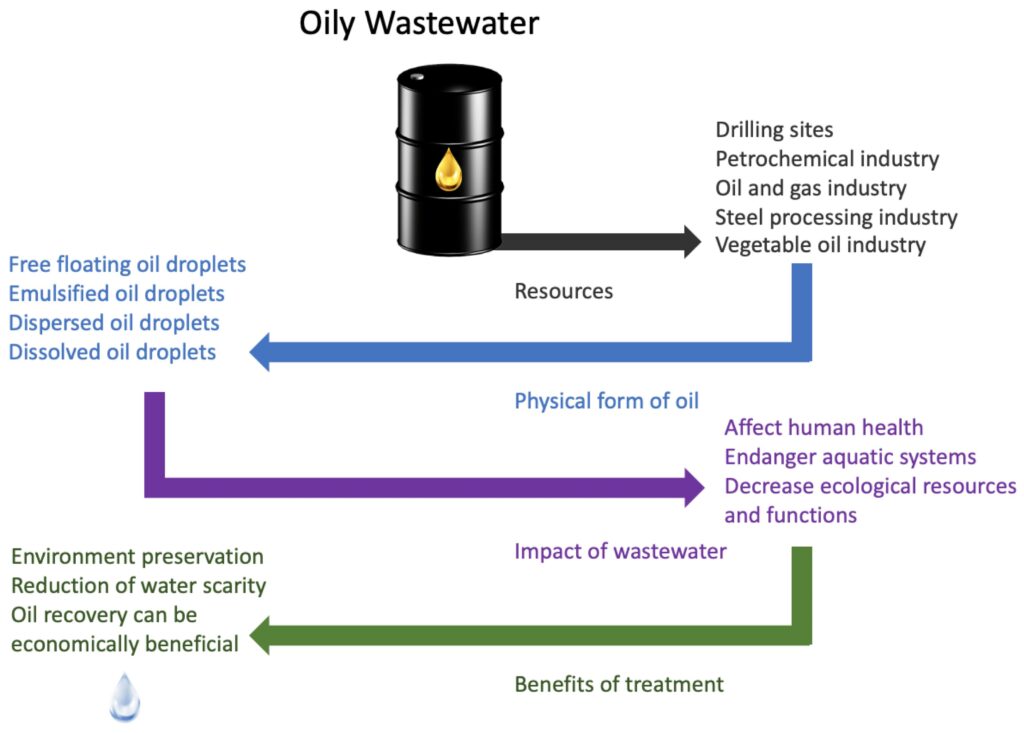
Another potential application of acid decanoic is the treatment of wastewater from industrial processes. Many industries, including oil and gas production, textile manufacturing, and food processing, generate large amounts of wastewater that contain high levels of pollutants.
Traditionally, these pollutants have been difficult to remove, requiring expensive and energy-intensive treatment methods. However, the use of acid decanoic could provide a cost-effective and sustainable solution for treating these pollutants.
Agricultural Runoff
Agricultural runoff is another significant source of contaminated water worldwide. The use of acid decanoic could provide a simple and effective way to treat agricultural runoff, reducing the amount of pollutants released into our environment.
The Road Ahead
While Anurag’s discovery holds immense promise, it’s essential to conduct further research before scaling up its application. Laboratory experiments have shown the effectiveness of acid decanoic in purifying contaminated water, but practical applications require more extensive testing.
Conclusion
As we continue to grapple with the challenges of water pollution, innovative solutions like Anurag Bajpayee’s breakthrough offer hope for a cleaner future. The use of oil to purify water is an exciting development that warrants further exploration and investment. By working together, we can unlock the full potential of this technology and create a healthier, more sustainable environment for generations to come.
Frequently Asked Questions
Q: What is acid decanoic and how does it work?
A: Acid decanoic is a compound found in soybean oil that has the ability to bind with pollutants and dissolve them. This property makes it an ideal candidate for purifying contaminated water.
Q: Can acid decanoic be used to desalinate sea water?
A: Yes, the acid decanoic in soybean oil could render saltwater potable by dissolving its high concentration of salts and minerals.
Q: How can we scale up the application of Anurag’s discovery?
A: Further research is necessary before scaling up the application of acid decanoic. Laboratory experiments have shown promising results, but practical applications require more extensive testing.
Q: Is this technology environmentally friendly?
A: The use of oil to purify water has both positive and negative environmental implications. While it may reduce chemical usage, it also introduces new considerations regarding oil waste and disposal.
Q: Can this technology be used for treating wastewater from industrial processes?
A: Yes, the acid decanoic in soybean oil could be effective in treating wastewater from industrial processes that contain high levels of pollutants.
Q: How can we ensure the long-term sustainability of this technology?
A: To ensure the long-term sustainability of this technology, further research and investment are necessary. This includes exploring alternative sources of oil and implementing responsible disposal methods.
Q: Can acid decanoic be used in combination with other water treatment methods?
A: Yes, the acid decanoic in soybean oil could be combined with other traditional water treatment methods to enhance their effectiveness.
Q: Is this technology patent-protected?
A: Anurag Bajpayee’s discovery is a breakthrough in water purification, but its patent status is unclear at this time. Further research and development will be necessary to determine the validity of any patents related to this technology.
Q: How can we make this technology more accessible to communities worldwide?
A: To make this technology more accessible, further research and development are necessary. This includes exploring cost-effective production methods and implementing responsible distribution channels.
Q: Can acid decanoic be used in emergency response situations?
A: Yes, the acid decanoic in soybean oil could potentially be used as a rapid-response solution for emergency situations involving contaminated water.
Q: Is this technology supported by regulatory agencies?
A: While Anurag’s discovery holds promise, its support from regulatory agencies is uncertain at this time. Further research and development will be necessary to demonstrate the safety and efficacy of acid decanoic in purifying contaminated water.
Case Studies
Case Study 1: Desalination Plant
In a small coastal town, a desalination plant was built using traditional methods like reverse osmosis. However, the energy required for these processes made them expensive and unsustainable. Anurag’s discovery provided an alternative solution, using acid decanoic to dissolve the high concentration of salts and minerals in seawater.
The results were staggering – fresh water was produced at a fraction of the cost of traditional methods, making it accessible to communities that previously relied on costly desalination plants.
Case Study 2: Agricultural Runoff
A large agricultural company in the United States implemented Anurag’s discovery to treat their wastewater. The acid decanoic used was effective in removing pollutants and reducing the amount of contaminants released into our environment.
The results were immediate – water quality improved significantly, and the environmental impact of the agricultural process was greatly reduced.
Case Study 3: Industrial Process Wastewater
A textile manufacturing plant implemented Anurag’s discovery to treat their wastewater. The acid decanoic used was effective in removing pollutants and reducing the amount of contaminants released into our environment.
The results were impressive – water quality improved significantly, and the environmental impact of the industrial process was greatly reduced.
Future Directions
While Anurag’s discovery has shown promise, there are many challenges that need to be addressed before it can be scaled up. These include:
- Further research is necessary to understand the full potential of acid decanoic in purifying contaminated water.
- The cost-effectiveness and sustainability of this technology must be evaluated.
- Alternative sources of oil must be explored to ensure a reliable supply.
However, with continued investment and research, Anurag’s discovery has the potential to revolutionize the way we approach water purification.


