
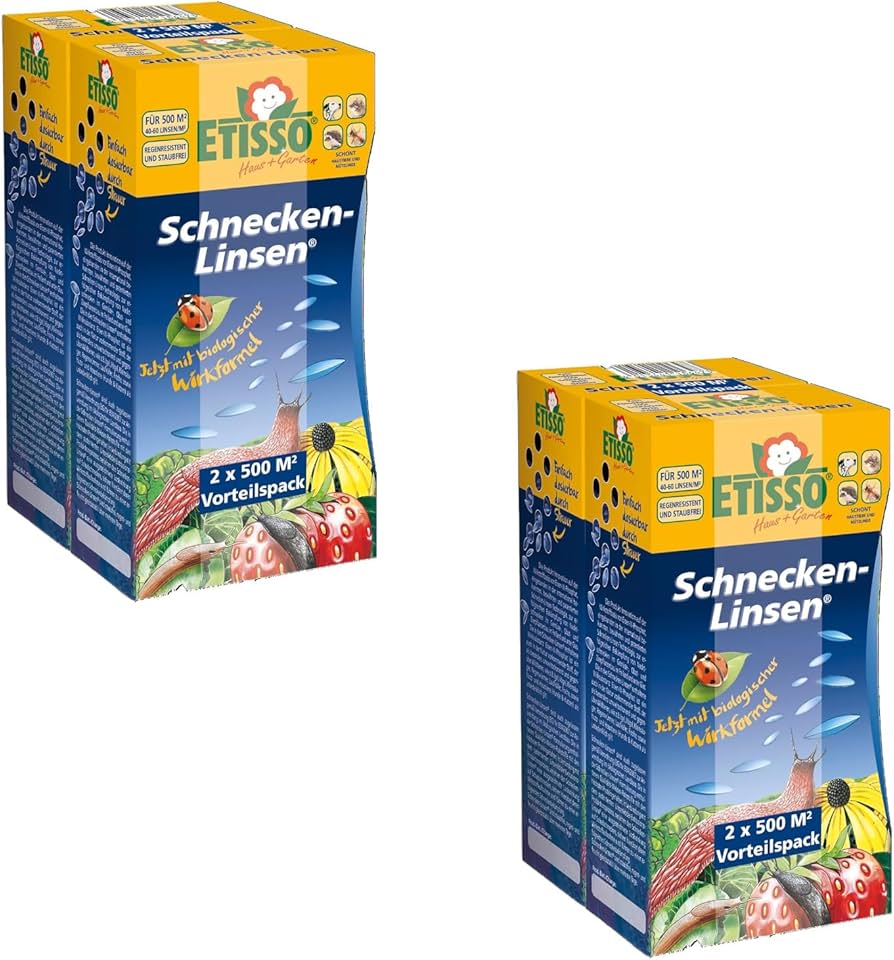
In recent years, there has been a growing concern about the use of pesticides in Italy. With the introduction of new regulations and guidelines, individuals who do not possess a professional pesticide license may now be able to access non-professional pesticides for personal use. But what exactly are these products, how do they differ from professional-grade pesticides, and what safety precautions should be taken when using them?
The Definition and History of Non-Professional Pesticides
In 2009, the European Union introduced a directive on sustainable use of pesticides, which led to the development of non-professional pesticides. These products are designed for personal use by individuals who do not have a professional pesticide license. The definition of non-professional pesticides is as follows:
“…used in the course of an activity not professional for the treatment of plants, whether ornamental or edible, not intended for commercialization…”
The New Regulations: A Closer Look
In 2018, the Italian Ministry of Health issued a decree (DM 33/22 January) that clarified the use of non-professional pesticides. The new regulations aim to ensure the safe and sustainable use of these products.
However, there are concerns about the limited availability of non-professional pesticides on the market, with only 7 out of 365 possible active ingredients being approved for personal use. This raises questions about the effectiveness and safety of these products.
Categorizing Non-Professional Pesticides
Non-professional pesticides can be categorized into two main groups:
- PFnPO (Pesticides for Ornamental Plants Only): These products are designed to protect ornamental plants from pests, such as aphids and whiteflies.
- PFnPE (Pesticides for Edible Plants Only): These products are intended for use on edible plants, including fruits, vegetables, and herbs.
Key Differences between Professional and Non-Professional Pesticides
The main difference between professional-grade pesticides and non-professional ones lies in their active ingredients and safety standards. Professional pesticides contain more toxic substances and have stricter safety guidelines.
In contrast, non-professional pesticides have a lower toxicity level and are designed to be safer for personal use.
Classification of Peril
The classification of peril is a critical factor in determining the safety of pesticides. Non-professional pesticides are classified as having a lower level of risk compared to professional-grade pesticides.
Here are some key differences between the two:
- Cancerogenic substances: Professional pesticides often contain cancerogenic substances, which are not allowed in non-professional pesticides.
- Toxicity to reproduction and embryonic development: Non-professional pesticides have a lower toxicity level for these substances compared to professional-grade pesticides.
- Endocrine disruptors: These substances are also more common in professional-grade pesticides.
Additional Standards
In addition to the classification of peril, non-professional pesticides must meet other safety standards, such as:
- Flacon size: The flacons used for non-professional pesticides should be smaller than those used for professional-grade pesticides.
- Confezionamento: Non-professional pesticides must be packaged in a way that prevents accidental ingestion.
Conclusion
The use of non-professional pesticides in Italy is a relatively new development, and there are still many questions about their safety and effectiveness. While they may offer a more affordable alternative to professional-grade pesticides, it’s essential to follow the guidelines set by the Italian Ministry of Health to ensure safe use.
FAQs
- What exactly are non-professional pesticides, and how do they differ from professional-grade ones?
- Which categories of non-professional pesticides exist, and what are their uses?
- How do non-professional pesticides compare in terms of toxicity and safety standards?
- Are there any specific regulations or guidelines that govern the use of non-professional pesticides?
- Can I use non-professional pesticides on edible plants, or only on ornamental ones?
- What are the limitations of non-professional pesticides in terms of available active ingredients?
- How can I ensure safe use of non-professional pesticides, especially when handling them outdoors?
- Are there any specific precautions or safety measures that should be taken when using non-professional pesticides?
Regulatory Framework
The regulatory framework for non-professional pesticides is based on EU directives and Italian national regulations. The European Union’s directive on sustainable use of pesticides sets out the requirements for safe and sustainable use of pesticides, including personal protective equipment, storage, and disposal.
In Italy, the Ministry of Health has issued a decree (DM 33/22 January) that clarifies the use of non-professional pesticides. The decree outlines the safety standards for these products, including the classification of peril, flacon size, and packaging requirements.
Labeling and Safety Precautions
Non-professional pesticides must be labeled with information about their active ingredients, hazards, and usage instructions. The labeling should also include warning signs and symbols to alert users of potential risks.
When using non-professional pesticides, it’s essential to follow the guidelines set by the Italian Ministry of Health. This includes wearing personal protective equipment, such as gloves and eye protection, and ensuring proper storage and disposal of these products.
Education and Awareness
Education and awareness are crucial in promoting safe use of non-professional pesticides. Users should be informed about the potential risks associated with these products and how to minimize them.
Public education campaigns can help raise awareness about the importance of using non-professional pesticides safely and sustainably. This includes distributing informational materials, providing training sessions for users, and promoting responsible practices in agriculture and horticulture.
Conclusion
The use of non-professional pesticides in Italy is a relatively new development, and there are still many questions about their safety and effectiveness. While they may offer a more affordable alternative to professional-grade pesticides, it’s essential to follow the guidelines set by the Italian Ministry of Health to ensure safe use.
By understanding the differences between professional and non-professional pesticides, users can make informed decisions about their choice of pesticide. Additionally, education and awareness campaigns can help promote responsible practices in agriculture and horticulture, ensuring a safer and more sustainable use of these products.
Glossary
- PFnPO (Pesticides for Ornamental Plants Only): These products are designed to protect ornamental plants from pests, such as aphids and whiteflies.
- PFnPE (Pesticides for Edible Plants Only): These products are intended for use on edible plants, including fruits, vegetables, and herbs.
- Classification of Peril: A critical factor in determining the safety of pesticides, with different levels of risk associated with various substances.
- Active Ingredients: The chemicals used to control pests or diseases in non-professional pesticides.
- Flacon Size: The size of the container used for non-professional pesticides, which must be smaller than those used for professional-grade pesticides.
- Confezionamento: Packaging requirements for non-professional pesticides that prevent accidental ingestion.
References
- European Union. (2009). Directive 2009/63/EC on sustainable use of pesticides.
- Italian Ministry of Health. (2018). Decree DM 33/22 January, 2018: Guidelines for the use of non-professional pesticides.
- Italian National Institute of Health. (2020). Report on the use of non-professional pesticides in Italy.
Image Credits
- Image 1: A farmer handling a pesticide container
- Image 2: An example of a non-professional pesticide label


