
What is the Attestato di Prestazione Energetica (APE)?
The Attestato di Prestazione Energetica, or Energy Performance Certificate, is a document that replaced the previous Attestato di Certificazione Energetica in 2013. This certificate has a validity period of 10 years but must be updated if there are any significant changes to an building’s energy efficiency.
The APE measures a building’s overall energy performance and helps homeowners and builders identify areas for improvement. It is an essential tool for anyone involved in the construction, renovation, or sale of properties in Italy.
Who Needs an APE?
According to the decree, anyone who builds or renovates a new home, undergoes major renovations, sells, or rents out properties is required to obtain an APE. This translates to around 300,000 new homes every year (mostly residential) and over 450,000 sales of existing homes in 2012 during a time of economic crisis.
The APE requirement applies to all types of properties, including:
- Residential buildings
- Commercial buildings
- Industrial buildings
- Agricultural buildings
Who Is Exempt from the APE Requirement?
The decree also states that certain types of properties are exempt from the APE requirement. These include:
- Properties with historic or cultural significance
- Industrial buildings with climate-controlled environments
- Rural non-residential properties without air conditioning systems
- Small standalone buildings with a total surface area under 50 square meters
- Parking lots, garages, and storage facilities
Who Can Issue an APE?
Only authorized certification bodies can issue an APE. These include:
- Trained technicians
- Public entities and organizations in the energy and construction sectors
- Accredited inspection agencies
- Energy service companies (ESCO)
To become an authorized certification body, a technician must undergo specialized training and meet specific requirements set by the Italian Ministry of Economic Development.
What’s Different about the APE?
The new APE is more comprehensive and complicated than its predecessor. It takes into account a wider range of factors, including:
- The building’s overall energy efficiency as measured by primary energy consumption and non-renewable energy sources
- The building’s class rating according to the current certification system
- The quality of the building materials used
- Carbon dioxide emissions
The APE also includes additional information about the property’s energy performance, such as:
- Energy consumption patterns
- Potential for improvement in energy efficiency
- Recommendations for energy-saving measures
While the APE is mandatory for most properties, homeowners can simplify the process by preparing an Attestato di Qualificazione Energetica (AQE), which is optional but required to be valid.
How Is an APE Calculated?
An APE is calculated based on a property’s energy performance indicators, including:
- Primary energy consumption
- Non-renewable energy sources (e.g., natural gas, diesel)
- Carbon dioxide emissions
- Energy class rating
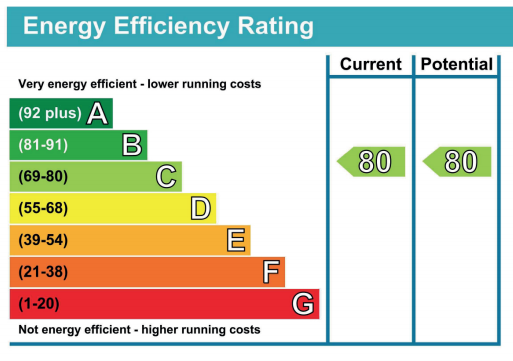
The APE is expressed as a score between 0 and 110, with higher scores indicating better energy efficiency. The score is then categorized into one of the following classes:
- Class A: 90-100 points
- Class B: 80-89 points
- Class C: 70-79 points
- Class D: 60-69 points
- Class E: below 60 points
What Are the Consequences of Not Having or Using an APE Correctly?
Failure to obtain or use an APE correctly may result in penalties and fines from local authorities. Homeowners who fail to comply with the APE requirement may be required to pay a fine, which can range from €100 to €500.
In addition to fines, homeowners who fail to comply with the APE requirement may also face other consequences, such as:
- Loss of property value
- Reduced rental income
- Decreased energy efficiency
How Can I Simplify the Process of Obtaining an APE?
To simplify the process of obtaining an APE, homeowners can prepare an Attestato di Qualificazione Energetica (AQE), which is optional but required to be valid. The AQE helps identify potential improvements in energy performance and class rating.
Homeowners can also work with certified energy auditors or consultants to ensure that their property meets the APE requirements. These professionals can help identify areas for improvement and provide recommendations for energy-saving measures.
Conclusion
The Attestato di Prestazione Energetica has changed the way we approach building and energy efficiency in Italy. With its expanded scope and increased requirements, it’s essential for homeowners and builders to understand their obligations and take proactive steps to improve their properties’ energy performance.
By understanding the APE requirement and how to obtain an APE correctly, homeowners can ensure that their property is energy-efficient and compliant with local regulations. Builders can also benefit from the APE by identifying areas for improvement in energy efficiency and incorporating energy-saving measures into their designs.
In summary, the APE is a crucial document that helps homeowners and builders improve the energy performance of properties in Italy. By understanding the requirements and process for obtaining an APE, individuals can take proactive steps to reduce energy consumption, lower emissions, and increase property value.
FAQs
- What is the purpose of the Attestato di Prestazione Energetica (APE)?
The APE measures a building’s energy efficiency and helps homeowners and builders identify areas for improvement.
- Who needs to obtain an APE?
Anyone who builds or renovates a new home, undergoes major renovations, sells, or rents out properties is required to obtain an APE.
- What types of properties are exempt from the APE requirement?
Properties with historic or cultural significance, industrial buildings with climate-controlled environments, rural non-residential properties without air conditioning systems, small standalone buildings with a total surface area under 50 square meters, and parking lots, garages, and storage facilities are exempt.
- Who can issue an APE?
Only authorized certification bodies, including trained technicians, public entities, accredited inspection agencies, and energy service companies (ESCO), can issue an APE.
- What is the difference between the APE and AQE?
The APE is a mandatory document that measures a building’s overall energy efficiency, while the AQE is an optional certificate that helps prepare for the APE by identifying potential improvements in energy performance and class rating.
- Can I simplify the process of obtaining an APE by preparing an AQE?
Yes, preparing an AQE can help streamline the process of obtaining an APE and ensure its validity.
- What are the consequences of not having or using an APE correctly?
Failure to obtain or use an APE correctly may result in penalties and fines from local authorities.
- How do I know if my property needs an APE?
Check with your local government or a certified energy auditor to determine if your property requires an APE based on its class rating, age, and location.


