
Are you looking for ways to boost your health? Do you know the importance of folic acid in maintaining a healthy body? In this article, we will delve deeper into the benefits of taking folic acid, discuss how to get enough from food and supplements, and provide a simple recipe to make up for a lack of it.
What is Folic Acid?
Folic acid, also known as vitamin B9, is an essential nutrient that plays a crucial role in various bodily functions. It helps in the production of red blood cells, DNA synthesis, and maintaining healthy nerve function. A deficiency in folic acid can lead to fatigue, headaches, hair loss, and chronic exhaustion.
The Importance of Folic Acid
Folic acid is one of the most commonly used B vitamins, and its importance cannot be overstated. Here are some reasons why folic acid is essential:
- Red Blood Cell Production: Folic acid helps in the production of red blood cells, which carry oxygen throughout the body.
- DNA Synthesis: Folic acid plays a crucial role in DNA synthesis, helping to ensure that genetic material is passed on to future generations.
- Healthy Nerve Function: Folic acid helps maintain healthy nerve function, reducing the risk of neurological disorders such as depression and anxiety.
Where to Buy Safe Folic Acid Supplements
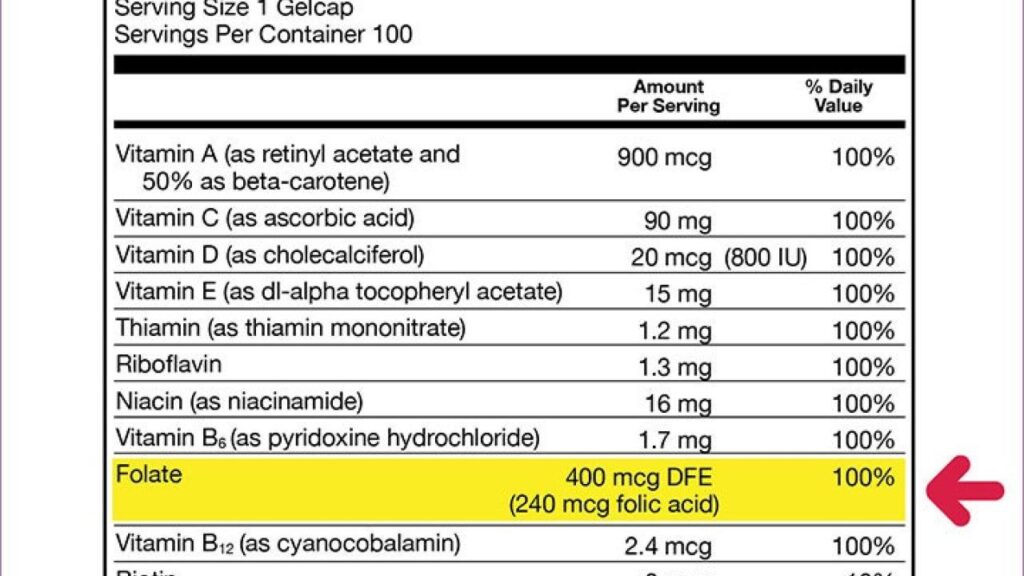
To get enough folic acid, you need to consume foods rich in vitamin B9 or take supplements. When choosing a supplement, ensure it is from a reputable brand and follows Good Manufacturing Practices (GMP). Always consult with your doctor before starting any new supplement regimen.
Foods Rich in Folic Acid
Incorporating the following foods into your diet can help you get enough folic acid:
- Fresh seasonal fruits and vegetables
- Leafy greens like lettuce, spinach, and kale
- Legumes such as lentils, chickpeas, and black beans
- Whole grains like brown rice, quinoa, and whole wheat bread
- Nuts and seeds like almonds, sunflower seeds, and pumpkin seeds
Recommended Daily Intake of Folic Acid
The recommended daily intake of folic acid varies depending on age, sex, and stage of life. Here are the recommended daily intakes:
- Infants up to 1 year: 50 micrograms
- Children aged 1-3 years: 100 µg
- Children aged 4-6 years: 130 µg
- Children aged 7-10 years: 150 µg
- Adults and seniors: 200 µg
- Women during pregnancy: 400 µg
- Breastfeeding mothers: 350 µg
Folic Acid Supplements: A Safer Alternative
If you’re struggling to get enough folic acid from food sources, supplements can be a safer alternative. However, it’s essential to consult with your doctor before starting any new supplement regimen.
A Delicious Recipe for Taking Folic Acid
Here’s a simple recipe that uses yeast beer powder as a natural source of folic acid:
Ingredients:
- 320 g linguine
- 3 tablespoons yeast beer powder
- 100 g unsalted almonds
- 50 g fresh parsley
- 1 clove garlic
- 3 tablespoons olive oil
Instructions:
- Cook the pasta according to package instructions.
- In a blender, mix all the ingredients except olive oil.
- Blend until you get a pesto sauce.
- Serve the spaghetti with the sauce.
Folic Acid and Hair Growth
Regular consumption of yeast beer can help promote hair growth due to its high content of folic acid. However, it’s essential to note that excessive consumption may lead to an imbalance in other nutrients.
Common Questions About Folic Acid
Here are some frequently asked questions about folic acid:
- What is the best way to get enough folic acid from food sources?
- Eat a variety of fresh seasonal fruits and vegetables, leafy greens, legumes, whole grains, nuts, and seeds.
- How much folic acid do I need daily?
- The recommended daily intake varies depending on age, sex, and stage of life. Consult with your doctor for personalized advice.
- Can I take folic acid supplements instead of eating foods rich in it?
- While supplements can be helpful, they should not replace a balanced diet. Always consult with your doctor before starting any new supplement regimen.
- What are the benefits of taking folic acid during pregnancy?
- Folic acid supplementation increases folate levels in the mother’s blood, which is crucial for healthy fetal development.
- Can I take folic acid supplements if I’m breastfeeding?
- Yes, but consult with your doctor to determine the best dosage and frequency.
- What are some common symptoms of folic acid deficiency?
- Symptoms include fatigue, headaches, hair loss, and chronic exhaustion.
- How can I get enough folic acid from food sources when I have a small garden or limited access to fresh produce?
- Consider buying from local farmers who ensure freshness and quality. You can also explore alternative sources like supplements or fortified foods.
In conclusion, folic acid is an essential nutrient that plays a crucial role in various bodily functions. By incorporating foods rich in vitamin B9 into your diet and taking supplements when necessary, you can boost your health and reduce the risk of deficiency-related disorders. Always consult with your doctor before starting any new supplement regimen or making changes to your diet.


