
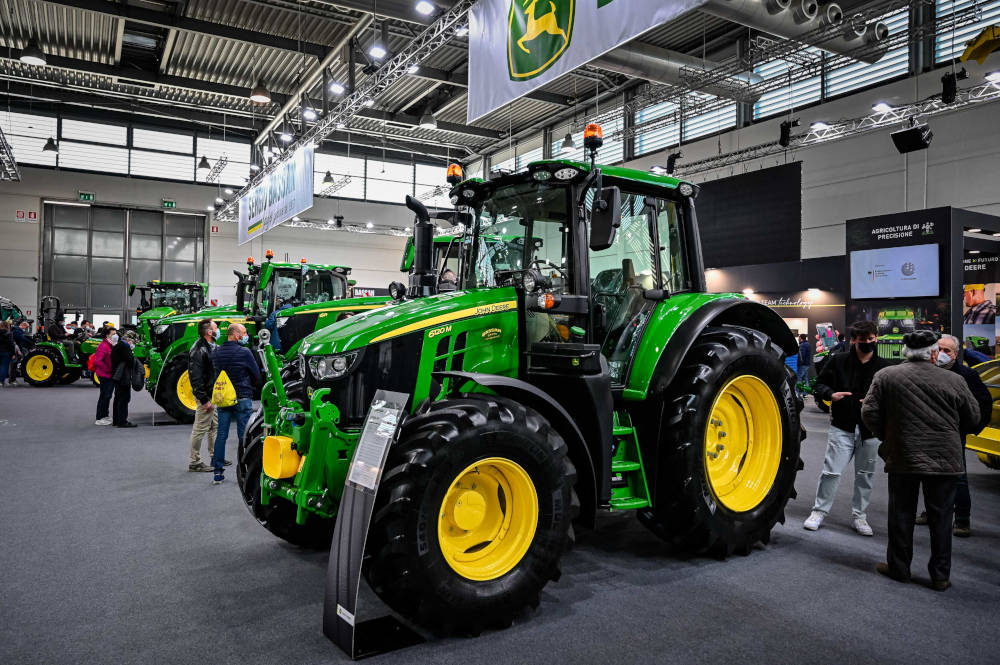
As the world shifts towards a more sustainable future, agriculture has become a crucial sector to focus on. With the growing demand for food and the need to reduce our carbon footprint, renewable energy in agriculture has become a vital part of the solution. At Fieragricola, the upcoming agricultural fair in Verona, Italy, one of the five macro-themes will be dedicated to renewable energy in agriculture.
The Importance of Sustainable Agriculture
Sustainable agriculture is essential for ensuring food security while minimizing environmental impact. It involves adopting practices that promote soil health, conserve water, and reduce pollution. By transitioning to sustainable agriculture methods, farmers can improve crop yields, reduce costs, and create new income opportunities.
What is Renewable Energy in Agriculture?
Renewable energy in agriculture refers to the use of sustainable sources of energy, such as biogas or organic matter, to power agricultural operations. This can include systems for recycling waste liquids from animal husbandry or digestate from biogas production. The goal is to reduce our reliance on fossil fuels and create a more environmentally friendly agricultural sector.
History of Renewable Energy in Agriculture
The use of renewable energy in agriculture dates back centuries. In ancient civilizations, farmers used biofuels such as wood chips and manure to power their operations. However, the widespread adoption of fossil fuels has led to an increased reliance on these non-renewable resources. In recent years, there has been a growing recognition of the importance of renewable energy in agriculture, particularly in regions with high energy demands.
Types of Renewable Energy Sources
There are several types of renewable energy sources that can be used in agriculture:
- Biogas: Biogas is produced by anaerobic digestion of organic matter such as manure or crop waste. It can be used as a fuel for power generation, transportation, or heating.
- Solar Energy: Solar energy can be harnessed using photovoltaic panels to generate electricity or solar water heaters to provide hot water.
- Wind Energy: Wind turbines can be used to generate electricity from wind energy.
- Biofuels: Biofuels are produced by fermenting organic matter such as plant biomass or waste. They can be used as a fuel substitute for fossil fuels.
Introducing NitroCycle
One of the new innovations in renewable energy at Fieragricola is the presentation of NitroCycle, a system for recycling waste liquids from animal husbandry or digestate from biogas production. Developed by an Italian company based in Lombardy, NitroCycle uses a technology called stripping to extract nitrogen without the use of chemical additives.
How Does NitroCycle Work?
NitroCycle works by extracting the nitrogen content from waste liquids and digestates without the use of chemicals. This process can reduce the amount of ammonium in these materials by up to 90%, making them usable for fertilization or further treatment with minimal cost savings. By using this technology, farmers can create a more sustainable and environmentally friendly agricultural sector.
Applications of NitroCycle
NitroCycle can be used in two main applications:
- Animal Husbandry: The system can recycle waste liquids to reduce the need for chemical additives.
- Biogas Production: NitroCycle can prepare biomass (especially pure pollen) as a stabilizer and treat digestates as an element fertilizer.
Benefits of Using NitroCycle
Using NitroCycle can provide several benefits, including:
- Reduced environmental impact
- Improved crop yields
- Cost savings through reduced chemical use
- Increased sustainability
Challenges and Limitations
While NitroCycle offers many benefits, there are also challenges and limitations to consider. These include:
- High upfront costs: The initial investment for installing a NitroCycle system can be significant.
- Limited availability of technology: The technology behind NitroCycle is still relatively new, and it may not be widely available in all regions.
- Maintenance requirements: The systems require regular maintenance to ensure optimal performance.
Conclusion
Renewable energy in agriculture is a critical component of our transition to a more sustainable future. At Fieragricola, visitors can learn about innovative technologies like NitroCycle that can help farmers reduce their environmental impact while creating new income opportunities. By embracing sustainable agriculture practices and renewable energy solutions, we can ensure a healthier and more prosperous planet for generations to come.
Frequently Asked Questions
- What is the main purpose of Fieragricola?
- The main purpose of Fieragricola is to promote sustainable agriculture and provide opportunities for farmers to adopt innovative technologies.
- How does NitroCycle work?
- NitroCycle uses stripping technology to extract nitrogen from waste liquids and digestates without the use of chemicals, reducing the need for chemical additives in agricultural production.
- What are some benefits of using renewable energy in agriculture?
- Renewable energy in agriculture can reduce our reliance on fossil fuels, decrease greenhouse gas emissions, and create new income opportunities for farmers.
- What other innovations will be showcased at Fieragricola?
- In addition to NitroCycle, Fieragricola will cover topics such as revision of agricultural machinery with new regulations, innovative solutions for livestock production, and environmental and social responsibility in the agricultural sector.
- How can I get involved in sustainable agriculture practices and renewable energy solutions?
- Attend Fieragricola to learn more about innovative technologies like NitroCycle and how they can be applied to your farm. You can also explore online resources, consult with experts, and join organizations dedicated to sustainable agriculture.
- What are some potential applications of NitroCycle in animal husbandry?
- In animal husbandry, NitroCycle can recycle waste liquids without the need for chemical additives, reducing environmental impact and creating new income opportunities for farmers.
- How can I use NitroCycle in my biogas production operations?
- By preparing biomass as a stabilizer and treating digestates as an element fertilizer, you can unlock the full potential of NitroCycle in your biogas production operations.
By embracing renewable energy solutions like NitroCycle, we can create a more sustainable and environmentally friendly agricultural sector that benefits both farmers and the planet.


