
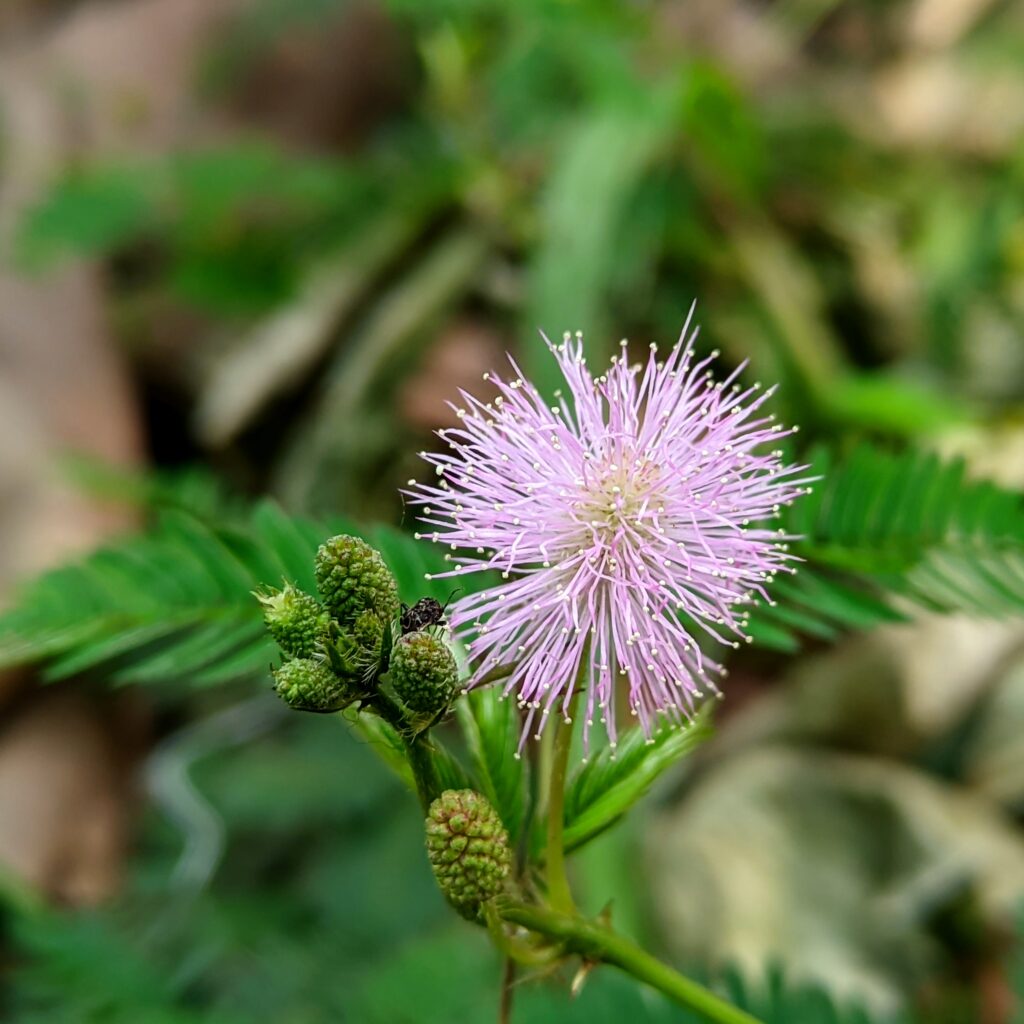
As we celebrate International Women’s Day on March 8th, the beautiful and fragrant mimosa flower is often presented as a symbol of women’s empowerment and strength. But where did this association come from? In this article, we will explore the history and meaning behind the mimosa flower, as well as its care and cultivation.
The History of International Women’s Day
International Women’s Day is celebrated on March 8th to commemorate the struggles and achievements of women around the world. However, there is a common misconception that the holiday was created to honor the victims of an alleged fire in a New York fabric factory in 1911. While this event did occur, it has been largely discredited by historians.
According to historical records, International Women’s Day was first celebrated on March 8th in 1908 by the socialist movement in the United States and Europe. The day was chosen to honor the achievements of women in the labor force, who were fighting for better working conditions, equal pay, and other rights. Over time, the holiday has evolved to include themes such as equality, justice, and empowerment.
The True Meaning of Mimosa
So what does the mimosa flower symbolize? According to Native American tradition, the mimosa is associated with strength and vitality, making it a popular choice for gifts from young men to their loved ones. In some cultures, the mimosa is also seen as a symbol of femininity and beauty.
In many traditional societies, the mimosa is considered a sacred flower that represents the connection between nature and humanity. Its bright yellow flowers are said to represent the sun’s rays and the warmth of life. The silvery-green leaves of the mimosa tree are believed to hold spiritual significance, representing growth, renewal, and protection.
The Characteristics of Mimosa
Mimosa is a type of Acacia dealbata tree that is known for its bright yellow flowers and silvery-green leaves. The trees are native to Australia but have been widely cultivated in other parts of the world. In terms of care, mimosa requires full sun to partial shade and well-draining soil to thrive.
Mimosa trees can grow up to 30 feet tall, with a spread of around 20-25 feet. They have a slender trunk and branches that are covered in silvery-green leaves, which turn a golden yellow color in the autumn. The flowers are small, bright yellow blooms that are arranged in clusters along the branch tips.
How to Care for Mimosa
If you’ve received a mimosa as a gift, there are several ways to help it last longer. Here are some tips:
- Trim off dead or dying leaves and stems: This will help keep the plant healthy and prevent it from spreading disease.
- Soak the cut ends in warm water with lemon juice: The acidity of the lemon juice will help lower the pH of the water, which can help to reduce bacterial growth and extend the life of the cut flowers.
- Place the vase in a bright but not direct sunlight location: Direct sunlight can cause the flowers to fade quickly, so it’s best to place the vase in a spot that receives indirect sunlight.
How to Dry Mimosa
If you want to preserve your mimosa for longer, drying is a great option. Here’s how to do it:
- Collect fresh mimosa flowers and leaves early in the morning: This will help prevent the plants from losing their moisture and preserve their color.
- Cut off the stems and place them upside down to dry completely: This will help the plants to release excess moisture and dry evenly.
- Hang the dried mimosa in a well-ventilated area with indirect sunlight: Indirect sunlight can help to preserve the color of the flowers, while good air circulation can prevent mold and mildew from forming.
How to Grow Mimosa in a Vase
Growing mimosa in a vase is a great way to bring this beautiful flower into your home. Here are some tips:
- Choose a bright and sunny location for your mimosa vase: This will help the flowers to receive enough light to bloom, but avoid direct sunlight to prevent burning.
- Use a well-draining potting mix and avoid overwatering: Mimosa prefers dry soil to thrive, so make sure not to water it too frequently.
- Fertilize your mimosa regularly, but skip during the winter months: Fertilizing can help promote healthy growth, but avoid fertilizing during the winter months when the plant is dormant.
Propagation and Care Tips
If you’re interested in growing a mimosa tree from seed or cutting, here are some tips:
- Take 4-6 inch stem cuttings: This will give you a good chance of rooting the cutting successfully.
- Remove lower leaves: This will help prevent the cutting from rotting and promote healthy growth.
- Plant the cutting in well-draining soil: Make sure the soil is moist but not waterlogged, as this can cause root rot.
Pest Control and Diseases
Mimosa trees are susceptible to certain pests and diseases that can affect their health. Here are some tips for controlling them:
- Check your plants regularly for signs of pests or disease: This will help you catch any problems early on and prevent them from spreading.
- Use organic pest control methods whenever possible: Chemical pesticides can harm the environment, so try using natural alternatives like neem oil or soap solution instead.
Conclusion
The mimosa flower is a beautiful and symbolic plant that represents strength, vitality, and femininity. Whether you’re celebrating International Women’s Day or simply want to add some beauty to your home, the mimosa is a great choice. With proper care and attention, this lovely flower can thrive for years to come.
Frequently Asked Questions
- What does the mimosa flower symbolize?
The mimosa flower symbolizes strength, vitality, and femininity. - Where did the idea of celebrating International Women’s Day come from?
International Women’s Day was created to commemorate the struggles and achievements of women around the world, but there is a common misconception that it was created in honor of an alleged fire in a New York fabric factory in 1911. - How do I care for mimosa flowers?
To care for mimosa flowers, trim off dead or dying leaves and stems, soak the cut ends in warm water with lemon juice, and place them in bright but not direct sunlight. - Can I grow mimosa in a vase?
Yes, you can grow mimosa in a vase! Choose a bright and sunny location, use a well-draining potting mix, and fertilize regularly. - How do I dry mimosa flowers?
To dry mimosa flowers, collect fresh flowers and leaves early in the morning, cut off the stems, and place them upside down to dry completely. - What is the scientific name of the mimosa tree?
The scientific name of the mimosa tree is Acacia dealbata. - Is mimosa a good choice for indoor gardening?
Yes, mimosa is a great choice for indoor gardening! However, it may require more care than other plants due to its sensitivity to temperature and humidity changes. - Can I propagate mimosa from cuttings?
Yes, you can propagate mimosa from cuttings! Take 4-6 inch stem cuttings, remove lower leaves, and plant them in well-draining soil.
By following these tips and understanding the symbolism of the mimosa flower, you can enjoy this beautiful and fragrant bloom for years to come.


