
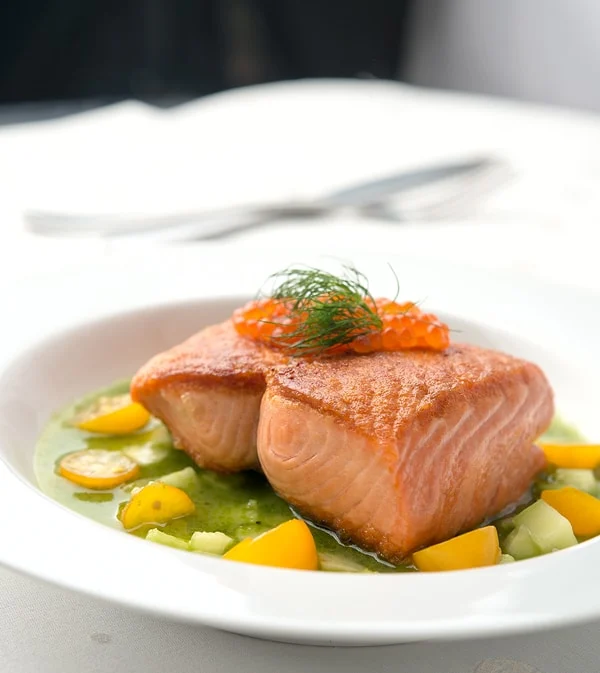
Introduction
When it comes to choosing the perfect fish for our meals, many of us tend to stick to what we know and love. However, there’s another option that’s worth exploring – the rainbow trout. This beautiful fish has a unique characteristic that sets it apart from its peers: its carmine-colored flesh. In this article, we’ll delve into the world of rainbow trout, explore its history, nutritional benefits, and most importantly, discover some mouth-watering recipes to get you started.
What is Rainbow Trout?
Rainbow trout (Oncorhynchus mykiss) is a species of fish that’s not inherently different from other trout species. Its distinctive feature lies in its diet, which consists mainly of crustaceans and small aquatic animals. This diet gives the rainbow trout its signature pinkish-red color, making it a popular choice for foodies and health enthusiasts alike.
History of Rainbow Trout
The history of rainbow trout dates back to the late 19th century when it was first introduced from the Pacific coast to Europe. Initially, it was seen as an exotic species but quickly gained popularity due to its unique characteristics and flavor profile.
Why Choose Rainbow Trout?
Compared to other types of fish, rainbow trout tends to be more expensive due to its unique characteristics and higher demand. However, its nutritional benefits make it well worth the extra cost. Rich in protein, omega-3 fatty acids, and various vitamins and minerals, rainbow trout is an excellent choice for those looking to upgrade their seafood game.
Health Benefits of Rainbow Trout
Rainbow trout offers numerous health benefits due to its high levels of:
- Protein: Helps build and repair muscles
- Omega-3 fatty acids: Essential for heart health and brain function
- Vitamin D: Crucial for bone health and immune system function
- Selenium: Acts as an antioxidant to protect against cell damage
How to Prepare Rainbow Trout
Unlike other fish, preparing rainbow trout requires some finesse. The key is to handle it gently to avoid damaging its delicate flesh. Here are a few tips to get you started:
- Sashimi-grade fillets or steaks
- Seasoning and marinades
- Cooking methods: pan-searing, baking, grilling
Recipe 1: Rainbow Trout Pâté
This recipe is perfect for showcasing the delicate flavor of rainbow trout. By combining it with creamy burrata cheese and fresh herbs, you’ll create a dish that’s both elegant and delicious.
Ingredients:
- 300g of pan-seared fillet
- 125g of burrata cheese
- 1 lemon, juiced
- 10g of chopped parsley
- Salt and pepper to taste
Instructions:
- Preheat your oven to 200°C (400°F).
- In a blender or food processor, combine the fillet, burrata cheese, lemon juice, and chopped parsley.
- Blend until smooth, then transfer to a serving dish.
- Serve with toasted bread or crackers.
Recipe 2: Roasted Rainbow Trout with Potatoes
This hearty recipe is perfect for a cold winter’s night. By pairing the trout with roasted potatoes and cherry tomatoes, you’ll create a dish that’s both comforting and flavorful.
Ingredients:
- 2 rainbow trout fillets
- 3-4 medium-sized potatoes
- 2 tablespoons of olive oil
- Salt and pepper to taste
Instructions:
- Preheat your oven to 200°C (400°F).
- Line a baking sheet with parchment paper.
- Place the potatoes on one side and the trout on the other.
- Drizzle with olive oil, season with salt and pepper, then roast for 20-25 minutes.
Frequently Asked Questions
- Q: What is the difference between rainbow trout and regular trout?
A: Rainbow trout is characterized by its diet of crustaceans and small aquatic animals, which gives it a unique pinkish-red color. - Q: Is rainbow trout good for my health?
A: Yes, due to its high levels of protein, omega-3 fatty acids, and various vitamins and minerals, making it an excellent choice for those looking to upgrade their seafood game.
Conclusion
Rainbow trout is a versatile fish that offers a range of culinary experiences. From delicate pâtés to hearty roasted dishes, the options are endless. With its unique characteristics, nutritional benefits, and ease of preparation, rainbow trout is sure to become your new favorite catch.
Tips for Choosing Rainbow Trout
- Look for freshness by checking the eyes and gills.
- Opt for a vibrant pinkish-red color.
- Choose a fillet or steak with visible bones.
By following these tips and experimenting with different recipes, you’ll be well on your way to becoming a rainbow trout expert. So why not give it a try? Your taste buds will thank you!
Nutritional Comparison of Rainbow Trout
| Nutrient | Rainbow Trout (100g) |
|---|---|
| Protein | 20g |
| Omega-3 fatty acids | 1.2g |
| Vitamin D | 40 IU |
| Selenium | 54 mcg |
Rainbow trout offers numerous nutritional benefits due to its high levels of protein, omega-3 fatty acids, and various vitamins and minerals. By incorporating it into your diet, you’ll be well on your way to achieving optimal health.
Sustainability of Rainbow Trout
The sustainability of rainbow trout is a topic of ongoing debate. While some argue that the species is overfished, others claim that it’s being farmed responsibly. To make an informed decision, consider the following:
- Look for certifications such as ASC (Aquaculture Stewardship Council) or Best Aquaculture Practices.
- Choose wild-caught rainbow trout when possible.
By making conscious choices, you can help ensure that your favorite fish is caught in a responsible and sustainable manner.


