
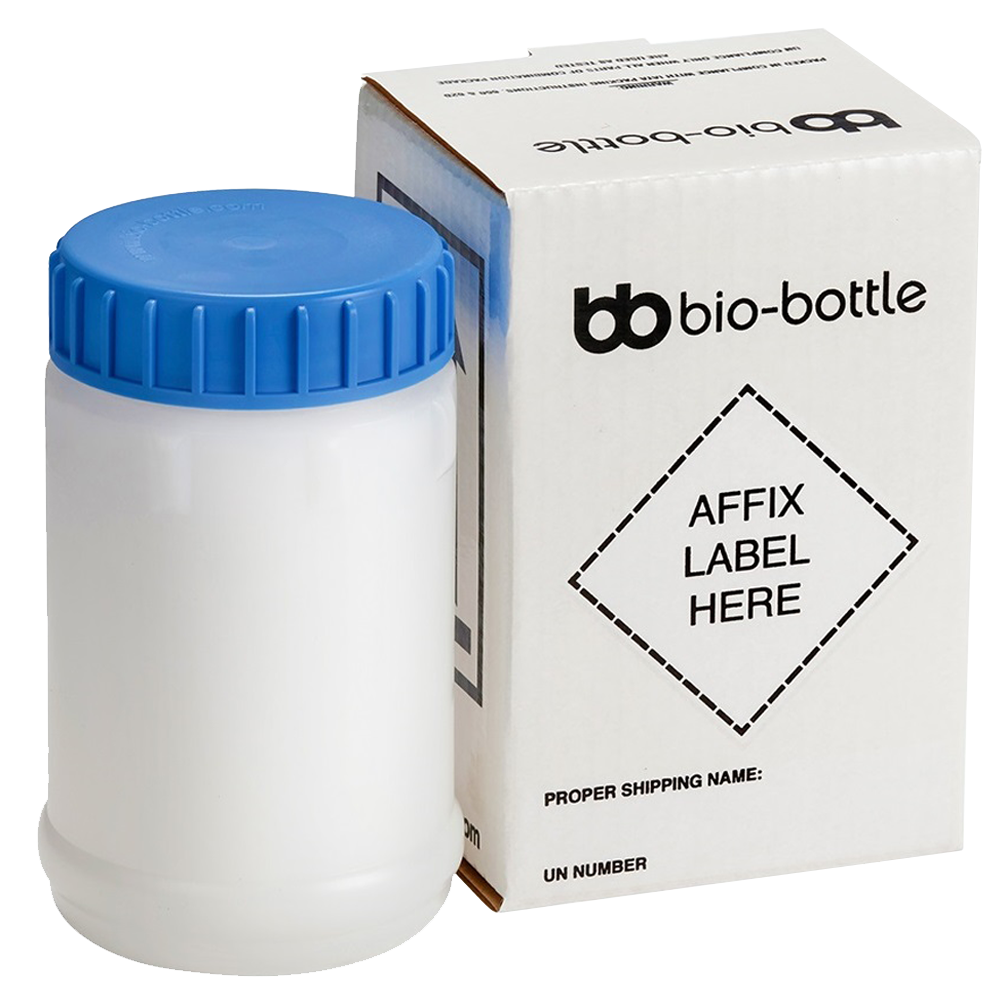
In recent years, there has been a growing concern about the impact of plastic waste on our environment. One solution that has gained attention is the bio bottle, a biodegradable plastic bottle made from natural materials like cornstarch or sugarcane. In this article, we will explore the production process, benefits, and limitations of the bio bottle.
Introduction
The world is facing a significant environmental crisis due to the massive amount of plastic waste that has accumulated in our oceans, landfills, and ecosystems. Plastic bottles are one of the most common types of plastic waste, with millions of tons discarded every year. In response, companies and innovators have been working on sustainable alternatives to traditional plastic bottles. One such alternative is the bio bottle, a biodegradable plastic bottle made from natural materials like cornstarch or sugarcane.
What is Bio Bottle?
A bio bottle is a type of plastic bottle made from a special bioplastic called PLA (Polylactic Acid), which is derived from renewable resources like cornstarch or sugarcane. Unlike traditional plastic bottles, bio bottles do not require any petroleum-based materials and are fully biodegradable within 80 days.
How is Bio Bottle Produced?
The production of bio bottles involves a unique process where natural fibers are converted into PLA, which is then molded into the familiar bottle shape. This innovative material has several benefits, including being non-toxic and compostable. The PLA used in bio bottles is made from plant-based sources such as cornstarch or sugarcane, making it a more sustainable alternative to traditional plastics.
Benefits of Bio Bottles
So, what makes bio bottles so special? For one, they offer a significant reduction in greenhouse gas emissions. According to calculations, 650 million bio bottles can save 176,800 barrels of oil needed to heat a city of 520,000 residents for a month. Additionally, the PLA used in bio bottles is more secure than traditional plastics, making it suitable for containing food and beverages.
Challenges and Limitations
While bio bottles have several advantages, there are also some challenges associated with their production and use. The high cost of production is one major issue, as well as the limited shelf life of PLA-based materials. This means that bio bottles may not be viable for long-term storage or transportation. Furthermore, the production process requires significant resources and energy, which can lead to additional environmental impacts.
Risks Associated with Bio Bottles
Another concern surrounding bio bottles is their biodegradability. While this sounds like a benefit, it also means that bio bottles are more prone to leakage and contamination during transportation and storage. Furthermore, the PLA used in bio bottles may not be fully compostable, which could lead to environmental issues.
Impact of Bio Bottles on Biodiversity
The use of bio bottles has raised concerns about the impact on biodiversity. The production process requires significant resources such as water and energy, which can lead to habitat destruction and resource depletion. Additionally, the use of monoculture crops for PLA production can lead to soil degradation and loss of crop diversity.
Environmental Impact Comparison
To understand the environmental impact of bio bottles better, we need to compare their performance with traditional plastic bottles. Traditional plastic bottles are made from non-renewable resources such as petroleum, which leads to greenhouse gas emissions during production. In contrast, bio bottles are made from renewable resources such as cornstarch or sugarcane, reducing greenhouse gas emissions during production.
Conclusion
The bio bottle is an innovative solution to the problem of plastic waste. However, its production and use come with several challenges and limitations. As we move forward, it’s essential to address these concerns and work towards creating a more sustainable future for our planet.
Frequently Asked Questions
- How long does a Bio Bottle take to biodegrade?
A bio bottle typically takes around 80 days to break down completely in an industrial composting facility. - Is PLA (Polylactic Acid) safe for use in food and beverages?
Yes, PLA is non-toxic and considered safe for use in contact with food and beverages. - Can I compost a Bio Bottle?
It’s essential to check with local authorities to determine if your area has a dedicated composting facility that can handle bio bottles. - How long does a Bio Bottle last before it becomes unusable?
The shelf life of PLA-based materials like Bio Bottles is limited, typically lasting around 6-12 months. - Can I use a Bio Bottle for long-term storage?
No, due to its biodegradable nature, Bio Bottles are not suitable for long-term storage or transportation. - Is the cost of producing Bio Bottles increasing?
Yes, the production costs of bio bottles are rising as more companies invest in PLA-based materials and production processes. - Can I recycle a Bio Bottle?
In some areas, bio bottles can be recycled through specialized facilities that can handle bioplastics like PLA. - What is the environmental impact of Bio Bottles compared to traditional plastic bottles?
Bio bottles offer significant reductions in greenhouse gas emissions and waste, but their production and use come with challenges and limitations.
Future Directions for Bio Bottle Technology
In recent years, there has been a growing interest in bio bottle technology. Companies and researchers are working on improving the production process, increasing the shelf life of PLA-based materials, and reducing the environmental impact of bio bottles. Some potential future directions include:
- Improved bioplastics: Developing new bioplastics that can replace traditional plastics.
- Recycling technologies: Improving recycling technologies to handle bio bottles and other bioplastics.
- Biodegradable packaging: Using bio bottles for packaging purposes, such as in the food industry.
- Innovative applications: Exploring innovative applications of bio bottles, such as in construction materials or disposable utensils.
Conclusion
The bio bottle is an innovative solution to the problem of plastic waste. However, its production and use come with several challenges and limitations. As we move forward, it’s essential to address these concerns and work towards creating a more sustainable future for our planet. By understanding the benefits and limitations of bio bottles, we can better navigate the transition to a more circular economy.


