
As we strive to reduce our carbon footprint and transition to a more sustainable future, geothermal energy has emerged as a promising solution. But what exactly is geothermal energy, and how does it work?
What is Geothermal Energy?
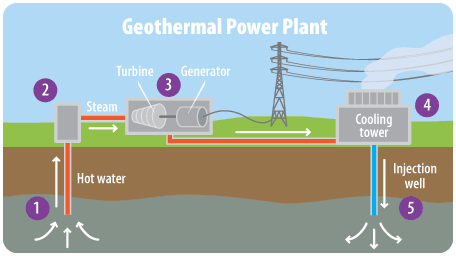
Geothermal energy is a form of renewable energy that harnesses the heat from the Earth’s interior to generate electricity or provide heating and cooling for buildings. This natural process involves the movement of hot fluids through underground rock formations, which can be tapped to produce steam and use it to drive turbines and generate electricity.
A Brief History of Geothermal Energy
The concept of geothermal energy has been around for centuries, with ancient civilizations using hot springs and geysers for various purposes. However, modern geothermal power plants were first developed in the early 20th century, with the first commercial plant opening in Larderello, Tuscany, Italy in 1904.
Benefits of Geothermal Energy
So, what makes geothermal energy such an attractive option? Here are some of its key benefits:
- Renewable and Sustainable: Geothermal energy is a renewable resource that can be replenished naturally over time.
- Low Operating Costs: Once installed, geothermal systems require minimal maintenance and have low operating costs compared to traditional fossil fuel-based power plants.
- Carbon Emissions Reduced: Geothermal energy generates electricity without emitting greenhouse gases or other pollutants, making it a cleaner source of energy.
Geothermal Energy in Italy
Italy has long been a leader in geothermal energy production, with many commercial and residential projects underway. The country’s unique geology and diverse climate zones make it an ideal location for harnessing the power of geothermal energy.
How Geothermal Systems Work
A typical geothermal system consists of three main components:
- Sonde Geotermiche: These are deep well injectors that tap into underground hot water reservoirs, which can be up to several kilometers deep.
- Pompa di Calore Geotermica: This is the heart of a geothermal system, responsible for extracting heat from the fluid and using it to generate electricity or provide heating and cooling.
- Sistema di Accumulo e Distribuzione del Calore: This component stores excess hot water and distributes it throughout a building as needed.
Geothermal Domestic Systems
Geothermal energy can be used in homes and buildings for heating, cooling, and even water purification. These systems are typically more expensive to install than traditional HVAC systems but offer significant benefits, including:
- Higher Efficiency: Geothermal systems can achieve efficiency rates of up to 300%, compared to traditional HVAC systems which operate at around 20-30%.
- Low Operating Costs: With minimal maintenance required, geothermal systems can save homeowners thousands of dollars on their energy bills.
The Future of Geothermal Energy
As the world continues to transition towards a more sustainable future, geothermal energy is poised to play an increasingly important role. With advancements in technology and infrastructure development, this renewable energy source will become even more accessible and efficient.
Frequently Asked Questions (FAQs)
- What are the benefits of geothermal energy?
- Geothermal energy is a renewable resource that can be replenished naturally over time, has low operating costs, and reduces carbon emissions.
- Is geothermal energy suitable for all climates?
- No, geothermal energy requires specific geological conditions to function efficiently. However, many regions with favorable geology are ideal locations for harnessing this power source.
- How long does a typical geothermal system last?
- With proper maintenance, a well-designed and installed geothermal system can last for decades, sometimes even up to 50 years or more.
Additional Resources
For those interested in learning more about geothermal energy, there are numerous resources available:
- International Renewable Energy Agency (IRENA): A leading global organization promoting the adoption of renewable energy technologies.
- National Renewable Energy Laboratory (NREL): A premier research institution focused on developing and improving renewable energy systems.
Visit these websites for more information on geothermal energy, its applications, and the latest developments in this field.
By embracing geothermal energy, we can create a more sustainable future for generations to come.
Geothermal Energy Around the World
From Iceland’s hot springs to Indonesia’s volcanic regions, geothermal energy is being harnessed around the world. Here are some examples:
- Iceland: Known for its unique geology and numerous geothermal power plants, Iceland generates over 80% of its electricity from renewable sources.
- Indonesia: With over 130 active volcanoes, Indonesia has vast potential for geothermal energy production.
- Philippines: The country aims to increase its geothermal energy output by investing in new projects and exploring innovative technologies.
Challenges and Opportunities
While geothermal energy offers many benefits, there are also challenges to be addressed:
- Geological risks: Geothermal systems require precise geological conditions to function efficiently.
- High upfront costs: Installing a geothermal system can be expensive, although long-term savings can offset these costs.
Despite these challenges, the opportunities for geothermal energy development are vast. As technology continues to advance and infrastructure is developed, this renewable energy source will play an increasingly important role in shaping our future.
Innovative Solutions
Researchers and companies are working on innovative solutions to overcome the challenges associated with geothermal energy:
- Enhanced Geothermal Systems (EGS): This technology involves creating artificial reservoirs to enhance heat extraction from deep hot rocks.
- Closed-Loop Geothermal Systems: These systems use a closed-loop design to reduce the risk of contamination and increase efficiency.
By embracing these innovative solutions, we can unlock the full potential of geothermal energy and create a more sustainable future for generations to come.


