
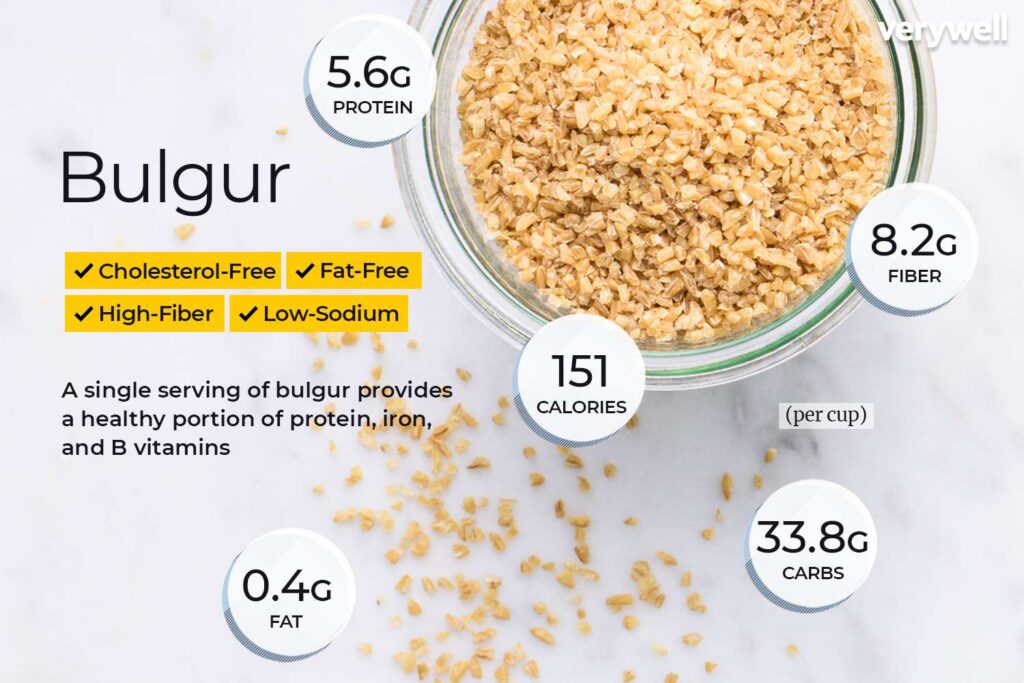
As a food enthusiast, you may have come across the term “bulgur” in various recipes or while browsing through international markets. But what exactly is bulgur, and why should you consider incorporating it into your diet? In this article, we’ll delve into the world of bulgur, exploring its history, nutritional benefits, cooking methods, and pairing possibilities.
What is Bulgur?
Bulgur is a type of whole grain made from durum wheat, specifically hard durum wheat. It’s processed to remove the outer layers, leaving behind a mixture of broken grains that are then boiled, dried, and milled into a coarse, chewy texture. The word “bulgur” itself comes from the Turkish term “pulao,” which refers to a dish made with bulgur.
Despite its name, bulgur is not unique to Turkey; it’s also found in Arab, Armenian, and other Middle Eastern cuisines. Each region has its own variations of bulgur, which can differ in texture, flavor, and cooking time.
Types of Bulgur
Bulgur comes in various forms, each with its own characteristics:
- Kani bulguru: Fine-grained bulgur used for salads and side dishes.
- Pilav bulguru: Coarser grained bulgur ideal for stews and soups.
- Pilaf bulguru: Medium-textured bulgur suitable for pilafs and rice bowls.
- Gürs: Bulgur made from whole grains, often used in traditional Middle Eastern dishes.
Nutritional Benefits
Bulgur is a nutrient-rich food that offers numerous health benefits:
- High in fiber: Bulgur contains both soluble and insoluble fiber, which can help regulate digestion and satiety.
- Rich in vitamins and minerals: Bulgur is an excellent source of various B vitamins, folate, iron, magnesium, and potassium.
- Low glycemic index: Bulgur’s high fiber content slows down the absorption of carbohydrates, keeping blood sugar levels stable.
Cooking Methods
Bulgur can be cooked using different methods:
- Boiling: Rinse bulgur in water and boil for 15-20 minutes to rehydrate.
- Steaming: Steam bulgur for 10-15 minutes to reduce cooking time.
- Microwaving: Cook bulgur in the microwave for 5-7 minutes, stirring every minute.
Pairing with Quinoa
While traditional recipes may not feature quinoa and bulgur together, this pairing is gaining popularity. Combine cooked quinoa with bulgur, vegetables, and your choice of toppings to create a nutritious and flavorful meal.
Some ideas include:
- Roasted vegetable salad: Toss cooked quinoa and bulgur with roasted veggies like carrots, zucchini, and bell peppers.
- Protein-packed bowl: Mix cooked quinoa, bulgur, black beans, diced chicken, avocado, and feta cheese for a satisfying meal.
Tips for Cooking Bulgur
- Rinse the bulgur: Before cooking, rinse the bulgur in cold water to remove excess starch.
- Use the right ratio: Use a 2:1 water-to-bulgur ratio to achieve optimal rehydration and texture.
- Don’t overcook: Cook bulgur until it’s tender but still slightly firm. Overcooking can make it mushy and unappetizing.
Common Bulgar Mistakes
- Overcrowding: Avoid overcrowding the cooking pot, as this can cause the bulgur to stick together.
- Underseasoning: Don’t underseason your bulgur dish, as it can be quite bland without sufficient flavor.
- Lack of acidity: Add a splash of lemon juice or vinegar to balance out the flavors and enhance the overall taste.
Global Variations of Bulgur
- Turkish Pilaf: A classic Turkish dish made with bulgur, onions, garlic, tomatoes, and spices.
- Lebanese Mujaddara: A hearty Lebanese stew made with bulgur, lentils, onions, and spices.
- Arabian Khoresht-e Bademjan: An aromatic Iranian eggplant stew made with bulgur, eggplants, onions, and spices.
Nutritional Comparison
| Grains | Fiber (per 1/2 cup cooked) | Protein (per 1/2 cup cooked) |
|---|---|---|
| Bulgur | 3.8 g | 5 g |
| Quinoa | 5 g | 4 g |
| Rice | 0.7 g | 1.8 g |
Health Benefits of Bulgur
- Lower cholesterol: The soluble fiber in bulgur can help lower LDL (bad) cholesterol levels.
- Improved digestion: The insoluble fiber in bulgur can promote regular bowel movements and prevent constipation.
- Weight management: The high fiber content in bulgur can aid in weight loss and maintenance.
Culinary Uses of Bulgur
Bulgur is an incredibly versatile ingredient that can be used in a wide range of dishes:
- Salads
- Soups
- Stews
- Pilafs
- Rice bowls
Tips for Incorporating Bulgur into Your Diet
- Start with small portions: Experiment with bulgur in small quantities to adjust to its texture and flavor.
- Pair it with other grains: Combine bulgur with quinoa, rice, or other whole grains to create a balanced meal.
- Add vegetables and protein: Incorporate roasted vegetables, lean proteins, and healthy fats to enhance the nutritional value of your dish.
Common Questions about Bulgur
- What is the difference between bulgur and quinoa?
Bulgur is made from durum wheat, while quinoa is made from a protein-rich grain native to the Andean region. - How do I cook bulgur?
Boil or steam bulgur for 15-20 minutes to rehydrate. You can also microwave it for 5-7 minutes, stirring every minute. - Is bulgur suitable for vegans and vegetarians?
Yes, bulgur is a great option for vegans and vegetarians due to its high fiber content and potential allergenic properties of some wheat varieties.
Conclusion
Bulgur is a nutritious and versatile grain that offers numerous health benefits, cooking methods, and pairing possibilities. Incorporate it into your diet to experience the rich flavors and textures of Middle Eastern cuisine. Whether you’re a seasoned chef or a curious foodie, bulgur is definitely worth exploring.
References:
- “Bulgur” by the Encyclopedia Britannica
- “Nutritional Value of Bulgur” by the United States Department of Agriculture (USDA)
- “Cooking Bulgur” by the American Heart Association
By reading this article, you have gained a deeper understanding of bulgur and its potential to enrich your diet. Try incorporating it into your cooking repertoire today!


