
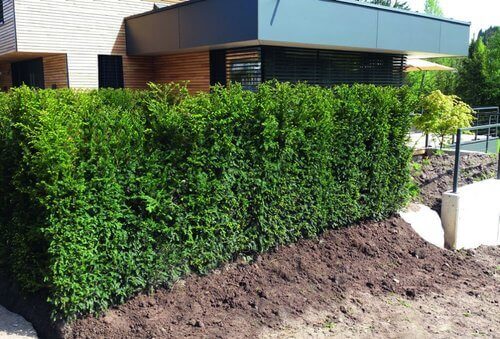
Planting a hedge can be a daunting task, but with the right timing and approach, you can create a beautiful and thriving barrier for your garden. In this article, we’ll explore when to plant a hedge, how to care for it, and some common mistakes to avoid.
The Best Time to Plant a Hedge
The ideal time to plant a hedge is in the autumn. There are two main advantages to planting a hedge during this season:
- You can use bare-root plants, which are cheaper than potted plants.
- The new hedge has all winter to establish itself before flowering.
On the other hand, if you choose to plant in spring, you’ll lose some time and potentially suffer from weather conditions that can harm your new hedge. However, if there’s a window of good weather during the spring months, it’s still possible to plant successfully.
Preparing for Your New Hedge
Before planting a hedge, make sure to prepare the site:
- Choose the right location: Select an area that receives at least six hours of direct sunlight a day.
- Check the soil: Ensure the soil is well-draining and has a pH level between 6.0 and 7.0.
- Clear the area: Remove any debris, rocks, or weeds from the chosen location.
Preparing the Soil
Before planting, it’s essential to prepare the soil:
- Test the soil pH: Use a soil testing kit to determine the pH level of your soil. Most plants prefer a slightly acidic to neutral soil pH.
- Add organic matter: Mix in compost or well-rotted manure to improve the structure and fertility of your soil.
Preparing the Planting Area
Once you’ve prepared the soil, it’s time to prepare the planting area:
- Mark out the hedge bed: Use a rope or hose to mark out the boundary of your hedge bed.
- Dig the trenches: Dig shallow trenches for each plant, about 6-8 inches deep and twice as wide as the plant’s root system.
Supporting Your New Hedge
In the first few years after planting, your hedge will need support to prevent damage from wind:
- Use a stake or support system: Drive stakes into the ground and tie them together with twine or wire.
- Create a trellis: Attach a trellis to a wall or fence to provide additional support.
Caring for Your Hedge
Proper care is essential to keep your hedge healthy and looking its best:
- Water regularly: Water your hedge deeply once or twice a week, depending on weather conditions.
- Fertilize annually: Apply a balanced fertilizer in early spring and late summer.
- Prune regularly: Prune your hedge in late winter or early spring to maintain shape and promote new growth.
Pruning Techniques
Pruning is an essential part of maintaining a healthy hedge:
- Cut at the base: When pruning, always cut at the base of the plant, about 1-2 inches above the soil surface.
- Make clean cuts: Make clean cuts using sharp tools to prevent spreading disease.
- Prune only what’s necessary: Only prune what’s necessary to maintain shape and promote new growth.
Common Mistakes to Avoid
Avoid these common mistakes when caring for your hedge:
- Don’t leave rambunctious branches intact: Remove any weak or damaged branches to prevent the hedge from becoming uneven.
- Don’t over-prune: Prune only what’s necessary, as excessive pruning can stress the plant.
Choosing the Right Type of Hedge
There are many types of hedges available, each with its own unique characteristics:
- Fruit-bearing hedges: Perfect for adding a touch of color and providing fruit to your garden.
- Evergreen hedges: Ideal for year-round foliage and structural interest.
- Flowering hedges: Add a pop of color to your garden with vibrant flowers.
Considerations When Choosing a Hedge
When choosing a hedge, consider the following factors:
- Climate and weather: Choose a hedge that’s suitable for your local climate and weather conditions.
- Maintenance requirements: Consider how much maintenance you’re willing and able to commit to caring for your hedge.
- Growth rate: Choose a hedge with a growth rate that suits your needs.
Tips and Tricks
Here are some additional tips to keep in mind when caring for your hedge:
- Mulch around the base: Mulch helps retain moisture, suppress weeds, and regulate soil temperature.
- Monitor for pests: Keep an eye out for signs of pests or diseases, such as borers or fungal infections.
Conclusion
Planting a hedge can be a rewarding experience, but it requires careful planning and attention to detail. By choosing the right location, preparing the site, providing support, caring for your hedge, avoiding common mistakes, and selecting the right type of hedge, you’ll be on your way to creating a beautiful and thriving barrier for your garden.
Frequently Asked Questions
Q: What is the best time to plant a hedge?
A: The ideal time to plant a hedge is in the autumn. Bare-root plants can be used during this season, providing two main advantages: lower costs and more time for the new hedge to establish itself.
Q: How often should I water my hedge?
A: Water your hedge deeply once or twice a week, depending on weather conditions.
Q: Can I prune my hedge too much?
A: Yes, excessive pruning can stress the plant. Prune only what’s necessary to maintain shape and promote new growth.
Q: What is the most common type of hedge used in gardens?
A: There are many types of hedges available, but evergreen hedges are a popular choice for year-round foliage and structural interest.
Q: How often should I fertilize my hedge?
A: Apply a balanced fertilizer in early spring and late summer annually to promote healthy growth.
Q: What is the best way to support a new hedge?
A: Use stakes or a support system, such as a trellis, to provide additional support during the first few years after planting.
Q: Can I plant a hedge in winter?
A: While it’s technically possible to plant a hedge in winter, this may not be the best time due to weather conditions that can harm your new hedge.


