
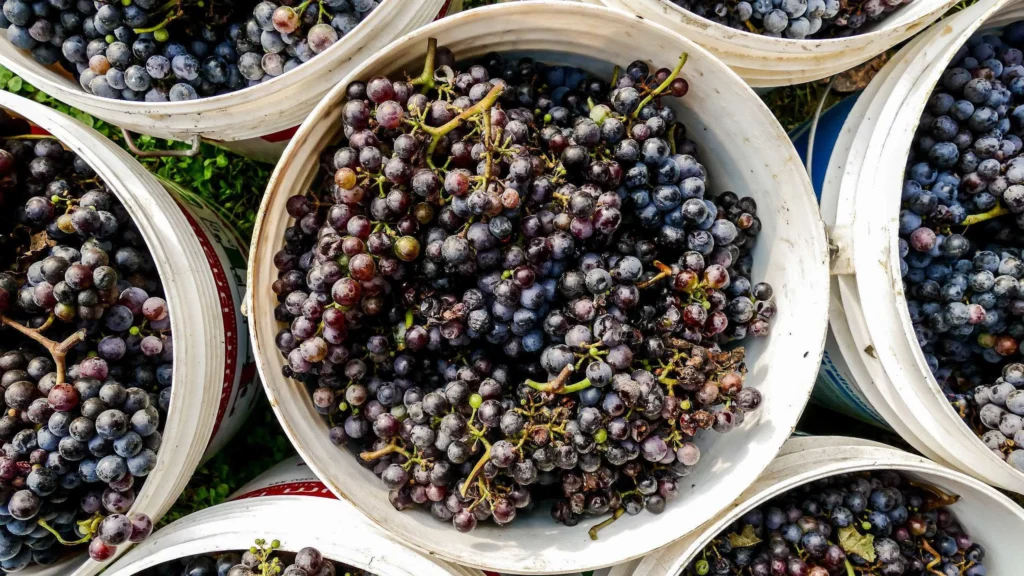
As one of the staple products in Mediterranean and Italian cuisine, wine is a beloved beverage for both consumers and producers alike. The term “organic” refers specifically to the production of grapes as outlined in the European Union’s Regulation 2092/91, which falls under the broader definition of organic agriculture.
But what sets organic wine apart from non-organic wine? From vineyard cultivation to the treatment of wine sols, understanding the differences and similarities between these two types of wines is crucial for those who appreciate the nuances of each.
The Importance of Organic Winemaking
Good wines are made in the vineyard. While this concept applies to all types of wine, it is especially crucial for organic winemaking. Unlike conventional farming practices that rely on synthetic chemicals like pesticides and fertilizers, organic viticulture relies exclusively on natural products such as sulfur and copper.
Organic agriculture involves fertilizing the soil with organic matter obtained from the maceration of medicinal herbs, which then transform into humus. This practice is known as “biodynamic” and is deeply rooted in an interpretation of nature where land and living vegetation and animals are inextricably linked within a complex ecosystem.
Another crucial aspect of organic winemaking is pruning (particularly green pruning), which aims to maximize air circulation around the grape clusters. By removing select portions of the vine, pruners promote healthy growth and prevent disease. This practice not only enhances the overall quality of the grapes but also helps maintain biodiversity on the vineyard.
It is also essential to manage fungal diseases such as powdery mildew and downy mildew correctly, minimizing damage to the skin through which the pathogen easily enters the fruit. Additionally, using sodium silicate, approved in organic wines (not considered an antiparasitic), also serves against powdery mildew: this substance increases the pH of leaf surfaces, thereby hindering the proliferation of fungal pathogens.
The Role of Solfits in Organic Wine
In organic wine production, solfits and conventional yeast fermentation are strictly prohibited. While solfits are generally toxic, they are tolerated by law in small quantities and added to the must for their antimicrobial and antioxidant properties that preserve the unmistakable aroma of a true Italian wine.
In traditional biodynamic winemaking, solfits can be replaced with elements derived from grape skins and vitamin C. The organic wine maintains all its sensory qualities: preserving those distinctive characteristics inherent to the territory where the grapes grow and ripen.
Interestingly, an increasing number of wines are being added to lists, indicating a growing tendency to abandon chemical farming in favor of environmental respect. This shifts the unique character of organic wines from anonymity among mass-produced industrial products.
In light of these guidelines, winemakers can delve into the specifics of organic wine production and explore regulations like those introduced in 2012. By understanding the intricate process involved in producing organic wine, consumers can better appreciate the value and quality of this type of wine.
Frequently Asked Questions
-
What is biodynamic farming?
Biodynamic farming is an approach to agriculture that seeks to align with nature by considering the interconnectedness of land, living organisms, and ecosystems. This method involves using natural processes, such as lunar cycles, to guide agricultural practices and promote a balanced ecosystem. -
How does pruning impact grape cultivation?
Pruning promotes air circulation around the grape clusters, reducing fungal diseases and promoting healthy growth. By removing select portions of the vine, pruners enhance the overall quality of the grapes while also helping maintain biodiversity on the vineyard. -
What are solfits in wine production?
Solfits are substances added to musts for antimicrobial properties; they can be replaced with elements from grape skins and vitamin C in biodynamic winemaking. The addition of solfits has a significant impact on the final product, affecting its aroma and flavor. -
Why is sodium silicate used in organic farming?
Sodium silicate increases the pH of leaf surfaces, preventing fungal growth while maintaining a natural defense against powdery mildew. This substance plays an essential role in managing disease and maintaining vineyard health. -
What are the benefits of choosing organic wine?
Organic wines have several distinct advantages over non-organic wines. These include:
- Lower environmental impact: Organic farming practices reduce chemical use and promote biodiversity, minimizing harm to ecosystems.
- Improved soil health: Biodynamic winemaking focuses on natural processes that enhance soil fertility and structure.
-
Enhanced flavor profiles: Organic grapes tend to have more complex flavors due to the absence of synthetic fertilizers.
-
How do solfits differ from other additives?
Solfits are distinct from other additives in their antimicrobial properties, which help preserve the integrity of the wine during fermentation. Unlike other additives that may enhance flavor or color, solfits serve a specific purpose in ensuring the quality and stability of the final product. -
Can all types of yeast fermentation be used in organic winemaking?
No, not all types of yeast fermentation can be used in organic winemaking. Conventional yeast fermentation involves using microorganisms that may contain synthetic chemicals or additives. In contrast, biodynamic winemaking relies on natural yeast fermentation processes that promote a balanced ecosystem. -
Are biodynamic wines recognized internationally?
Biodynamic wines are gaining recognition worldwide due to the increasing demand for sustainable and environmentally friendly products. The International Organisation of Vine and Wine (OIV) has adopted biodynamic winemaking as an official category, acknowledging its unique approach to viticulture and wine production.
Conclusion
Organic wine production is a complex process that requires careful attention to detail and a deep understanding of natural processes. By embracing sustainable practices and biodynamic methods, winemakers can create exceptional wines that showcase the unique characteristics of their terroir.
As consumers become increasingly aware of the importance of environmental sustainability, demand for organic wines is likely to grow. For those who appreciate the nuances of this type of wine, exploring the world of organic winemaking offers a rich and rewarding experience.


