
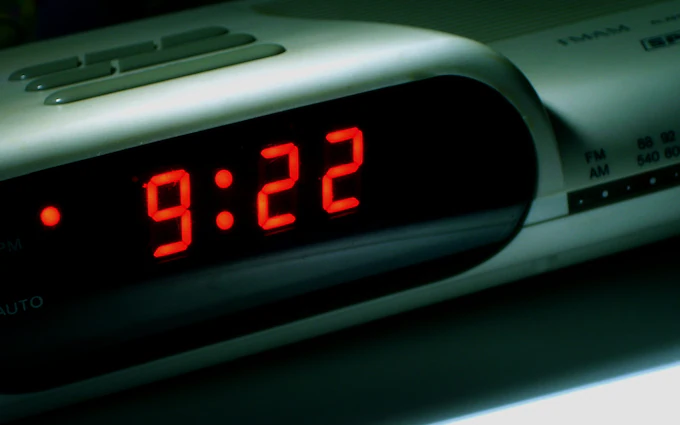
In recent weeks, some electronic devices have been displaying an unusual time delay of 6 minutes due to a peculiar energy consumption anomaly affecting the Serbia-Macedonia-Montenegro (SMM) block, particularly between Kosovo and Serbia.
Is this a joke? Or is it something more serious?
Understanding the Problem
You might not have noticed it yet, but some electronic devices, including clocks, radios, and timers, have been showing an incorrect time. This issue has affected the entire European continent, with some areas experiencing a delay of up to 6 minutes.
At first glance, this problem seems like a minor inconvenience. However, it’s essential to understand the root cause of the issue and its potential impact on our daily lives.
The Cause: A Dispute Over Energy Consumption
So, what’s behind this problem? The answer lies in a dispute between Serbia and Kosovo over energy consumption. In 1999, following the end of the war in Kosovo, northern Kosovo still relies on Serbian power, which it doesn’t pay for. This has created a significant imbalance in the energy distribution system.
To understand the extent of the issue, let’s dive deeper into the numbers. According to Entsoe, the European Network of Transmission Operators for Electricity, the SMM block is responsible for supplying energy to 25 countries across Europe. However, Kosovo consumes more energy than its share, resulting in a significant power shortage.
The Role of Entsoe
Entsoe has been working tirelessly to resolve this issue. As the organization responsible for connecting operators from 25 European countries, Entsoe has been monitoring the situation closely. According to Entsoe, the System Continental European Distribution of Electricity is a large, synchronized area that covers 25 countries and operates at a frequency of 50 Hz.
This synchronization allows for efficient energy distribution across Europe. However, the current dispute between Serbia and Kosovo has disrupted this process, leading to the time delay issue we’re experiencing today.
How Time Delays Affect Electronic Devices
So, how does this energy imbalance affect electronic devices? Well, most clocks and devices are automatically synced with the grid frequency of 50 Hz. However, if there’s an imbalance in the energy distribution, it can cause problems for these devices. If the frequency drops or rises, clocks may run slower or faster than usual.
This time delay issue has affected a wide range of electronic devices, from simple clocks to complex timing systems used in industries like finance and transportation. The impact of this disruption is significant, as many devices rely on accurate timekeeping to perform their functions correctly.
The Impact on European Energy
In February 2023, Entsoe reported that a significant power shortage had affected the entire European continent, with Kosovo consuming more energy than its share. This imbalance caused an 113 GWh (gigawatt-hour) loss in power supply across Europe. The main cause of this disruption was the dispute between Serbia and Kosovo.
The impact of this power shortage is far-reaching, affecting not only electronic devices but also critical infrastructure like hospitals, transportation systems, and energy grids themselves. In some cases, the power shortage has led to brownouts and even blackouts in certain areas.
The Solution: A New Approach
While the recent developments have resolved some issues, it’s still unclear who will compensate for the missing energy. However, Entsoe, along with the European Commission, is working on a long-term solution to prevent such disruptions in the future.
One potential solution involves the creation of a new energy market that would allow Kosovo and Serbia to trade energy more efficiently. This could help to balance the energy consumption between the two countries and reduce the risk of future power shortages.
Conclusion
In conclusion, the 6-minute time delay on electronic devices has been caused by an imbalance in the energy consumption of Kosovo and Serbia. While this issue has affected the entire continent, Entsoe has been working tirelessly to find a solution. As we wait for further developments, it’s essential to understand the complexity of the problem and its impact on our daily lives.
As we move forward, it’s crucial that governments, energy companies, and regulatory bodies work together to develop effective solutions to this complex issue. By doing so, we can ensure that electronic devices continue to function accurately, and that Europe’s critical infrastructure remains stable and reliable.
FAQs
- What is Entsoe?
Entsoe (European Network of Transmission Operators for Electricity) is an organization that connects operators from 25 European countries to ensure efficient energy distribution. - Why did Kosovo consume more energy than Serbia?
Kosovo consumed more energy than its share due to a dispute between the two countries over energy supply, which led to an imbalance in the energy distribution system. - How does the time delay affect electronic devices?
The time delay can cause problems for electronic devices that rely on the grid frequency of 50 Hz, such as clocks and radios. - Will the issue be resolved entirely?
Entsoe is working on a long-term solution to prevent future disruptions, but it’s unclear who will compensate for the missing energy. - What is the role of Entsoe in resolving the issue?
Entsoe has been monitoring the situation and working with the European Commission to find a sustainable solution to the problem. - How does the energy imbalance affect the entire continent?
The energy imbalance caused by Kosovo’s consumption has affected the entire European continent, leading to a significant power shortage. - Can I do anything about the time delay on my electronic devices?
For now, you can simply wait for further developments and keep an eye on your device’s accuracy. - Will this issue happen again in the future?
Entsoe is working on a long-term solution to prevent such disruptions from occurring again in the future.
Additional Reading:
- “The Science Behind Digital Timekeeping”
- “Understanding Energy Distribution Systems”
- “The Impact of Power Shortages on Critical Infrastructure”
By understanding the root cause of this issue and its impact, we can work towards finding a lasting solution that benefits not only electronic devices but also critical infrastructure like energy grids and transportation systems.


