
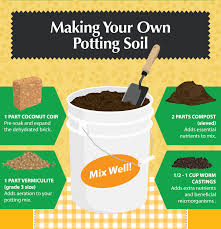
As a gardener, you’re likely familiar with the importance of using high-quality potting soil to support your plants’ growth and health. But did you know that you can create your own potting soil from scratch? With a few simple ingredients and some basic knowledge, you can craft a customized potting mix that meets the specific needs of your plants.
Understanding the Importance of Potting Soil
When it comes to container gardening, the soil in your pots is often different from what plants would find in nature. This is because confined spaces like balconies, terraces, and indoor areas have unique climatic and environmental conditions that can impact plant growth. For example, humidity levels may be higher indoors than outdoors, while light exposure may vary depending on the location of the pot.
To address these differences, many gardeners rely on commercial potting soils specifically designed for container gardening. However, some gardeners prefer to create their own potting soil using a combination of natural ingredients and materials. This approach can offer several benefits, including cost savings and customized nutrients tailored to specific plant species.
Gathering the Basic Ingredients
Before you start creating your own potting soil, it’s essential to gather the basic ingredients that will form the foundation of your mix. These typically include:
- Garden Soil: This is often the starting point for creating potting soil, as it provides a natural base that can be modified and refined.
- Sand: Sand adds structure and drainage to the mix, making it essential for preventing waterlogged soil.
- Humus: Humus helps retain moisture and nutrients in the soil, promoting healthy plant growth.
- Clay: Clay adds weight and stability to the mix, helping to prevent erosion and ensure even distribution of nutrients.
- Decomposed Organic Matter: This component adds nutrients and improves soil fertility, making it a crucial element of any potting soil.
Customizing Your Potting Soil Mix
Once you have your basic ingredients, you can start customizing your potting soil mix to meet the specific needs of your plants. For example:
- Acid-Loving Plants: If you’re growing acid-loving plants like heather or rhododendron, you may want to add more humus and less clay to create a softer, more acidic mix.
- Sowing and Planting Seedlings: For sowing and planting seedlings, you may prefer a softer mix with added peat moss and perlite for better drainage and aeration.
Additional Ingredients for Customization
In addition to the basic ingredients, there are several other components you can incorporate into your potting soil mix to further customize it for specific plant species. These include:
- Peat Moss: This helps retain moisture and create a softer mix.
- Baked Clay: Adds weight and stability to the mix while improving water retention.
- Leaf Mold: A natural, nutrient-rich ingredient that can be used alone or mixed with peat moss.
- Pine Needle Mulch: Suitable for acid-loving plants, but be sure to avoid those from certain tree species due to high resin content.
The Importance of pH Balance
When creating your own potting soil mix, it’s essential to consider the pH level. Most plant species prefer a neutral pH (around 7 on the scale of 0-14), but some acid-loving plants require a more acidic environment. By measuring the pH of your soil and adjusting it as needed, you can ensure that your plants receive the right balance of nutrients.
Common pH Balancing Methods
- Soil Test Kits: These kits are available in most gardening stores and allow you to measure the pH level of your soil.
- pH Testing Strips: These strips can be found in some gardening stores and provide a quick reading of the pH level.
- Distilled Water Method: This method involves mixing distilled water with your soil and then measuring its pH level.
Conclusion
Creating your own potting soil mix from scratch requires careful consideration of ingredients and customization options. By gathering basic ingredients like garden soil, sand, humus, clay, and decomposed organic matter, you can craft a customized mix tailored to specific plant species. With additional ingredients like peat moss, baked clay, leaf mold, pine needle mulch, and pH balancing, you can create a nutrient-rich potting soil that supports optimal growth and health.
Frequently Asked Questions (FAQs)
-
What are the benefits of creating my own potting soil mix?
Creating your own potting soil mix offers several benefits, including cost savings, customized nutrients tailored to specific plant species, and improved overall health.
2. How do I determine the pH level of my soil?You can use carton pH test strips, distilled water, and small containers available in pharmacies or specialized stores to measure the pH level of your soil.
3. What types of plants require more peat moss in their potting soil mix?Some plant species, such as acid-loving plants like heather or rhododendron, may require more peat moss in their potting soil mix.
4. Can I use bark (corteccia) in my potting soil mix?Yes, you can use bark to improve water absorption and air passage, but be sure to treat it first to remove resinous substances.
5. How do I ensure proper drainage in my potting soil mix?Adding sand or perlite helps prevent waterlogged soil while maintaining aeration and structure for healthy plant growth.
6. Can I make compost myself?Yes, you can make compost using household composting methods on your patio, which adds nutrients and improves soil fertility for your plants.
7. What are the benefits of adding perlite or vermiculite to my potting soil mix?Perlite and vermiculite help create a softer, more permeable mix that promotes healthy root development and aeration.
8. How often should I repot my plants using homemade potting soil?The frequency of repotting will depend on the specific needs of your plant species and growth rate.
By following these guidelines and considering individual plant needs when creating your own potting soil mix, you can craft a customized blend that optimizes plant health and growth.


