
Introduction
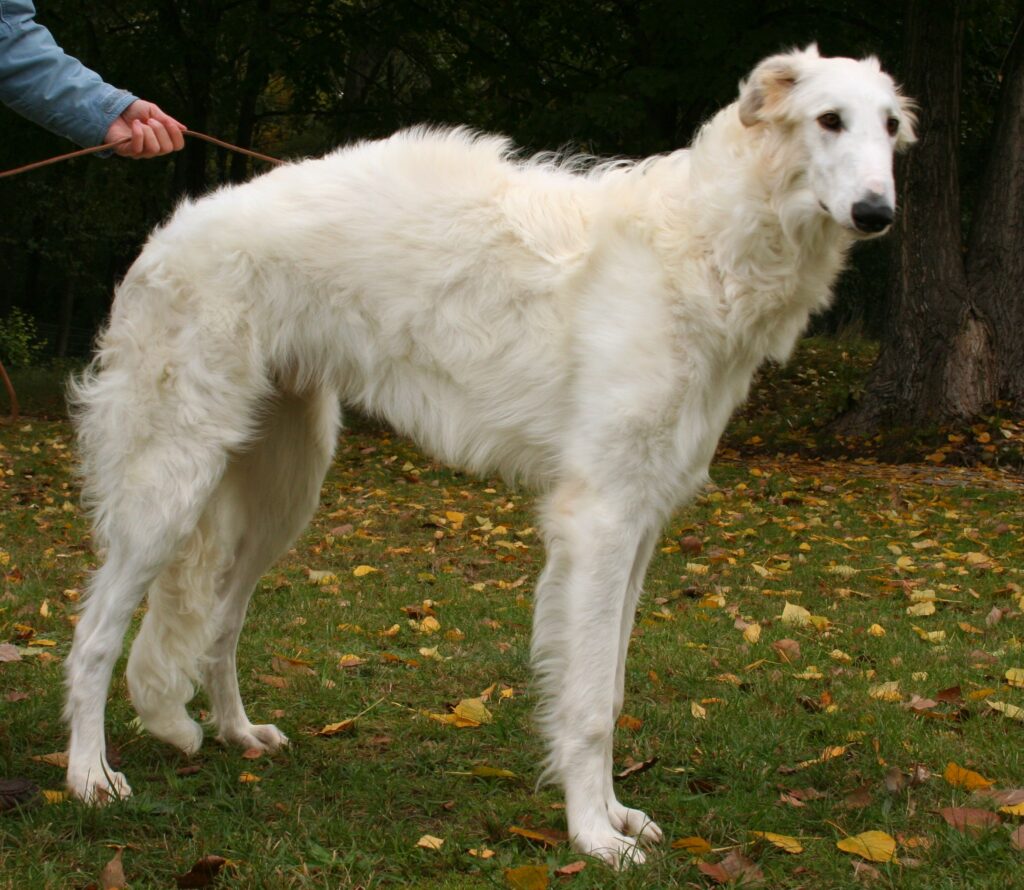
If you’re a fan of large, majestic dogs with beautiful coats, you’ll love the Russian Wolfhound, also known as the Barzoi. Hailing from Russia, this breed is part of the hound group and boasts an impressive build, long coat, and striking features. The Russian Wolfhound has been prized for centuries for its beauty, loyalty, and hunting prowess, making it a popular choice among dog enthusiasts.
Characteristics
A male Russian Wolfhound typically measures between 70 cm and 82 cm (28-32 inches) in height, with a female slightly shorter at around 75 cm (30 inches). The weight ranges from 35 kg to 45 kg (77-99 lbs). Their body is rectangular, long, and curved, with a flat chest and a retracted belly. The legs are long, lean, and muscular, allowing for powerful strides.
The Barzoi’s head is distinctive, with a long, narrow muzzle, thin lips, and a black nose. Ears are small but erect, while the eyes are almond-shaped and dark in color. Their coat is renowned for its length, thickness, and luster, with colors ranging from white to gold-silver or orange.
In addition to their physical attributes, Russian Wolfhounds possess a unique temperament that sets them apart from other breeds. They are known for their calm demeanor, making them a rare find among dogs. They possess exceptional self-control and are rarely stressed or anxious. Their adaptability to various climates means they thrive in diverse environments.
Origins
The Russian Wolfhound’s origins date back thousands of years to ancient Ethiopia and Egypt, where they served as companions to pharaohs. From there, the breed spread across Russia, becoming an integral part of the country’s history.
In Europe, the first Russian Wolfhounds arrived in the 19th century, while the modern breed standard was established in 1923. The name “Barzoi” was later added, and by the 1960s, it had become synonymous with this majestic breed.
Historical Significance
The Russian Wolfhound has played a significant role in Russian history and culture. They were often depicted in art and literature as symbols of strength and loyalty. In ancient times, they were used for hunting and guarding, while in modern times, they have been used as companions and show dogs.
Modern-Day Breeding
Today, breeding programs aim to preserve the breed’s integrity while promoting health and genetic diversity. Responsible breeding practices focus on selecting dogs with excellent conformation, temperament, and health clearances.
The FCI recognizes nine breeding establishments in Italy, with two located in Lombardy and three in Piedmont. These reputable breeders prioritize the welfare of their dogs and strive to produce high-quality puppies that meet the breed standard.
Rarity and Availability
While not widely recognized outside Russia, the Barzoi has a dedicated following among enthusiasts. Due to its rarity, it can be challenging to find a reputable breeder or purchase a puppy from an established establishment.
For potential owners seeking to acquire a Russian Wolfhound or Barzoi, it’s recommended to consult reputable breeders listed on the ENCI website. Be cautious of scams and ensure that you research the breeder thoroughly before making a decision.
Grooming and Health
Regular grooming is essential to prevent matting and tangling of their magnificent coat. A Russian Wolfhound requires regular brushing, with a focus on maintaining the length and texture of their fur.
In addition to grooming, it’s crucial to address health concerns that can affect the breed. Russian Wolfhounds are prone to certain health issues, such as hip dysplasia and eye problems. Regular veterinary check-ups and genetic testing can help identify potential issues early on.
Training and Socialization
Russian Wolfhounds are intelligent dogs that respond well to training and socialization. Early socialization is essential to help them become confident and calm in new environments.
Positive reinforcement training methods emphasize reward-based training, focusing on building trust and communication between dog and handler. Consistency and patience are key when training a Russian Wolfhound, as they can be stubborn at times.
FAQs
- Q: What is the average lifespan of a Russian Wolfhound?
A: 10-12 years - Q: How often should I groom my Russian Wolfhound?
A: Every 4-6 weeks, or as needed to prevent matting and tangling. - Q: Are Russian Wolfhounds suitable for families with young children?
A: Yes, but with proper supervision and training. - Q: Can Russian Wolfhounds be trained for other purposes besides guarding?
A: While their instinctual nature makes them excellent guard dogs, they can also excel in agility, obedience, or hunting competitions. - Q: Are Russian Wolfhounds generally healthy?
A: While they are prone to certain health issues, responsible breeding and regular care can minimize the risk. - Q: Can I own a Russian Wolfhound if I live in an apartment?
A: Yes, but they require regular exercise and attention to prevent boredom and stress. - Q: What is the typical price range for a purebred Russian Wolfhound or Barzoi?
A: €2,000-€5,000 (approximately $2,200-$5,500 USD) - Q: Can I get a puppy from a reputable breeder?
A: Yes, but ensure you research and select a responsible breeder who prioritizes health, temperament, and genetic diversity.
Conclusion
The Russian Wolfhound or Barzoi is an extraordinary breed that embodies elegance, strength, and beauty. Their distinctive appearance, loyal nature, and adaptability make them an ideal companion for those seeking a majestic canine partner. With proper care, attention, and training, a Russian Wolfhound can thrive in various environments, providing companionship, protection, and joy to their owners.
If you’re considering bringing a Russian Wolfhound into your life, be prepared to invest time, effort, and resources into their care and well-being. The reward will be a lifelong companion that brings love, loyalty, and excitement to your family.


