
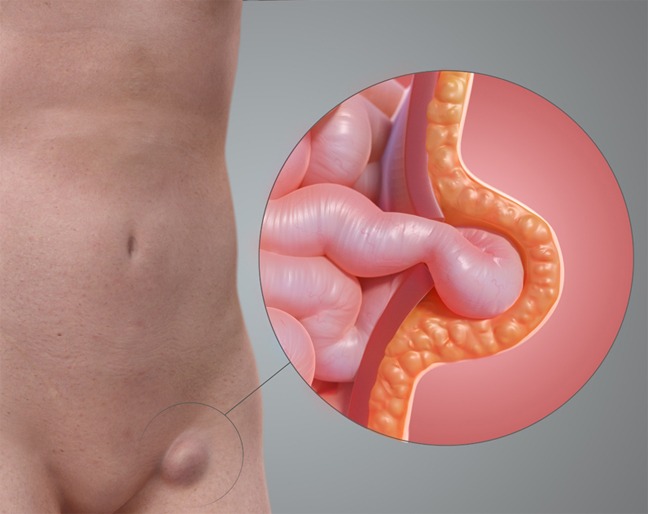
A hernia is a common condition where the contents of the abdomen protrude through a weak spot in the muscle wall. This article will delve into the world of hernias, exploring their causes, symptoms, treatment options, and prevention strategies.
What are Hernias?
Hernias occur when the tissue that holds an organ in place weakens or tears, allowing the organ to bulge out through a gap. There are several types of hernias, but we’ll focus on the crural hernia, also known as inguinal hernia.
Types of Crural Hernias
Crural hernias can be classified into four main categories:
- Reducible Hernia: This type of hernia can be pushed back into the abdomen with minimal discomfort.
- Irreducible Hernia: This type of hernia cannot be pushed back into the abdomen and may cause discomfort or pain.
- Ostricated Hernia: This type of hernia blocks the intestine, causing nausea, vomiting, and severe abdominal pain.
- Strangulated Hernia: This is a life-threatening condition where the intestine becomes cut off from blood supply, leading to tissue death and potential cancer.
Causes and Risk Factors
While the exact cause of hernias is often unknown, several factors can increase your risk:
- Surgery or Trauma: Previous abdominal surgery or traumatic injuries.
- Obesity: Excess weight puts additional strain on the abdominal muscles.
- Physical Activity: Heavy lifting, bending, or straining during physical activity.
- Constipation: Prolonged constipation can lead to increased pressure in the abdomen.
Symptoms of Crural Hernias
Some people may not experience any symptoms at all, while others may notice:
- A lump or bulge near the groin area
- Discomfort or pain when standing or walking
- Nausea and vomiting if the intestine becomes blocked
- Severe abdominal pain, which can be life-threatening
Diagnosis
A diagnosis of a crural hernia is typically made through:
- Physical Examination: A doctor will examine your abdomen and groin area for any signs of a bulge or lump.
- Imaging Tests: X-rays, CT scans, or MRI scans may be ordered to confirm the presence of a hernia.
Treatment Options
Treatment options vary depending on the type and severity of the hernia:
- Surgery: Surgery is often necessary to repair the hernia and prevent complications.
- Observation: In some cases, hernias may not require treatment if they are small and asymptomatic.
- Laparoscopic Repair: This minimally invasive surgical technique involves making several small incisions to repair the hernia.
Surgical Options
There are several surgical options available for treating crural hernias:
- Open Repair: This traditional surgical method involves a large incision in the abdomen.
- Laparoscopic Repair: This minimally invasive technique involves making several small incisions to repair the hernia.
- Robotic Surgery: This advanced surgical method uses a robotic system to perform laparoscopic repair.
Non-Surgical Treatment
While surgery is often necessary, some people may be able to manage their symptoms without surgical intervention:
- Lifestyle Changes: Making lifestyle changes such as losing weight, exercising regularly, and eating a balanced diet can help alleviate symptoms.
- Pain Management: Over-the-counter pain relievers or prescription medications can help manage discomfort.
Prevention Strategies
To reduce your risk of developing a crural hernia, try these prevention strategies:
- Exercise Regularly: Engage in regular physical activity to maintain strong abdominal muscles.
- Maintain a Healthy Weight: Avoid excessive weight gain or loss to reduce pressure on the abdomen.
- Eat a Balanced Diet: Consume a diet rich in fiber and fruits to promote digestive health.
Consult a healthcare professional if you experience any symptoms or concerns about hernias.
Conclusion
Hernias are a common condition that can be caused by various factors. Understanding the causes, symptoms, and treatment options can help individuals take steps to prevent and manage their condition. By making lifestyle changes and seeking medical attention when necessary, individuals can reduce their risk of developing a crural hernia and alleviate symptoms.
Frequently Asked Questions
- What is a crural hernia?
- A crural hernia is also known as an inguinal hernia.
- Can you prevent crural hernias?
- Yes, regular exercise, maintaining a healthy weight, and eating a balanced diet can help reduce the risk of developing a crural hernia.
- How do doctors diagnose crural hernias?
- Doctors use physical examination and imaging tests such as X-rays, CT scans, or MRI scans to confirm the presence of a hernia.
Consult a healthcare professional if you experience any symptoms or concerns about hernias.


