
Dealing with Sore Throats: Natural Remedies for Inflammation
A sore throat is a common affliction during the winter months, characterized by burning, dryness, difficulty swallowing or speaking. Known in medical circles as pharyngitis, this condition is an inflammation of the oropharynx and is often accompanied by a cold or flu.
Understanding Gola Infiammata
Gola infiammata, or inflamed throat, can be treated effectively through simple natural remedies without relying on antibiotics. Here are some effective ways to alleviate discomfort:
Hydration: The Key to Relief
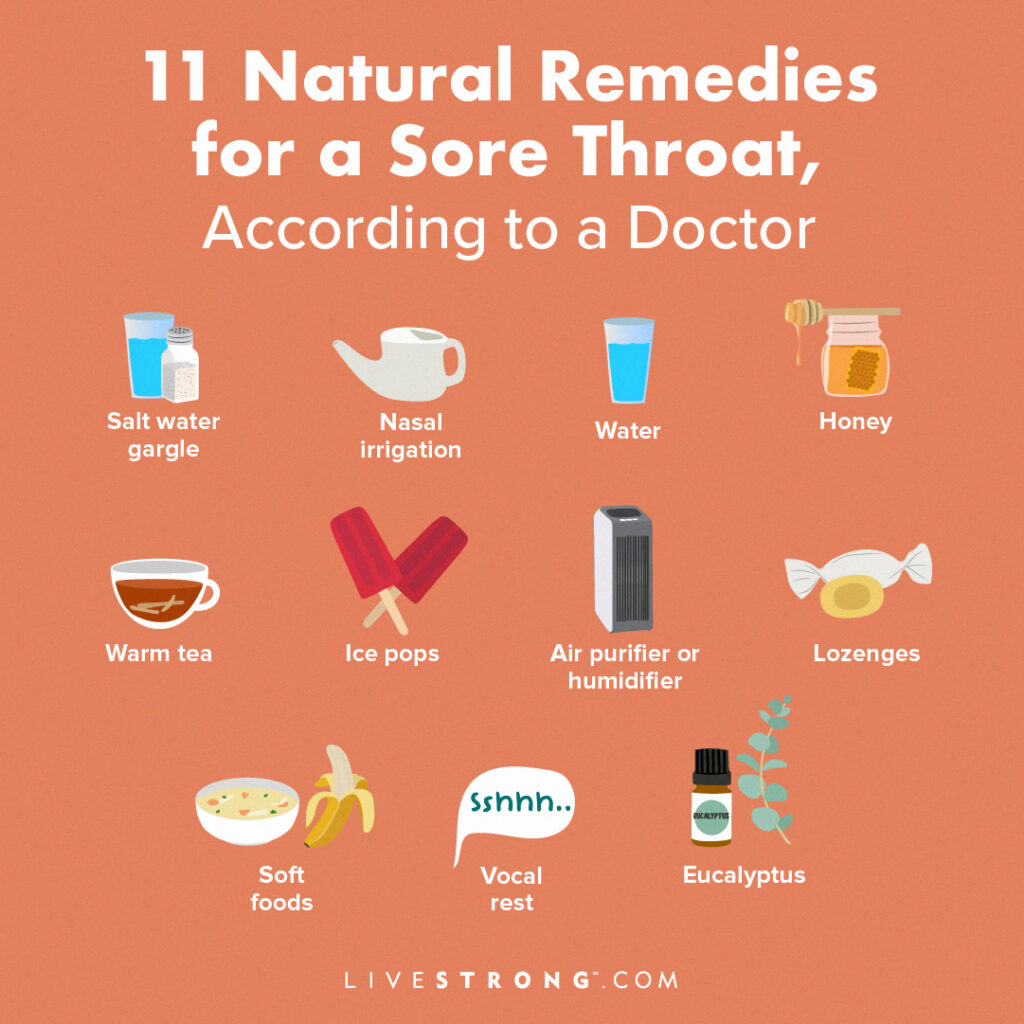
Drinking more than usual is essential to maintain moisture in the throat. Using room-temperature water helps soothe the inflammation and reduces pain. In addition, sucking on cough drops or hard candies can stimulate saliva production.
Why Hydration Matters?
When the body is dehydrated, the mucous membranes become dry and inflamed, leading to increased sensitivity. Drinking enough water ensures that these tissues stay moist, reducing discomfort and pain.
Avoiding Smoking
Smoking exacerbates throat inflammation by damaging the respiratory tract lining, making it harder for the body to fight off infections. By avoiding tobacco products, you give your body a better chance of recovering from gola infiammata.
Why is Cessation Important?
Nicotine and other chemicals found in tobacco can weaken the immune system, prolonging recovery time and increasing the risk of complications.
Meal Timing: A Guide to Comfortable Recovery
Eating at least two hours before bedtime prevents stomach acid from flowing back up into the esophagus, which can irritate the throat. By avoiding late-night meals, you minimize irritation and discomfort.
Why Meal Timing Matters?
Digestion slows down, reducing inflammation, and allowing the body to focus on healing rather than processing food. This helps prevent further irritation of the throat tissues.
Rest and Relaxation: Your Body’s Natural Healing Process
Getting plenty of rest allows your immune system to fight off infections more effectively. Adequate sleep ensures that your body can repair damaged tissues and recover from illness.
Why Rest is Essential?
During rest, your body is able to produce cytokines, signaling proteins that help combat inflammation and infection. Without sufficient sleep, the healing process is slowed down.
Gola Infiammata: Natural Remedies
In addition to hydration, avoiding smoking, and meal timing, there are several natural remedies that can alleviate gola infiammata:
Tisana all’Aglio (Garlic Tea)
This antibacterial tea made from garlic can help combat infections causing inflammation.
Ingredients
- 3-4 cloves of garlic
- 500 ml of water
Preparation
- Crush the garlic.
- Boil the water and add crushed garlic.
- Let it simmer for 5 minutes.
- Strain and drink.
Tisana all’Echinacea (Echinacea Tea)
This tea, made from echinacea flowers, stimulates the immune system to fight off infections.
Ingredients
- 500 ml of water
- 10 grams of dried echinacea flowers
- A tablespoon of honey (optional)
Preparation
- Boil the water and add echinacea flowers.
- Simmer for 7 minutes.
- Strain and drink.
Tisana allo Zenzero (Ginger Tea)
This tea, made from fresh ginger roots, has anti-inflammatory properties that can help alleviate gola infiammata.
Ingredients
- 250 ml of water
- 15 grams of freshly grated ginger root
Preparation
- Boil the water and add grated ginger.
- Let it simmer for 5 minutes.
- Strain and drink.
Tisana alla Cipolla (Onion Tea)
This tea, made from onions, contains antiossidants that can help alleviate inflammation in the throat.
Ingredients
- 500 ml of water
- 1 onion
Preparation
- Slice the onion.
- Boil the water and add sliced onion.
- Let it simmer for 7 minutes.
- Strain and drink.
When to Seek Medical Attention
If these natural remedies do not alleviate discomfort, seek medical attention for further treatment.
Conclusion:
Dealing with gola infiammata requires a combination of self-care measures, including hydration, avoiding smoking, meal timing, rest, and natural remedies. By incorporating these strategies into your daily routine, you can help alleviate discomfort and promote healing.
Frequently Asked Questions
Q: Can I drink too much water?
A: Drinking excessive amounts of water may lead to hyponatremia, a condition where the body’s sodium levels become diluted.
Q: How often should I drink garlic tea?
A: Drink garlic tea 2-3 times a day, but consult with a healthcare professional before using it as a treatment for gola infiammata.
Q: Can echinacea be used to treat all infections?
A: Echinacea is primarily effective against viral and bacterial infections. Consult with a healthcare professional before taking it as a treatment for other types of illnesses.
Q: How long does ginger tea take to work?
A: The anti-inflammatory properties of ginger tea can start working within 30 minutes, but the effects may be more pronounced after several hours or days of regular consumption.
Q: Can onion tea cause any side effects?
A: Onions contain fructans, which can cause digestive issues in some individuals. However, onion tea is generally considered safe and beneficial for most people.
Q: How long should I rest if I have gola infiammata?
A: Aim for 8-10 hours of sleep each night to help your body recover from illness.
Advanced Gola Infiammata Treatment Options
In addition to the natural remedies mentioned above, there are several advanced treatment options that can be considered:
Prescription Medications
Prescription medications such as antihistamines and decongestants can help alleviate symptoms of gola infiammata. These medications work by reducing inflammation and congestion in the throat.
Injections
Injecting corticosteroids or other anti-inflammatory medications into the affected area can help reduce swelling and pain.
Acupuncture
Acupuncture involves inserting thin needles into specific points on the body to stimulate healing and reduce pain. This ancient practice has been shown to be effective in reducing inflammation and promoting recovery from gola infiammata.
Hyperbaric Oxygen Therapy
Hyperbaric oxygen therapy involves breathing pure oxygen in a pressurized chamber. This treatment can help reduce inflammation and promote healing by increasing oxygen levels in the body.
When to Seek Medical Attention
If you experience any of the following symptoms, seek medical attention immediately:
- High fever (over 102°F)
- Difficulty swallowing or speaking
- Severe pain or discomfort
- Swollen lymph nodes
- Shortness of breath
By understanding gola infiammata and incorporating natural remedies into your daily routine, you can help alleviate discomfort and promote healing. If symptoms persist or worsen, seek medical attention for further treatment.


