
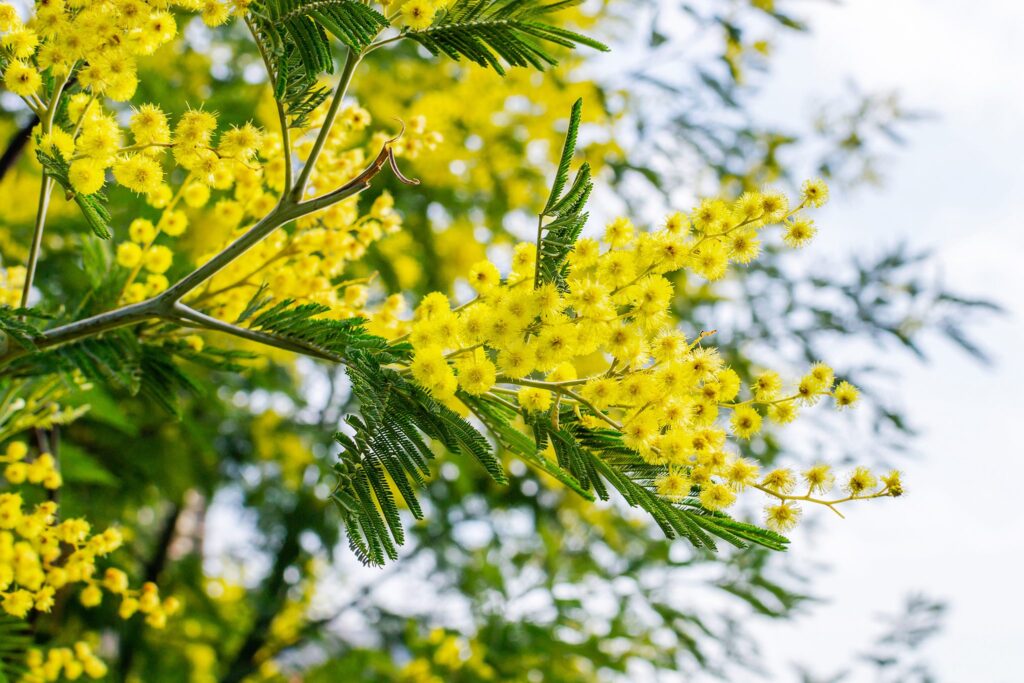
Mimosa, also known as Acacia dealbata, is a stunning plant that produces beautiful yellow flowers with a pleasant fragrance. Its attractive foliage and vibrant blooms make it an excellent addition to any garden or indoor space. However, mimosa requires specific care and attention to thrive.
Understanding the Needs of Mimosa
Mimosa is a Mediterranean native that can tolerate a range of temperatures and soil conditions. It’s essential to understand its needs to provide optimal care and ensure healthy growth. Here are some key factors to consider:
- Temperature: Mimosa prefers warm temperatures between 15°C to 25°C (59°F to 77°F). Avoid exposing it to extreme temperatures, especially below 5°C (41°F) or above 35°C (95°F).
- Soil: Mimosa thrives in well-draining soil with a pH range of 6.0 to 7.0. Avoid planting it in waterlogged areas, as this can lead to root rot.
- Watering: Mimosa requires regular watering, but avoid overwatering, which can cause root decay and other problems.
Why Choose Mimosa?
Mimosa is an ideal choice for gardens in moderate climates, such as the Mediterranean region, as it can grow up to 8-15 meters tall. Its wide canopy and divided shape make it a beautiful feature in any garden. With proper care, mimosa can provide stunning flowers and foliage for years to come.
Choosing the Right Location
When growing mimosa, it’s essential to select a location with full sun to partial shade. This will allow the plant to receive sufficient light and warmth, promoting healthy growth and blooming. Avoid planting it in areas with standing water or where water tends to collect.
Preparing the Soil
Before planting mimosa, it’s crucial to prepare the soil by working it deeply to create a fresh and soft surface. Mimosa prefers acidic, well-drained soil that is rich in organic matter. Add compost or manure to improve soil fertility and drainage.
Tips for Trimming and Pruning
Trimming and pruning are essential techniques for maintaining the health and appearance of your mimosa plant. Here are some tips:
- Prune your mimosa during the fall season, removing dead branches and promoting healthy growth.
- Use clean tools to prevent spreading diseases like fire blight.
- Make cuts at a 45-degree angle, about one-third of the way through the branch.
Growing Mimosa: A Step-by-Step Guide
To grow a healthy and thriving mimosa, follow these steps:
- Planting: Plant mimosa in the spring or fall, avoiding extreme temperatures.
- Soil Preparation: Prepare the soil by working it deeply to create a fresh and soft surface.
- Watering: Water your mimosa regularly, providing enough moisture for optimal growth.
- Fertilization: Fertilize your mimosa with organic matter like compost or manure.
- Pruning: Prune your mimosa during the fall season, removing dead branches and promoting healthy growth.
Common Mistakes to Avoid
Avoid common mistakes that can harm your mimosa plant:
- Planting in extreme temperatures
- Overwatering or underwatering
- Failing to prune or trim regularly
Conclusion
Growing mimosa requires attention to its specific needs and care. By following the steps outlined above, you’ll be well on your way to growing a healthy and thriving mimosa plant. Remember to avoid common mistakes that can harm your plant.
Frequently Asked Questions (FAQs)
Q: Can I grow mimosa in containers?
A: Yes, but make sure the container is large enough to accommodate the plant’s root system and provide sufficient drainage.
Q: How often should I water my mimosa?
A: Water your mimosa regularly, providing enough moisture for optimal growth. However, avoid overwatering or underwatering.
Q: Can I prune my mimosa at any time of year?
A: No, prune your mimosa during the fall season to promote healthy growth and prevent disease.
Q: What is the best fertilizer for my mimosa?
A: Use organic matter like compost or manure as a natural fertilizer for your mimosa.
Q: How often should I fertilize my mimosa?
A: Fertilize your mimosa regularly, ideally during the spring and fall seasons when it’s actively growing.
Q: Can I grow mimosa in shady conditions?
A: While mimosa prefers full sun to partial shade, it can tolerate some shade. However, this may reduce its flowering and foliage production.
Q: How tall will my mimosa plant grow?
A: Mimosa can grow up to 8-15 meters tall, making it an excellent choice for gardeners with ample space.
Q: Can I propagate my mimosa by cuttings?
A: Yes, you can propagate your mimosa using stem cuttings. However, this method may not be as successful as planting a new seedling or seedling from a nursery.
Q: How often should I repot my mimosa?
A: Repot your mimosa every 2-3 years to refresh the soil and provide a larger pot if necessary.
Q: Can I grow mimosa in indoor conditions?
A: Yes, but make sure it receives sufficient light and warmth. Mimosa prefers well-draining soil and can tolerate some shade indoors.
Additional Tips for Growing Mimosa
- Mulch around the base of your mimosa plant to retain moisture and suppress weeds.
- Use a trellis or stake to support the plant’s growth, especially if it’s growing in an area with strong winds.
- Monitor your mimosa regularly for signs of pests or diseases, such as aphids, spider mites, or root rot.
Conclusion
Growing mimosa is a rewarding experience that requires attention to its specific needs and care. By following the steps outlined above, you’ll be well on your way to growing a healthy and thriving mimosa plant. Remember to avoid common mistakes that can harm your plant and enjoy the beauty of this stunning plant for years to come.


