
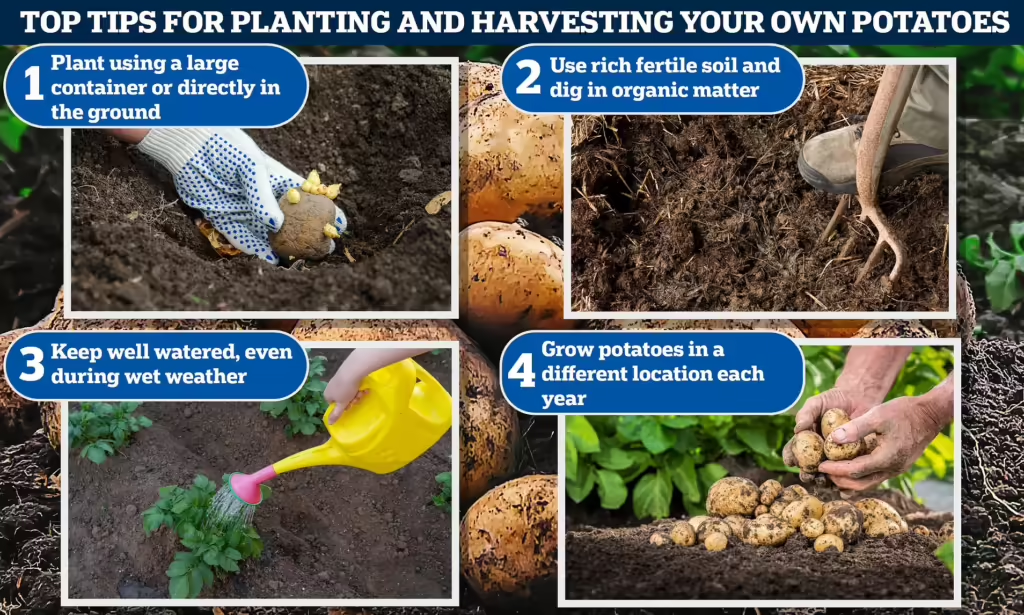
Are you interested in growing your own potatoes? Look no further! In this comprehensive article, we’ll cover the best practices for cultivating potatoes, from preparing the soil to harvesting the crop. Whether you’re a seasoned gardener or just starting out, this guide will provide you with the knowledge and expertise needed to grow delicious, healthy potatoes.
When to Plant Potatoes
The ideal time to start planting potatoes is at the end of winter and into early spring. This allows the plants to mature during the growing season, ensuring a bountiful harvest. In temperate climates, it’s best to plant potatoes in late February or early March, when the soil has warmed up and the risk of frost has passed.
Why Growing Potatoes is Easy
Growing potatoes may seem intimidating, but with our expert advice, you’ll be enjoying delicious homegrown spuds in no time! Here are just a few reasons why growing potatoes is an excellent choice for beginners:
- Easy to Grow: Potatoes are one of the easiest vegetables to grow, requiring minimal care and maintenance.
- Fast Results: You can harvest your first crop of potatoes in as little as 7-10 weeks, making it an ideal choice for impatient gardeners.
- High Yield: With proper care, potatoes can produce a high yield, ensuring you have plenty of delicious spuds to enjoy.
Preparing for Potato Planting
Before planting, it’s essential to prepare the soil. Here are a few tips to get you started:
- Test Your Soil pH Levels: Potatoes prefer a slightly acidic to neutral soil pH, ranging from 4.5 to 7.0.
- Add Organic Matter: Incorporate compost or manure into your soil to improve its fertility and structure.
- Till the Soil: Loosen the top 8-10 inches of soil using a fork or spade to aerate it and prepare it for planting.
Planting Potatoes
Planting potatoes involves burying small “eyes” (the buds from which new plants will grow) in the ground. Here’s how:
- Choose Healthy Tubers: Select potatoes that are high in starch, as they’ll yield a better crop.
- Cut the Tubers: If the tubers are too large, cut them into smaller pieces to encourage more shoots to develop.
- Treat with Cytokinin: Apply a cytokinin solution (or cinnamon powder) to the cut ends of the tubers to stimulate growth.
Optimizing Potato Planting
To ensure your potato plants grow well, follow these guidelines:
- Provide Adequate Light and Water: Potatoes need at least 6 hours of direct sunlight per day. Water them regularly, but avoid overwatering.
- Maintain Optimal Temperature: Keep the soil between 40°F and 70°F (4°C and 21°C) for optimal growth.
- Control Pests and Diseases: Regularly inspect your plants for signs of pests or diseases, such as aphids, slugs, or fungal infections.
Harvesting Potatoes
The time to harvest potatoes varies depending on the specific variety. In general:
- Check for Maturity: Dig up a few tubers to check their size and color. If they’re not yet mature, wait another week or two.
- Dig Carefully: Use a fork to carefully loosen the soil around the plants, then gently lift out the tubers.
Tips for Growing Potatoes
Here are some additional tips to help you grow delicious potatoes:
- Grow in Containers: If you don’t have enough space outdoors, consider growing potatoes in containers. Just be sure to choose a large enough pot and add plenty of organic matter.
- Rotate Your Crop: To avoid depleting the soil of nutrients, rotate your potato crop every 2-3 years.
Common Mistakes to Avoid
Here are some common mistakes to watch out for when growing potatoes:
- Overwatering: Make sure not to overwater, as this can lead to rot and other problems.
- Poor Soil Quality: Regularly test your soil pH levels and adjust as necessary.
- Inadequate Sunlight: Potatoes need at least 6 hours of direct sunlight per day.
Pest Control and Management
Potatoes are susceptible to a variety of pests, including:
- Aphids: Small, soft-bodied insects that feed on plant sap.
- Slugs and Snails: Slender, slimy creatures that can cause significant damage to potato plants.
- Fungal Infections: Fungi that can infect potato tubers and cause rot.
To manage these pests effectively:
- Use Physical Barriers: Cover your plants with fine mesh or row covers to prevent insects from reaching them.
- Apply Organic Pesticides: Use natural pesticides, such as neem oil or diatomaceous earth, to control pest populations.
- Maintain Good Hygiene: Regularly inspect your plants and remove any infected or damaged tubers.
Conclusion
Growing potatoes is a rewarding and delicious experience. By following these expert tips, you’ll be enjoying fresh, homegrown spuds in no time!
Frequently Asked Questions
Here are some answers to common questions about growing potatoes:
- How long does it take for potatoes to mature?
- The time to harvest potatoes varies depending on the specific variety.
- Can I grow potatoes in containers?
- Yes, you can grow potatoes in containers as long as they’re large enough and have good drainage.
- What is the best way to store potatoes after harvesting?
- Store potatoes in a cool, dark place with good ventilation to keep them fresh for longer.
I hope this article has been helpful in answering your questions about growing potatoes!


